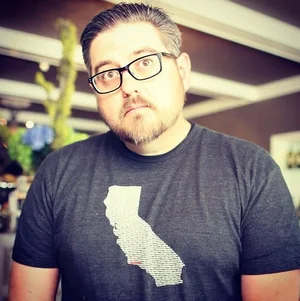
🍇🙏 Episode 43 — Louis Lucas: A Beautiful Life, Hard Truths, and the Future of Wine Country Saarloos and sons – Chopping it up – With Keith Saarloos

Chopping It Up with Keith Saarloos · Released April 18, 2026 · Santa Ynez Valley, California
About this conversation
Louis Lucas (Pt. 2) | Farming Wisdom, Industry Reality, and Why It Was All Worth It
Some people build something.
Some people survive something.
And every once in a while, someone looks back on a lifetime of both… and says they wouldn’t change a thing.
This episode is about perspective.
Part 2 with Louis Lucas goes deeper — into the realities of farming, the changing economics of wine, the beauty of the work, and the mindset it takes to stay in the game for over 60 years.
This is less about how it started.
And more about what it all means.
And what comes next.
• 🍇 “It’s Not What You Have, It’s What You Are”
Louis reflects on a lifetime in wine, travel, people, and experience — and why fulfillment has nothing to do with what’s in the bank.
• ⚖️ The Hard Truth About Farming Today
From $1,000 an acre to $10,000 an acre to farm… rising costs, overregulation, and why many farmers are stepping away from the business.
• 🌱 Why Agriculture Is Changing
Leasing, consolidation, and the shift away from small, hands-on farming — and what that means for the future of the Santa Ynez Valley.
• 🧠 A Lifetime of Knowledge in the Vineyard
What Louis sees when he looks at a vine — structure, color, balance — and why great farming is both science and art.
• 🍷 Wine Is Not a Beverage
A powerful idea: wine is not manufactured — it is site-specific, year-specific, and even hillside-specific.
• 🌍 The Importance of Place and Timing
From leaving California for Notre Dame to traveling Europe, Louis explains how exposure shapes perspective — and ultimately success.
• 🔁 Would He Do It All Again?
After bankruptcies, risk, sacrifice, and decades of uncertainty… Louis’s answer is simple:
He wouldn’t change a thing.
• 👨🌾 The Life of a True Farmer
Sleeping in trucks during frost. Fighting every season. Living year-to-year. And still showing up.
• ❤️ Family, Legacy, and the People Around You
From longtime vineyard workers to his daughters, Louis reflects on the people who made the journey meaningful.
• 🙏 Final Words
“God bless everybody.”
This conversation is about wine.
But it’s really about a life.
A life of risk.
Of failure.
Of persistence.
Of joy.
It’s about waking up early.
Working with your hands.
Building something that outlives you.
And understanding that even when it’s hard —
especially when it’s hard —
it might still be exactly the life you were meant to live.
If Episode 42 is the blueprint…
this is the reflection.
And maybe the most powerful takeaway of all:
You can lose money.
You can lose sleep.
You can lose years.
But if you love what you do…
you might just gain a life you wouldn’t trade for anything.
Part 2 of a 2-part conversation.
And if you listen closely —
this one might change how you look at your own path.
From Keith’s original Valley archive
The following material is preserved from the original episode post. Existing transcript text is an archive copy and may contain transcription errors.
Episode 43 PART 2 OF 2 With: Louis Lucas, Santa Barbara County Wine, Lucas & Lewellen, and the Foundation of an Entire Industry
In Episode 43 of Chopping It Up with Keith Saarloos, Keith sits down with Louis Lucas, one of the true pioneers of Santa Barbara County wine and one of the most important grape growers in California’s Central Coast history.
Long before Santa Barbara wine country became a destination, before the tasting rooms, before the weekend crowds, and before the Santa Ynez Valley was known around the world for wine, there were only about 80 acres of wine grapes in Santa Barbara County.
Then Louis Lucas helped plant 800.
This episode is the origin story of Santa Barbara County wine as told by one of the people who helped build it from the ground up. Louis talks about growing up in Delano, California, learning agriculture from his Croatian farming family, attending Notre Dame, returning to farming, planting vineyards in Santa Maria, Paso Robles, Edna Valley, Los Alamos, and the Santa Ynez Valley, and helping shape the future of grape growing on the Central Coast.
Keith and Louis discuss the vineyard that helped launch Kendall-Jackson Chardonnay, the early days of Tepusquet Vineyards, working with legendary winemakers, studying Old World vineyards in Europe, canopy management, co-fermentation, hand harvesting, vineyard economics, imported bulk wine, and why Santa Barbara County can grow Burgundy, Rhône, Italian, and Bordeaux varieties within a short drive.
This is not just a wine episode.
It is a conversation about farming, risk, vision, grit, legacy, and the people who built the foundation for an entire region.
Listen to Episode 43:
https://open.spotify.com/episode/6C3QuKppu9CQJ8QQqj4VPh
-
Summery
n Episode 43 of Chopping It Up with Keith Saarloos, Keith sits down with Louis Lucas, one of the most important figures in the history of Santa Barbara County wine, California Central Coast viticulture, and the development of modern grape growing in the Santa Ynez Valley, Santa Maria Valley, Los Alamos, Paso Robles, and Edna Valley.
Louis Lucas is widely known as a pioneering grape grower, vineyard developer, consultant, and co-founder of Lucas & Lewellen Vineyards. His influence on Santa Barbara County wine is difficult to overstate. Before Santa Barbara County was recognized as one of the most dynamic wine regions in the world, before the tasting rooms, before the fame of the Santa Maria Valley, before the explosion of vineyards in Los Alamos and the Santa Ynez Valley, there were only about 80 acres of wine grapes in the county.
Louis Lucas helped change that.
Lucas & Lewellen Vineyards:
Louis Lucas biography:
Santa Barbara Independent profile on Louis Lucas:
https://www.independent.com/2013/10/30/liquid-legacy-louis-lucas/
In the episode, Louis explains that when he and his family began planting vineyards in Santa Maria in 1970, Santa Barbara County had only a small wine grape footprint. He and his team planted roughly 800 acres, an expansion that helped define the future of the region. That early work placed Louis among the first major commercial wine grape growers in Santa Barbara County and San Luis Obispo County.
Keith begins the conversation by acknowledging what every serious Santa Barbara County farmer and winemaker understands: today’s wine industry stands on the shoulders of people who took risks before the region had momentum. Louis Lucas is one of those people.
Louis talks about the vineyard land between Los Olivos and Los Alamos, the Santa Maria vineyards, Tepusquet Vineyards, Paso Robles plantings, Edna Valley work, and the long arc of grape growing across the Central Coast. He also explains that one of the vineyards he farmed became deeply connected to the early success of Kendall-Jackson.
Kendall-Jackson became one of the most recognizable names in American wine, and Louis explains in the episode that the first bottles of Kendall-Jackson Chardonnay came from grapes grown from his vineyard work in Santa Maria. That connection places Santa Barbara County fruit directly inside one of the most important commercial wine stories in modern American wine history.
Kendall-Jackson:
Wine & Spirits remembrance of Jess Jackson and Tepusquet Vineyards:
https://www.wineandspiritsmagazine.com/news/jess-jackson-a-remembrance
Washington Post archive mentioning Louis Lucas and Tepusquet Vineyards:
The conversation then turns to Louis’s early life. He grew up in Delano, California, in a Croatian farming family. His father learned to grow grapes through hard work, necessity, and observation. The family began with raisins and table grapes before Louis eventually helped move into wine grapes. Louis describes a world of freight cars, wood boxes, ice, salt, cross-country shipping, New York markets, Chicago auctions, and the old table grape business that shaped his understanding of agriculture before wine became the focus.
Keith and Louis spend time discussing the difference between table grapes, raisin grapes, cannery grapes, and wine grapes. Louis describes how fruit was picked, packed, loaded into freight cars, cooled, shipped across the country, and sold through auctions and commission houses. This section of the conversation is a rare first-hand window into California agriculture before modern logistics, modern wine branding, and modern direct-to-consumer marketing.
Louis also discusses his education at the University of Notre Dame, his time in law school at the University of San Francisco, his military service, and being called into service during the Watts riots in Los Angeles. These experiences shaped him before he returned home to work with his father and brother in grape growing.
University of Notre Dame:
University of San Francisco School of Law:
Watts riots history:
https://www.britannica.com/event/Watts-Riots-of-1965
The episode also touches on one of the most complicated and difficult chapters in California agriculture: the era of Cesar Chavez, the United Farm Workers, labor conflict, boycotts, grower negotiations, and the economic and human pressures that shaped farming during that period. Louis describes sitting across the table and negotiating contracts during a time when grape growers, farm workers, unions, consumers, and politics collided across California.
Cesar Chavez Foundation:
United Farm Workers:
From there, Keith and Louis return to wine. Louis explains why growers began looking beyond the San Joaquin Valley for cooler climates. Napa was already established, but growers and winemakers were searching for new places where premium wine grapes could thrive. Louis saw possibility in Santa Maria, Paso Robles, Edna Valley, Los Alamos, and the Santa Ynez Valley.
One of the most important themes in the episode is Santa Barbara County’s climate diversity. Louis and Keith discuss why Santa Barbara County is one of the rare places in the world where growers can cultivate an extraordinary range of varieties within a short distance. In Santa Maria, cool-climate varieties like Pinot Noir and Chardonnay thrive. In Los Alamos, Italian and Rhône varieties find a natural home. In the Santa Ynez Valley, depending on location, exposure, and soil, growers can work with Rhône varieties, Bordeaux varieties, Spanish varieties, and more.
Santa Barbara Vintners:
Santa Maria Valley AVA:
Santa Ynez Valley:
Los Alamos, California:
https://www.visitlosalamosca.com/
Keith describes Santa Barbara County as one of the only places where you can grow Burgundy, Rhône, Italian, and Bordeaux varieties within a short drive. Louis agrees, explaining that the region has climate, soil, growing season, and site diversity that few wine regions can match.
Louis also discusses the influence of European vineyard practices. He traveled through some of the greatest vineyards in the world, including vineyards in France and Germany, studying soil, canopy, vine size, pruning, trellising, and vineyard management. One of the lessons he brought back was that Old World vineyards often focused on smaller vines, thoughtful canopy manipulation, and long-term vine health. These observations helped shape his approach in California.
The episode covers canopy management, trellis systems, pruning, split canopies, hand harvesting, machine harvesting, vineyard labor, and the difference between ordinary production and high-quality wine grape growing. Louis explains that while he used mechanical harvesters in earlier phases of his career, he values hand harvesting and the skill of experienced vineyard workers. He describes vineyard crews who know good grapes from bad grapes and who have worked with him for decades.
Another major topic is co-fermentation. Louis explains how he learned about fermenting multiple grape varieties together from Old World wine traditions and eventually applied those lessons to California wine. He describes making wines that combined varieties and experimenting with combinations such as Cabernet and Syrah.
Lucas & Lewellen wines:
The conversation also gets honest about the economics of the grape business. Louis and Keith discuss how wine grape prices have not kept pace with farming costs. Louis talks about grapes selling for hundreds of dollars per ton today while farming costs can approach or exceed thousands of dollars per acre. They discuss imported bulk wine, the decline of younger consumers drinking wine, global competition, and the difficulty of farming premium grapes when the market does not reward the true cost of quality.
This is one of the most important parts of the episode for anyone interested in the future of California wine. It is not just about romance, vineyards, awards, and tasting rooms. It is about economics, farming costs, market pressure, imports, labor, and the hard reality of keeping vineyards alive.
Despite those challenges, Louis remains competitive. He talks about award-winning wines, Notre Dame wine selections, Cabernet competing against Napa and Calistoga fruit, Chenin Blanc, Albariño, Chardonnay, Pinot Noir, and the continued quality coming out of Santa Barbara County. Even after more than 50 years, Louis is still experimenting, still farming, still tasting, still competing, and still proving that experience matters.
Notre Dame Wine Academy:
https://think.nd.edu/wine-academy/
Keith frames the episode as the first half of a larger story about Louis Lucas and the Santa Ynez Valley. The conversation is not just about grapes. It is about the foundation of an industry. The vineyards, tasting rooms, wineries, restaurants, tourism, and energy that now define Santa Barbara wine country were built by people willing to plant before the market was obvious.
Louis Lucas was one of those people.
This episode is essential listening for anyone interested in Santa Barbara County wine history, Santa Ynez Valley wine, Santa Maria Valley viticulture, Central Coast farming, California grape growing, Kendall-Jackson, Lucas & Lewellen, Notre Dame, Croatian farming families, vineyard economics, or the people who built the wine industry long before it became famous.
Listen to Episode 43:
https://open.spotify.com/episode/6C3QuKppu9CQJ8QQqj4VPh
Chopping It Up Podcast Archive:
https://saarloosandsons.com/sscopod
Saarloos & Sons:
Related Links and Resources
Listen to Episode 43 on Spotify:
https://open.spotify.com/episode/6C3QuKppu9CQJ8QQqj4VPh
Chopping It Up Podcast Archive:
https://saarloosandsons.com/sscopod
Saarloos & Sons:
Lucas & Lewellen Vineyards:
Louis Lucas biography:
Lucas & Lewellen wines:
Santa Barbara Independent: The Liquid Legacy of Louis Lucas:
https://www.independent.com/2013/10/30/liquid-legacy-louis-lucas/
Noozhawk: Lucas & Lewellen Estate Vineyards:
https://www.noozhawk.com/laurie-jervis-lucas-lewellen-selling-sections-of-its-estate-vineyards/
Santa Barbara Vintners:
Santa Maria Valley:
Visit Santa Ynez Valley:
Visit Los Alamos:
https://www.visitlosalamosca.com/
Kendall-Jackson:
Wine & Spirits: Jess Jackson and Tepusquet Vineyards:
https://www.wineandspiritsmagazine.com/news/jess-jackson-a-remembrance
Washington Post archive on Kendall-Jackson and Tepusquet Vineyards:
University of Notre Dame:
Notre Dame Wine Academy:
https://think.nd.edu/wine-academy/
University of San Francisco School of Law:
Cesar Chavez Foundation:
United Farm Workers:
Watts riots history:
-
Topics Covered
Topics Covered
-
Louis Lucas
-
Lucas & Lewellen Vineyards
-
Santa Barbara County wine history
-
Santa Barbara County wine pioneers
-
Santa Ynez Valley wine history
-
Santa Maria Valley wine history
-
Los Alamos wine history
-
Central Coast wine history
-
California viticulture
-
California grape growing
-
Santa Barbara County vineyards
-
Wine grape farming
-
Vineyard development
-
Tepusquet Vineyards
-
Kendall-Jackson Chardonnay
-
Jess Jackson
-
Jed Steele
-
Santa Maria wine grapes
-
Santa Maria Valley AVA
-
Santa Ynez Valley AVA
-
Los Alamos vineyards
-
Paso Robles vineyards
-
Edna Valley vineyards
-
Riverbench Vineyard
-
Nielsen Vineyard
-
Byron Vineyard
-
Foxen Canyon
-
Los Olivos
-
Los Alamos
-
Delano, California
-
Croatian farming families
-
Croatian-American agriculture
-
Raisin grapes
-
Table grapes
-
Cannery grapes
-
Wine grapes
-
Thompson Seedless
-
Fruit cocktail grapes
-
New York grape auction
-
Chicago grape auction
-
Freight car agriculture
-
California grape shipping
-
University of Notre Dame
-
Notre Dame alumni
-
Notre Dame wine
-
University of San Francisco Law School
-
Watts riots
-
California agriculture history
-
Cesar Chavez
-
United Farm Workers
-
Grape boycott
-
California farm labor
-
Vineyard labor
-
Wine grape economics
-
Bulk wine imports
-
Imported wine
-
Wine industry depression
-
Young people and wine consumption
-
Wine grape prices
-
Cost of farming wine grapes
-
Premium grape growing
-
Old World viticulture
-
French vineyards
-
German vineyards
-
Romanée-Conti
-
Vineyard soil samples
-
Canopy management
-
Trellis systems
-
Split canopy
-
Cordon pruning
-
Cane pruning
-
Small vines
-
Old vines
-
Hand harvesting grapes
-
Machine harvesting grapes
-
Vineyard crews
-
Experienced farm workers
-
Co-fermentation
-
Cabernet Sauvignon
-
Syrah
-
Pinot Noir
-
Chardonnay
-
Chenin Blanc
-
Albariño
-
Bordeaux varieties
-
Burgundy varieties
-
Italian grape varieties
-
Rhône varieties
-
Santa Barbara climate zones
-
Cool-climate viticulture
-
Warm-climate viticulture
-
Burgundy to Bordeaux in 30 miles
-
Santa Barbara County terroir
-
California wine awards
-
Paso Robles wine competition
-
Notre Dame wine club
-
Stanford wine club
-
Valley View Vineyard
-
Goodchild Vineyard
-
High 9 Vineyard
-
Old Adobe Vineyard
-
Los Alamos Vineyard
-
Santa Ynez Valley farming
-
Santa Barbara County agriculture
-
Wine pioneers
-
Vineyard founders
-
Building a wine region
-
California Central Coast wine
-
Chopping It Up with Keith Saarloos
-
Keith Saarloos
-
Saarloos & Sons
-
Santa Ynez Valley podcast
-
Wine podcast
-
Farming podcast
-
California agriculture podcast
-
-
FAQ
Frequently Asked Questions
Who is Louis Lucas?
Louis Lucas is a pioneering California grape grower, vineyard developer, consultant, and co-founder of Lucas & Lewellen Vineyards. He is one of the most important figures in the history of Santa Barbara County wine and Central Coast viticulture.
Louis Lucas biography:
What is Lucas & Lewellen Vineyards?
Lucas & Lewellen Vineyards is a Santa Barbara County wine estate co-founded by Louis Lucas and Royce Lewellen. The winery farms estate vineyards across multiple areas of Santa Barbara County and produces wines from a wide range of grape varieties.
Lucas & Lewellen Vineyards:
Why is Louis Lucas important to Santa Barbara County wine?
Louis Lucas is important because he helped expand Santa Barbara County wine grape planting from a very small base into a serious commercial winegrowing region. In the episode, he discusses how the county had roughly 80 acres of wine grapes before he helped plant 800 acres in Santa Maria.
Did Louis Lucas help build the Santa Barbara County wine industry?
Yes. Louis Lucas was one of the early commercial grape growers who helped establish Santa Barbara County as a serious wine region. His vineyard work in Santa Maria, Los Alamos, the Santa Ynez Valley, Paso Robles, and Edna Valley helped shape the Central Coast wine industry.
What vineyard helped launch Kendall-Jackson Chardonnay?
In the episode, Louis Lucas discusses how early Kendall-Jackson Chardonnay came from vineyard fruit connected to his Santa Maria vineyard work. The Tepusquet Vineyard area played an important role in Kendall-Jackson’s early success.
Kendall-Jackson:
Wine & Spirits on Jess Jackson and Tepusquet Vineyards:
https://www.wineandspiritsmagazine.com/news/jess-jackson-a-remembrance
What is Tepusquet Vineyard?
Tepusquet Vineyards was an important early vineyard development in the Santa Maria Valley area. Louis Lucas and his partners played a key role in developing vineyard land in the region, and fruit from that area became connected to major wineries including Kendall-Jackson.
Where did Louis Lucas grow up?
Louis Lucas grew up in Delano, California, in a Croatian farming family. His family worked in agriculture and grape growing before Louis became one of the major vineyard developers in Santa Barbara County.
What is Louis Lucas’s connection to Notre Dame?
Louis Lucas attended the University of Notre Dame. In the episode, he discusses traveling from California to Notre Dame by train and later maintaining a strong connection to the university.
University of Notre Dame:
Notre Dame Wine Academy:
https://think.nd.edu/wine-academy/
What did Louis Lucas study?
Louis Lucas studied business at the University of Notre Dame. He later attended law school for a period at the University of San Francisco before returning to agriculture and grape growing.
University of San Francisco School of Law:
What kind of grapes did Louis Lucas’s family grow before wine grapes?
Before wine grapes became the focus, the Lucas family worked with raisin grapes, table grapes, cannery grapes, and Thompson Seedless grapes. They shipped grapes across the country by freight car to markets including New York and Chicago.
How were table grapes shipped in the old days?
Louis Lucas explains that grapes were packed in boxes, loaded into freight cars, cooled with ice and salt, and shipped across the country. Some shipments took about a week to reach eastern markets.
Did Louis Lucas negotiate with Cesar Chavez?
Yes. In the episode, Louis Lucas discusses sitting across the table and negotiating contracts during the era of Cesar Chavez, the United Farm Workers, the grape boycott, and intense labor disputes in California agriculture.
Cesar Chavez Foundation:
United Farm Workers:
Why did Louis Lucas come to Santa Barbara County?
Louis Lucas came to Santa Barbara County because he and other growers were looking for cooler climates where premium wine grapes could thrive. Santa Maria, Los Alamos, and the Santa Ynez Valley offered climate conditions that were very different from the hotter San Joaquin Valley.
Why is Santa Barbara County special for wine grapes?
Santa Barbara County is special because it contains multiple climate zones within a relatively short distance. Cool areas like Santa Maria are ideal for Pinot Noir and Chardonnay, while Los Alamos and the Santa Ynez Valley can support Italian, Rhône, Bordeaux, Spanish, and other grape varieties.
Santa Barbara Vintners:
What does Keith Saarloos mean by “Burgundy to Bordeaux in 30 miles”?
Keith Saarloos uses that phrase to describe the extraordinary climate diversity of Santa Barbara County. Within a short drive, growers can work with cool-climate Burgundy varieties like Pinot Noir and Chardonnay, Rhône varieties, Italian varieties, and warmer Bordeaux varieties.
What did Louis Lucas learn from European vineyards?
Louis Lucas studied famous vineyards in Europe, including vineyards in France and Germany. He observed canopy management, vine size, pruning, trellising, soil, and Old World vineyard practices that influenced how he approached grape growing in California.
What is canopy management?
Canopy management refers to how a grapevine’s leaves, shoots, fruit zone, and structure are managed. It affects sunlight, airflow, ripening, disease pressure, and grape quality. Louis Lucas discusses canopy management as one of the key lessons he studied and applied in California.
What is co-fermentation?
Co-fermentation is the practice of fermenting more than one grape variety together at the same time. Louis Lucas discusses learning about co-fermentation from Old World winemaking traditions and using it in his own wines.
Does Louis Lucas still make wine?
Yes. Louis Lucas remains connected to winegrowing and Lucas & Lewellen, and the winery continues to produce wines from Santa Barbara County vineyards.
Lucas & Lewellen wines:
What grapes does Lucas & Lewellen grow?
Lucas & Lewellen works with many grape varieties across its Santa Barbara County vineyards. The estate has been associated with Pinot Noir, Chardonnay, Bordeaux varieties, Rhône varieties, Italian varieties, and other grapes suited to the region’s diverse climates.
Lucas & Lewellen:
What are the main Lucas & Lewellen vineyards?
Lucas & Lewellen has been associated with estate vineyards including Goodchild, High 9, Old Adobe, Los Alamos Vineyard, and Valley View Vineyard.
Santa Barbara Independent profile:
https://www.independent.com/2013/10/30/liquid-legacy-louis-lucas/
What is the Santa Maria Valley AVA known for?
The Santa Maria Valley AVA is known for cool-climate wine grapes, especially Pinot Noir and Chardonnay. It is one of California’s historic and important coastal winegrowing regions.
Santa Maria Valley:
What is Los Alamos known for in wine?
Los Alamos is known as an important corridor between Santa Maria and the Santa Ynez Valley, with growing conditions suited to a range of varieties, including Italian and Rhône grapes.
Visit Los Alamos:
https://www.visitlosalamosca.com/
What is the Santa Ynez Valley known for in wine?
The Santa Ynez Valley is known for its climate diversity, vineyard sites, tasting rooms, wineries, Rhône varieties, Bordeaux varieties, and its central role in Santa Barbara County wine tourism and production.
Visit Santa Ynez Valley:
What does Louis Lucas say about wine grape economics?
Louis Lucas explains that wine grape farming has become economically difficult because grape prices have not kept pace with farming costs. He discusses low grape prices, high labor and farming costs, imported bulk wine, and challenges facing growers.
Why are imported wines and bulk wine important to this conversation?
Imported bulk wine can put pressure on domestic grape growers because large quantities can enter the market at low prices. Louis and Keith discuss how this affects California grape prices and the economics of local farming.
Why is this episode important for wine lovers?
This episode is important because it explains the foundation of Santa Barbara County wine from the perspective of someone who helped build it. It gives wine lovers a deeper understanding of the vineyards, people, risks, and farming decisions behind the bottles they enjoy.
Why is this episode important for farmers?
This episode is important for farmers because it covers grape economics, labor, shipping, vineyard development, hand harvesting, mechanization, generational agriculture, and the long-term risks involved in planting and maintaining vineyards.
Why is this episode important for the Santa Ynez Valley?
This episode is important because the modern Santa Ynez Valley wine industry exists because of early vineyard pioneers like Louis Lucas. The tasting rooms, wineries, vineyard tourism, restaurants, and wine culture of the valley were built on the farming foundation created by people like him.
What is this episode of Chopping It Up about?
This episode is about Louis Lucas, Santa Barbara County wine history, vineyard development, grape growing, Lucas & Lewellen, Kendall-Jackson, Notre Dame, Croatian farming families, Old World viticulture, vineyard economics, and the foundation of the modern Santa Ynez Valley wine industry.
Where can I listen to Episode 43 with Louis Lucas?
You can listen to Episode 43 of Chopping It Up with Keith Saarloos on Spotify here:
https://open.spotify.com/episode/6C3QuKppu9CQJ8QQqj4VPh
Where can I find more Chopping It Up episodes?
You can find more episodes of Chopping It Up with Keith Saarloos here:
-
THE Transcript
SEO Keywords
Louis Lucas, Lucas & Lewellen, Lucas and Lewellen, Santa Barbara County wine, Santa Barbara County wine history, Santa Barbara wine pioneer, Santa Ynez Valley wine, Santa Ynez Valley wine history, Santa Maria Valley wine, Santa Maria Valley vineyards, Los Alamos vineyards, Los Olivos wine, Central Coast wine, California viticulture, California grape growing, wine grape farming, vineyard development, Tepusquet Vineyards, Kendall-Jackson Chardonnay, Kendall Jackson, Jess Jackson, Jed Steele, Santa Maria Chardonnay, Santa Maria Pinot Noir, Santa Barbara County Pinot Noir, Santa Barbara County Chardonnay, Santa Barbara County AVA, Santa Maria Valley AVA, Santa Ynez Valley AVA, Paso Robles vineyards, Edna Valley vineyards, Delano California grapes, Croatian farmers California, table grapes, raisin grapes, Thompson Seedless, grape auctions, California agriculture history, Cesar Chavez, United Farm Workers, grape boycott, wine grape economics, bulk wine imports, vineyard labor, canopy management, trellis systems, co-fermentation, Cabernet Sauvignon, Syrah, Pinot Noir, Chardonnay, Chenin Blanc, Albariño, Bordeaux varieties, Burgundy varieties, Rhône varieties, Italian grape varieties, Burgundy to Bordeaux in 30 miles, Notre Dame wine, Notre Dame Wine Academy, Chopping It Up with Keith Saarloos, Keith Saarloos, Saarloos & Sons, Santa Ynez Valley podcast, wine podcast, farming podcast, agriculture podcast.
Your next listen
Explore the episode archive · Return to the listening room
Saarloos + Sons archive vineyard scene. Context photograph; not a portrait of the guest or a photograph of this recording.