
Real people. A place worth knowing.
Chopping
it up.
Pull up a chair with Keith Saarloos. Meet the farmers, makers, neighbors, and originals who give the Santa Ynez Valley its soul.
Spotify ↗ / Apple Podcasts ↗ / New stories each week

SOME OF MY GUESTS ARE WORLD-FAMOUS.
BUT ALL ARE WORLD-CLASS.
THE VALLEY
SS + CO.
A place to start
Good company.
Great conversations.
New to the show? These conversations open the door. Pick a voice. Stay for the story.

John Corbett · Arts & entertainment
You know the face.
Meet the man.
Almost quitting. Starting over. Choosing the long arc. John Corbett sits down with Keith.
▶ Explore on Spotify ↗
Shaun Cassidy · Arts & entertainment
Fame was only
the first chapter.
From teen idol to the writers’ room: a conversation about reinvention and stories that last.
▶ Explore on Spotify ↗Wine & farming · Louis Lucas
The roots of wine country.
Meet the grape grower behind a remarkable chapter of Santa Barbara wine.
New voices. Every week.
The latest at the table.
Explore an episode. Meet the guest. Listen on Spotify.
Browse episode pages →




Follow your curiosity
Some stories take more than one sitting
Stay for the whole story.
Multi-part conversations, in the order they were meant to be heard.
3 conversations · In order
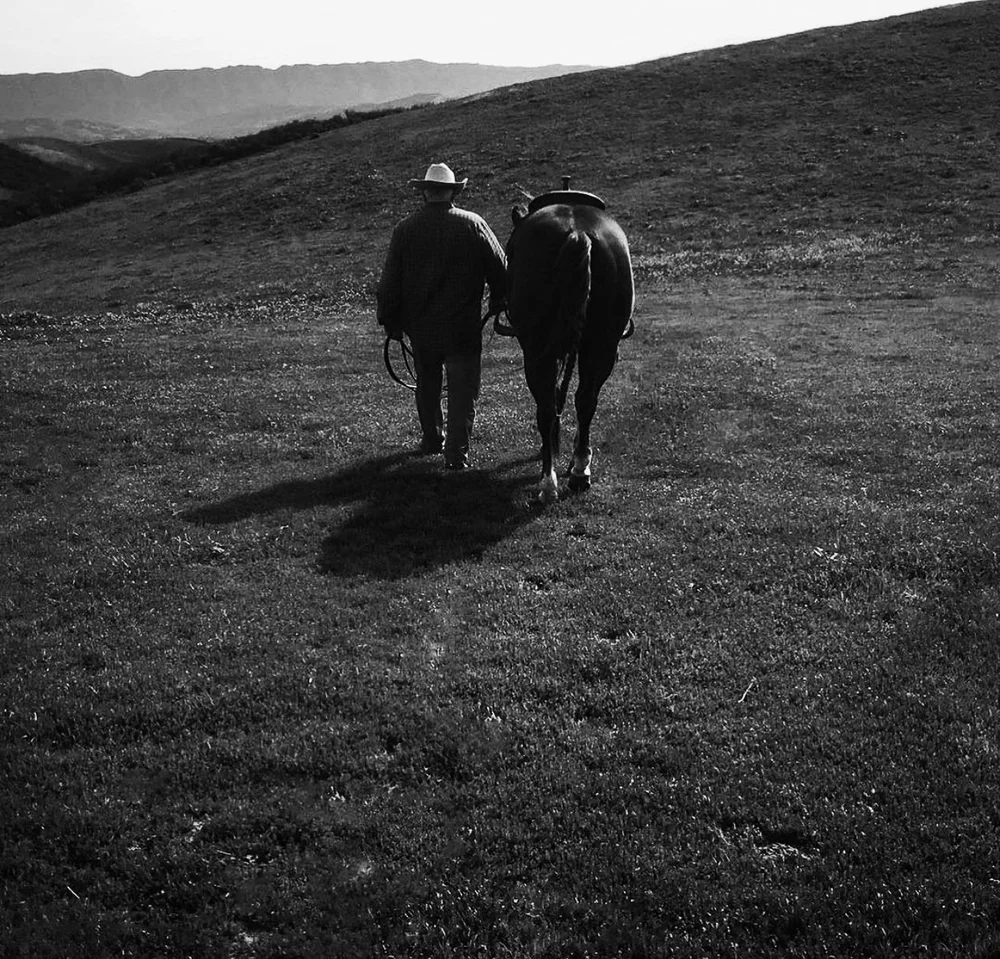
Rancheros Visitadores
The ride, the cowboy code, and a legacy that lives on.
01 Listen to part 1 02 Listen to part 2 03 Listen to part 3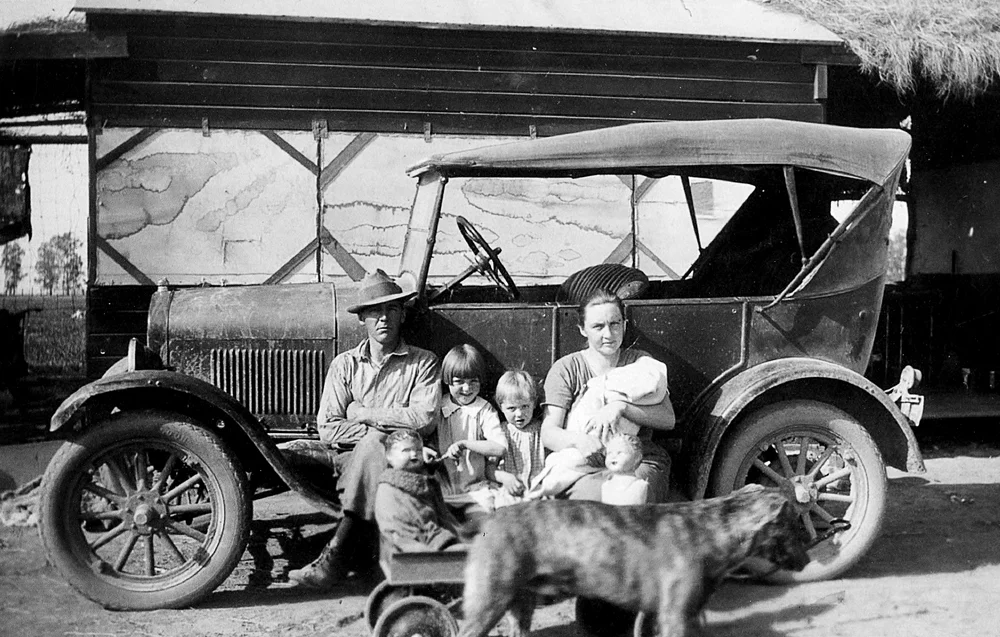
2 conversations · In order
Linda Saarloos
The woman behind our family. Two conversations with my mom.
01 Listen to part 1 02 Listen to part 2
2 conversations · In order
Louis Lucas
A grape legend on building wine country, a beautiful life, and its future.
01 Listen to part 1 02 Listen to part 2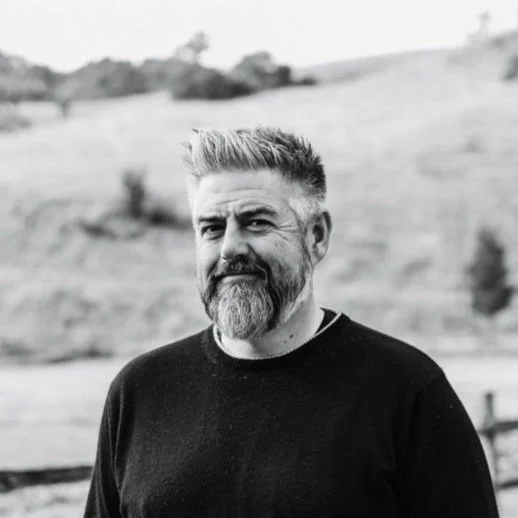
Your host · Keith Saarloos
A farmer.
A microphone.
A lot of questions.
I make wine in Los Olivos. I also get to sit across from people who make this Valley worth knowing.
Farmers. Horsemen. Artists. Neighbors. People with a good story and something to teach us.
Pull up a chair. You’re in good company.
Meet the people of the Valley ↓The listening room
Press play.
Pull up a chair.
Listen here, or take the Valley with you on Spotify and Apple Podcasts.
Earlier conversations
The conversations that brought us here.
Browse the published catalog, from local legends to the neighbors who quietly make a difference.
79 conversations
Los Olivos Day in the Country | Small Town. Big Heart.33m
Published episode description
LOSOLIVOSCA.COM A little town. A big parade. And a whole lot of heart. Once a year, the streets of Los Olivos fill with neighbors, families, old friends, tractors, music, laughter, and the kind of small-town traditions that remind us why we love where we live. It's Los Olivos Day in the Country. This week on Chopping It Up with Keith Saarloos, we're celebrating one of the Santa Ynez Valley's most beloved traditions and the people who make it happen. Because a town isn't just a collection of buildings. It's the people who built it.The businesses that keep the lights on.The families who have been here for generations.The newcomers who decided to call it home.And the volunteers who show up year after year, simply because they care. There's something beautiful about a place that still shuts down Main Street to throw a parade. No velvet ropes. No fancy invitations. Just a little town throwing a party for everybody. Saturday, October 10, 2026. Come spend the day with us in Los Olivos. Bring your family. Bring your friends. Bring somebody who has never been. Because these little traditions don't survive by accident. They survive because we show up. That's what Day in the Country is all about. Chopping It Up with Keith Saarloos — Real conversations. Real people. Right here in the Santa Ynez Valley. Listen to more episodes:https://saarloosandsons.com/podcast Saarloos + SonsFrom Our Plow to Your Porch.
Open the show on Spotify ↗ Apple episode ↗What Happens When a Community Just Shows Up | Bethania Lutheran Food Distribution33m
Published episode description
Sometimes helping people isn’t complicated. You see a need.You show up.You get to work. In this episode, we’re at Bethania Lutheran Church in the Santa Ynez Valley for their food distribution, spending time with the people who quietly put in the work to make sure their neighbors are taken care of. This isn’t about recognition. It’s about community. Service. Dignity. And the simple idea that when people take care of the people around them, a town becomes something more than a collection of houses and businesses. We talk about the need that exists right here at home, the people doing something about it, and why sometimes the most important work happening in a community is the work most people never see. Show up. Help somebody. Take care of your neighbor. That’s it. — Keith Saarloos
Open the show on Spotify ↗ Apple episode ↗The People We Trust With Our Children — Dr. Kim Sheehan36m
Published episode description
Dr. Kim Sheehan is the Superintendent of the Santa Ynez Valley Union High School District—and one of the people entrusted with helping prepare the next generation of this valley for adulthood. In this episode of Chopping It Up with Keith Saarloos, Keith and Dr. Sheehan sit down for an honest conversation about education, leadership, students, teachers, parents, expectations, accountability, and the changing world facing young people today. This is not simply a conversation about schools. It is a conversation about community. It is about what children need from the adults around them, what educators are being asked to carry, how leadership decisions affect real families, and how a small community can work together to give its young people a stronger beginning. Because the future of the Santa Ynez Valley is already here. It is sitting inside our classrooms. Chopping It Up with Keith Saarloos is recorded in Los Olivos, California, and features real conversations with the ranchers, farmers, educators, winemakers, business owners, artists, leaders, and local characters who make the Santa Ynez Valley remarkable. The show is free. Please buy wine. Explore every episode at: https://saarloosandsons.com/podcast
Open the show on Spotify ↗ Apple episode ↗Inside Rancheros Visitadores, Part Three: Honor, Remembrance and a Legacy That Rides On31m
Published episode description
What does it truly mean to be a Ranchero—and why do the traditions of Rancheros Visitadores remain so powerful nearly 100 years later? In the final chapter of this three-part oral history, Keith Saarloos and Bill Reynolds, the official historian of Rancheros Visitadores, explore the honor, remembrance, service, and horsemanship at the heart of one of California’s most legendary and private riding organizations. After tracing the founding and California vaquero origins of Rancheros Visitadores in Part One—and its famous riders, cowboy code, art, and campfire brotherhood in Part Two—this episode reveals what the ride means to the men who experience it. Bill begins by sharing personal memories of riding with Keith’s father, Larry Saarloos. Larry did not merely enjoy Rancheros. He embraced it completely. He took the horses, friendships, traditions, and responsibilities seriously while never losing his sense of wonder at how much fun men could have together beneath the open sky. Bill remembers Larry as a man willing to be humbled, contribute, laugh at himself, help others, and return even after being hurt. To Larry, the ride was a place to refill his soul, become a boy again, and experience something larger than himself. Keith and Bill then discuss one of the organization’s most meaningful traditions: the annual remembrance of Rancheros who have passed away. A family member or fellow rider carries the Ranchero’s hat to a stone altar. His name is read, a bell is rung, and the men with whom he rode pause to remember him. Every member knows that when his final ride is over, the men who rode beside him will carry his memory forward. The episode also explains why hundreds of Rancheros ride through Solvang and the Santa Ynez Valley wearing pink shirts. Through their support of breast cancer research, Rancheros Visitadores members have contributed nearly $2 million to the Cancer Foundation of Santa Barbara. Its affiliated nonprofit, Los Adobes de Los Rancheros, also supports local students, scholarships, FFA, 4-H, agriculture, and young people who want to preserve the rural life of the Santa Ynez Valley. Their philosophy is simple: when you can help, you should. Keith and Bill also examine misconceptions surrounding Rancheros Visitadores and cowboy culture. The ride is not simply a gathering of powerful men, celebrities, or rowdy cowboys. Its deeper purpose is found in responsibility, humility, friendship, contribution, service, and respect. A man’s character can be seen in how he cares for his horse—how he feeds it, waters it, prepares it, and places its needs before his own. Their conversation expands into the larger meaning of the Western lifestyle and the enduring relationship between horses and people. Horses can humble powerful men, help people heal, reveal emotions, build trust, and create connections that cannot be manufactured by technology. They also explore the meaning of the cowboy hat. A cowboy hat is more than clothing. It carries expectations. The person wearing it should stop when someone needs help, treat others respectfully, stand up when something is wrong, and prove himself worthy of what the hat represents. Because being a cowboy is not defined by what a man wears. It is defined by how he treats his horse, how he helps the person riding beside him, what he contributes, and the character he displays when no one is watching. This is Part Three of “Inside Rancheros Visitadores: An Oral History with Bill Reynolds.” Originally aired Saturday at 10:00 AM on 105.9 KRAZy Country as part of “Choppin’ It Up with Keith Saarloos,” preserving the people, places, traditions, and stories of California’s Santa Ynez Valley.
Open the show on Spotify ↗ Apple episode ↗Inside Rancheros Visitadores, Part Two: Famous Riders, Cowboy Code and Campfire Brotherhood28m
Published episode description
How did Rancheros Visitadores grow from a small horseback gathering into one of California’s most enduring and famously private riding traditions? In the second chapter of this three-part oral history, Keith Saarloos continues his conversation with Bill Reynolds, the official historian of Rancheros Visitadores, to explore the people, traditions, and cowboy code that have sustained the organization for nearly 100 years. After documenting its founding and California vaquero origins in Part One, this episode moves inside the experience of the ride itself. Bill describes the earliest rules and customs of Rancheros Visitadores, when the ride cost only $2.85 and food, drinks, and fresh playing cards were provided—although every rider had to bring his own poker chips. But the ride was never only about horses. Music, storytelling, artwork, skits, and performances were fundamental parts of the Rancheros experience. Playing an instrument could even help a prospective member receive an invitation. At night, riders gathered beneath the stars while musicians played, artists created, and remarkable men shared stories around the campfire. Rancheros Visitadores brought working ranchers and horsemen together with artists, actors, architects, entertainers, and business leaders. Notable members included Walt Disney, Clark Gable, Art Linkletter, and California ranch-house architect Cliff May. These men did not merely attend. They contributed. Walt Disney provided artwork for early Rancheros publications. Western artists created illustrations, menus, and paintings. Actors and entertainers performed for their fellow riders. Everyone was expected to bring something that improved the experience for the men around him. Around the campfire, however, fame, wealth, and professional status carried little weight. A powerful businessman might ride beside a working cowboy. A famous actor could share a fire with a horseman he would never have encountered in Hollywood. Without their usual titles, offices, or public identities, they met simply as men on horseback. The horse became the great equalizer. No amount of money or influence could make an unwilling horse cooperate. Every rider could be humbled, and every rider sometimes needed help. Men checked one another’s tack, watched for danger, offered advice, and learned to say both “please” and “thank you.” Keith and Bill explore how those shared experiences created friendships between men whose lives might never have crossed anywhere else. With several days to ride, talk, eat, laugh, and sit around the same fire, social hierarchies began to disappear and genuine relationships took their place. They also confront common misconceptions about cowboy culture. The cowboy code is not about recklessness, aggression, or pretending to be tough. It is built around self-reliance, honesty, humility, responsibility, helping a neighbor, and speaking the truth. This episode reveals why Rancheros Visitadores survived wars, economic changes, cultural shifts, and the transformation of California itself. The ride gave men something increasingly rare: time together without distraction, responsibility for their horses, the freedom to tell stories, and the opportunity to build friendships across boundaries of wealth, profession, geography, and fame. It became a place where interesting people could discuss interesting things—and where every man was expected to participate, contribute, and help the person riding beside him. This is Part Two of “Inside Rancheros Visitadores: An Oral History with Bill Reynolds.” Originally aired Saturday at 10:00 AM on 105.9 KRAZy Country as part of “Choppin’ It Up with Keith Saarloos,” preserving the people, places, traditions, and stories of California’s Santa Ynez Valley.
Open the show on Spotify ↗ Apple episode ↗Inside Rancheros Visitadores, Part One: How California’s Legendary Ride Began27m
Published episode description
What is Rancheros Visitadores, how did it begin, and why has this famously private California riding organization endured for nearly 100 years? In the opening chapter of this three-part oral history, Keith Saarloos sits down with Bill Reynolds, the official historian of Rancheros Visitadores, to document the origins of one of California’s most legendary horseback traditions. The story begins in Santa Barbara during the 1920s, when California was changing rapidly and the old ranching culture of the Central Coast was beginning to disappear. Artist Ed Borein, Elmer Awl, businessman Jack Mitchell, and a small group of ranchers, horsemen, artists, and business leaders shared a deep admiration for horses, the American West, and the traditions of the California vaquero. Their idea was simple: gather interesting men, put them on horseback, ride through the ranches of the Santa Ynez Valley, sleep beneath the stars, share stories around the campfire, and preserve a way of life that was already slipping into history. The earliest gathering took place in 1928. Rancheros Visitadores officially began its annual ride in 1930 and is now approaching its 100th ride in 2030. Bill explains how Old Spanish Days Fiesta in Santa Barbara helped inspire the organization. He also recounts how Jack Mitchell returned from the Bohemian Club believing that the experience would be even better if it were built around horses. Mitchell and the other founders began inviting friends, local landowners, working ranchers, artists, entertainers, and leaders from the business world to participate. From the beginning, authenticity mattered. The founders understood that Rancheros Visitadores could not simply be wealthy men dressing like cowboys for a few days. The organization needed ranching families, working horsemen, and real vaqueros who understood the horses, cattle, equipment, craftsmanship, and responsibilities of California ranch life. Keith and Bill recreate the Santa Ynez Valley of the 1920s: a landscape of open ranches, dirt roads, oak-covered hills, horses, and small communities separated by hours of travel. It was a place where neighboring ranchers depended upon one another to gather cattle, complete brandings, solve problems, and survive. They also explore the history of California’s vaquero culture and what distinguished the vaquero from the cowboys, buckaroos, and cowpunchers of Texas, Arizona, Nevada, Idaho, Montana, and Wyoming. In California, the availability of grass, water, favorable weather, and time allowed vaqueros to develop an extraordinarily patient and refined relationship with their horses. They braided their own reins, created their own gear, practiced subtle forms of communication, and elevated horsemanship into an art. That culture became the foundation of Rancheros Visitadores. Bill recounts how the earliest riders traveled through the Santa Ynez Valley, gathered at Jack Mitchell’s ranch, brought wagons and coaches, and eventually began riding to Mission Santa Inés to recognize the region’s history and receive a blessing from the padres. Nothing about Rancheros Visitadores happened by accident. Its ceremonies, routes, expectations, and traditions were developed deliberately and carried forward by generations of riders. This is more than the origin story of a private men’s riding club. It is the story of the horses, ranches, artists, working cowboys, business leaders, and California vaqueros who created a tradition capable of lasting for a century. It is also the story of the Santa Ynez Valley—and why the sight of hundreds of horses riding through Solvang each May still connects today’s valley to its Western past. This is Part One of “Inside Rancheros Visitadores: An Oral History with Bill Reynolds.” Originally aired Saturday at 10:00 AM on 105.9 KRAZy Country as part of “Choppin’ It Up with Keith Saarloos,” a program dedicated to preserving the people, places, traditions, and stories of California’s Santa Ynez Valley.
Open the show on Spotify ↗ Apple episode ↗The Sun Will Come Up Tomorrow — My Mom, Linda Saarloos | Part 2 Episode 5934m
Published episode description
Keith Saarloos continues his conversation with the woman behind the Saarloos family—his mother, Linda Saarloos. In Part 2, Linda and Keith tell the story of how she and Larry “Big Lar” Saarloos followed a family dream to California’s Santa Ynez Valley. They bought a Ballard Canyon ranch planted with approximately 14,000 Fuji apple trees and believed their first crop had already been sold. After a year of work, every apple was rejected. The family donated what they could, fed the rest to cattle and learned their first unforgettable lesson about farming. Then Linda offered a simple idea: They could only eat so many apple pies. Why not plant grapes? That decision began the journey from apple farmers to vineyard owners and ultimately to Saarloos + Sons. Keith and Linda also revisit the Roasted Bean coffee shop, Los Olivos bocce ball, horses, family business lessons and Big Lar’s habit of calling people during the worst moments of their lives. Then the conversation turns to March 2020. After spending what he called one of the greatest days of his life moving cattle at Hollister Ranch, Larry was thrown from a horse and suffered a catastrophic injury. He died ten days later during the beginning of the COVID-19 shutdown. Unable to hold a traditional funeral, the Santa Ynez Valley showed up in a different way. What began as a small drive-by memorial became a 45-minute procession through Los Olivos honoring Larry Saarloos and Sue Herthel. This episode is a story about farming, failure, marriage, grief and the community that carried the Saarloos family through its darkest moment. Most importantly, it gives Keith the opportunity to place something permanently on the record: His gratitude for the Santa Ynez Valley—and his love for his mom. Episode 59 is Part 2 of Keith’s conversation with Linda Saarloos. #SocialYnezValley #SaarloosAndSons #LindaSaarloos #ChoppinItUp #CaliforniaWine #FamilyHistory #BigLar
Open the show on Spotify ↗ Apple episode ↗I Ambushed My Mom — Linda Saarloos: The Woman Behind Our Family | Part 1 Episode 5828m
Published episode description
Keith Saarloos welcomes the most important guest he has ever had on Choppin’ It Up: his mother, Linda Saarloos. There was only one way to get her into the studio. He ambushed her. Keith bought his mom a cup of coffee, told her they were going somewhere fun and walked her directly into the Krazy Country 105.9 studio. What follows is Part 1 of a funny, deeply personal conversation about the woman behind the Saarloos family. Linda shares stories about growing up as the youngest of six children, moving from Pipestone, Minnesota, to Southern California, competing in nearly every sport available to girls before Title IX and meeting Keith’s father, Larry “Big Lar” Saarloos, when she was sixteen. Keith and Linda also talk about surviving colon and breast cancer, her continuing fight against bone cancer, the family nickname “The Wolverine,” the Saarloos baseball legacy and Linda’s unofficial position as the most dedicated sports fan at Texas Christian University. Then there is the story of the living-room furniture money, the Model A and the freshly painted car parts stored throughout Linda’s house. This is a conversation about motherhood, marriage, sacrifice, resilience, baseball and the importance of recording the stories of the people we love while we still can. Episode 58 is Part 1 of 2. Choppin’ It Up with Keith Saarloos is recorded in the Santa Ynez Valley and broadcast on Krazy Country 105.9. #LindaSaarloos #SaarloosAndSons #ChoppinItUp #SaarloosFamily #TCUBaseball #SantaYnezValley #FamilyHistory
Open the show on Spotify ↗ Apple episode ↗John Wright | The Analogue Room: We Traded Community for Convenience | Episode 5732m
Published episode description
We traded community for convenience. We gained every song ever recorded in our pockets—but somehow ended up listening to the same things alone. In Episode 57 of Choppin’ It Up, Keith Saarloos sits down with John Wright, the preservation architect, winemaker, music promoter, and founder of Standing Sun Wines who has created one of the Santa Ynez Valley’s most interesting new gathering places: The Analogue Room in Solvang, California. The Analogue Room is a vinyl listening lounge, wine bar, beer bar, bottle shop, and restaurant built around a beautifully simple idea: put down the phone, choose a record, pour a glass, share some pizza, and listen together. John shares how he traveled from Maryland and Washington, D.C., to Manhattan, Pennsylvania, Malibu, and ultimately the Santa Ynez Valley. He explains how two master’s degrees in architecture, years spent restoring historic barns, a fascination with physical craft, and a love of music eventually led him into winemaking at Standing Sun Wines. Keith and John also revisit the nationally touring artists who played Standing Sun, including The Revivalists, American Aquarium, Cody Canada, Kathleen Sieck, and Tom Curren—and explore why live music, vinyl records, wine, food, movies, and even the World Cup become more meaningful when experienced with other people. This episode is about music—but it is really about something larger. It is about the importance of the “third place”: somewhere beyond home and work where people can gather, slow down, discover something new, make a friend, and remember that life was never intended to be experienced entirely through a screen. Explore The Analogue Room:https://www.analogueroom.com/ Follow The Analogue Room:https://www.instagram.com/analogueroomsyv/ Explore Standing Sun Wines:https://www.standingsunwines.com/ Follow John Wright and Standing Sun:https://www.instagram.com/standingsun/ Heard on KRAZy Country 105.9:https://www.krazfm.com/ Choppin’ It Up with Keith Saarloos is recorded in California’s Santa Ynez Valley and features conversations with the farmers, ranchers, winemakers, chefs, artists, musicians, entrepreneurs, and local characters who make this place special.
Open the show on Spotify ↗ Apple episode ↗What Horses Know About You Before You Do | Inside Roundbarn Ranch | Episode 5636m
Published episode description
What if a horse could show you something about yourself before you had the words to explain it? In Episode 56 of Chopping It Up with Keith Saarloos, Keith sits down with Justine Schreyer Lewin, founder of Roundbarn Ranch and Co., and co-founder Victoria “Tori” Fertitta Mortensen for a powerful conversation about horses, human behavior, authenticity, loss, joy, and rediscovering who we really are. Roundbarn Ranch and Co. is a Santa Ynez Valley nonprofit built around the horse-human connection. Through Equine-Guided Education, participants work alongside horses to develop greater self-awareness and practical tools for navigating personal and professional challenges. This is not horseback riding—and it is not therapy. It is a non-clinical, future-focused experience where horses provide immediate, honest, and completely nonjudgmental feedback. Because horses respond to body language, emotions, energy, and authenticity, they often recognize what we are carrying long before we are ready to admit it ourselves. Keith, Justine, and Tori discuss: What horses can teach us about being humanHow horses mirror human emotions and behaviorThe difference between Equine-Guided Education and equine therapyGrief, loss, healing, and rediscoveryAuthenticity, trust, leadership, and self-awarenessWhy no previous horse experience is requiredGround-based experiences involving grooming, groundwork, and problem-solvingCreating corporate retreats and personal-growth experiencesMaking these opportunities financially accessibleWhy Roundbarn is “not for everyone, but for anyone”Learning to disconnect from the noise and reconnect with yourselfWhy joy can be one of the most practical tools we possessThis is a conversation about horses—but it is really a conversation about people, the things we carry, and what becomes possible when we finally become honest with ourselves. Learn more about Roundbarn Ranch and Co.:https://www.roundbarnranchandco.com/ Explore Roundbarn experiences:https://www.roundbarnranchandco.com/enterthebarn Follow Roundbarn on Instagram:https://www.instagram.com/roundbarn_ranch/ Listen, follow, and share Chopping It Up with Keith Saarloos with someone who needs to hear this conversation.
Open the show on Spotify ↗ Apple episode ↗🎙️ Episode 55 | 🎻 A German Banjo Player, 🎼 An Opera Singer & 🍇 The Future of Verjus | Glass Rose34m
Published episode description
🍇 Can a German banjo player, an American opera singer, and a vineyard in the Santa Ynez Valley change the way we think about wine? It sounds like the beginning of a movie... because it almost is. What happens when a German banjo player, classically trained opera singer, and entrepreneur walks into a California winery? You get one of the most unexpected conversations we've ever recorded. Glass Rose has lived a life that's anything but ordinary. From music and performance to creating Verjus, a centuries-old ingredient that's finding new life in modern kitchens and cocktails, this episode is about curiosity, reinvention, and asking better questions. In this episode we discuss: • What Verjus is and why chefs love it • The surprising history of Verjus • Why Verjus may be the future of non-alcoholic beverages • Growing grapes for something completely different than wine • Music, opera, and performance • Moving from Germany to California • Entrepreneurship and starting over • Why curiosity beats certainty Whether you're a wine lover, chef, entrepreneur, musician, or simply enjoy hearing remarkable stories, there's something here for you.
Open the show on Spotify ↗ Apple episode ↗🇺🇸 Episode 54 | Dennis Patrick — (Part 3 of 3) The Digital Revolution • AOL • Time Warner • Why Community Still Matters34m
Published episode description
(Part 3 of 3) 📱 Who built the digital world we all live in today? 💻 How did the internet move from dial-up to the smartphone in your pocket? 🌾 And after helping shape the future of communications, why would someone leave it all behind for a ranch in the Santa Ynez Valley? In the final chapter of this three-part conversation, Keith Saarloos sits down with former FCC Chairman Dennis Patrick to discuss the digital revolution, the birth of modern media, and why the greatest innovations in life may have nothing to do with technology at all. Dennis shares how his work after the FCC led him to Time Warner, AOL, and the early days of integrating voice, video, and data—the foundation for today's internet, smartphones, streaming services, podcasts, and digital communications. He explains how decisions that once seemed to be about improving television pictures ultimately transformed nearly every aspect of modern life. But this episode isn't really about technology. It's about what comes after. Keith and Dennis discuss why Dennis chose to leave Washington, New York, and the corporate world behind to build a life on a working ranch in the Santa Ynez Valley. Together they explore faith, family, freedom, community, raising children, and why the future may depend less on more technology—and more on meaningful human connection. 📺 The birth of high-definition television 💻 How digital technology changed everything 📡 Voice, video, and data become one 📱 Bringing the internet to mobile phones through AOL Wireless 🎬 Building the future at Time Warner 🚀 The unintended consequences of the digital revolution 🤠 Why Dennis Patrick left Washington for ranch life 🥩 Zaca Creek Ranch, cattle, coffee, and the Santa Ynez Valley 👨👩👧👦 Family, community, and raising children in a digital world 🇺🇸 Why freedom, conversation, and human connection still matter more than technology This episode begins with the future of technology... …but ends with something much older: A handshake. A family dinner. Watching the sunset. And remembering that the greatest innovations in life have always been the people sitting beside us. #ChoppingItUp #KeithSaarloos #DennisPatrick #DigitalRevolution #AOL #TimeWarner #Technology #Internet #Smartphones #SantaYnezValley #Leadership #Community #Freedom #AmericanHistory #Podcast #KrazyCountry1059 🇺🇸 In this episode:
Open the show on Spotify ↗ Apple episode ↗🇺🇸 Episode 53 | Dennis Patrick — (Part 2 of 3) Free Speech • The Fairness Doctrine • The First Amendment29m
Published episode description
(Part 2 of 3) 🇺🇸 Should the government have a role in deciding what you can hear? 📺 What was the Fairness Doctrine, and why did its repeal permanently change American broadcasting? 🎙️ And why does a decision made nearly 40 years ago still shape the debates we have every day? In Part 2 of Keith Saarloos' conversation with former FCC Chairman Dennis Patrick, the discussion moves beyond telecommunications and into one of the most important—and controversial—questions in American history: Who controls speech? Dennis explains what the Fairness Doctrine actually was, why the Federal Communications Commission believed it was unconstitutional, and how abolishing it became one of the most controversial decisions of his career. Keith and Dennis explore the balance between free speech, government regulation, media ownership, competition, and the responsibilities that come with living in a free society. They also discuss how the explosion of cable television, new media, and thousands of new voices transformed America from a country with just a handful of television channels into the world of unlimited information we live in today. Whether you agree with Dennis or not, this conversation provides a rare firsthand look at the decisions that continue to influence politics, journalism, media, and public debate decades later. 📡 The future of the FCC after the breakup of AT&T 📺 Why the Fairness Doctrine became so controversial ⚖️ The First Amendment and the role of government 🎙️ Can the government regulate speech? 📰 Why more voices create more freedom 📻 The explosion of cable television and broadcast media 🏛️ Congressional hearings and defending the Constitution 💬 Why free speech remains America's foundational freedom 🇺🇸 How decisions made in the 1980s continue to shape today's media landscape This isn't just a conversation about broadcasting. It's a conversation about the First Amendment, free speech, and why the marketplace of ideas matters just as much today as it did when the Constitution was written. #ChoppingItUp #KeithSaarloos #DennisPatrick #FirstAmendment #FreeSpeech #FairnessDoctrine #FCC #RonaldReagan #Media #Broadcasting #Constitution #AmericanHistory #Podcast #KrazyCountry1059 🇺🇸 In this episode:
Open the show on Spotify ↗ Apple episode ↗🇺🇸 Episode 52 Dennis Patrick — (Part 1 of 3) Ronald Reagan • The White House • The Breakup of AT&T31m
Published episode description
🇺🇸 What was Ronald Reagan really like when the cameras weren't rolling? 🏛️ What was it like to work inside the White House during one of the most transformative presidencies in American history? ☎️ And how did the breakup of AT&T change the way every American communicates today? This week on Chopping It Up with Keith Saarloos, Keith sits down with former FCC Chairman Dennis Patrick for Part 1 of an unforgettable three-part conversation that spans the Reagan White House, the communications revolution, and the birth of the modern digital world. Dennis shares his remarkable journey from growing up in Eagle Rock and Huntington Beach to receiving the unexpected phone call that brought him to President Ronald Reagan's White House. Along the way, he shares personal stories about President Reagan, life inside the West Wing, Christmas dinners at the White House, and what it was like helping select the leaders who would shape America during the 1980s. Keith and Dennis also begin exploring one of the biggest technological revolutions in history—the breakup of AT&T, the end of the Ma Bell monopoly, the birth of cable television, and the decisions that laid the foundation for today's internet, streaming, podcasts, smartphones, and even Starlink. 🏛️ Growing up in Southern California 📞 The phone call that changed Dennis Patrick's life 🤝 Working alongside President Ronald Reagan 🎄 Christmas inside the White House 📋 Helping select presidential appointments 📡 Becoming Chairman of the FCC ☎️ The breakup of AT&T and the end of Ma Bell 📺 The birth of cable television 💻 How the communications revolution changed America forever 🚀 Why decisions made over 40 years ago still shape our lives today This isn't just a conversation about politics. It's the story of the people, ideas, and decisions that built the connected world we all live in today. #ChoppingItUp #KeithSaarloos #DennisPatrick #RonaldReagan #WhiteHouse #FCC #ATT #MaBell #Telecommunications #CableTelevision #Technology #AmericanHistory #Communications #SantaYnezValley #Podcast 🇺🇸 In this episode:
Open the show on Spotify ↗ Apple episode ↗🤠🐴🇺🇸 Episode 51 — Old Santa Ynez Days - Charlotte Becerra - Jail Wagons • Tortilla Tosses • Rodeo Weekend • The Most Santa Ynez Thing Ever33m
Published episode description
Some towns have festivals. Santa Ynez has a jail wagon. This week on Choppin’ It Up with Keith Saarloos, Keith sits down with Charlotte Becerra from Old Santa Ynez Days and the Santa Ynez Chamber of Commerce to talk about one of the most wonderfully unhinged, deeply beloved, and historically perfect weekends in the Santa Ynez Valley. Old Santa Ynez Days started in 1962 as a fundraiser to help build Segundo Park. And somehow, all these years later, it still has everything you could ever want: • A hometown parade • Leather badges • Deputies looking for people without badges • A rolling jail wagon • A tortilla toss • A pie contest • Pony rides • Bounce houses • Face painting • Painted horses • The Santa Ynez Historical Museum • The Carriage Museum • The rodeo • And an entire town showing up for each other We talk about Dutch Wilson. We talk about how a community builds things that last. We talk about the old stagecoach routes, the horseshoe crosswalks that spell “WHOA,” the world’s smallest working library, the history hiding in plain sight, and why Santa Ynez still feels like Santa Ynez. It’s weird. It’s wonderful. It’s cowboy. It’s community. And it might be the most Santa Ynez thing that has ever existed. If you love this valley... If you love old traditions... If you believe towns are built by people who keep showing up... This episode is for you. 🎙️ Choppin’ It Up — Old Santa Ynez Days with Charlotte Becerra Listen. Buy a badge. Don’t get thrown in jail. Or do. It’s for a good cause. OldSantaYnezDays.com
Open the show on Spotify ↗ Apple episode ↗🍷 Episode 50 — Doug Margerum 🍷🇫🇷 The Wine Cask • Margerum Wine Company • Why Wine Matters More Than Ever32m
Published episode description
Some conversations remind you why you fell in love with wine in the first place. This is one of those conversations. Before Santa Barbara County wine was cool...Before tasting rooms lined the streets...Before wine country became a destination... There were a handful of people building something they weren't sure would work. Doug Margerum was one of them. In this episode, Doug tells the story of being a 14-year-old kid tasting wine in Châteauneuf-du-Pape and realizing that wine wasn't really about alcohol. It was about connection. It's about:• The birth of The Wine Cask• Santa Barbara wine before anyone cared• Jim Clendenen, Bob Lindquist, and the pioneers• Why wine is a memory machine• Anthony Bourdain, Kitchen Confidential, and pirate ships• The difference between making a living and building a life• Why sitting around a table still matters We talk about France. We talk about food. We talk about music. We talk about community. And we talk about why wine isn't really a beverage at all. It's a vehicle for stories. A bottle can take you back to a place.A year.A person.A sunset.A conversation. And sometimes that's enough to change your life. If you love Santa Barbara County...If you love wine...If you believe the best things in life happen around a table... This episode is for you. 🎙️ Choppin' It Up — Doug Margerum The show is free. Please buy wine.
Open the show on Spotify ↗ Apple episode ↗🎙️ Episode 49 🍷 Larry Schaffer | Curiosity, Community, and Why Wine Should Be Fun34m
Published episode description
There are people who make wine. And then there are people who spend their lives asking questions. This week on Choppin' It Up, Keith sits down with one of the most outspoken, thoughtful, and genuinely curious people in the Santa Barbara County wine industry... Larry Schaffer of Tercero Wines. Before Larry was a winemaker, he was working in the music business. Before that, he was a kid from Los Angeles who didn't grow up around wine at all. Then one day he decided to do something most people never do. He started over. Larry walked away from a successful career, went back to school, moved to the Santa Ynez Valley, and built a wine brand from scratch because he believed life was too short to spend doing something he didn't love. What follows is less of a wine conversation and more of a conversation about life. 🍷 Why wine should never make people feel intimidated 🎸 The similarities between music, art, and wine 🤔 Why curiosity keeps people young 🔥 Why groupthink is dangerous 🌱 The future of Santa Barbara County wine 🏔️ Why the Santa Ynez Valley remains one of the most unique wine regions in the world 💬 Social media, storytelling, hospitality, and the lost art of conversation Most of all, Larry makes a compelling argument for a simple idea: Drink what you like. Like what you like. And stop worrying about what everyone else thinks. This episode is about wine. But it's really about curiosity. And curiosity might just be one of the most important things we lose as adults. Pull up a chair. Bring an opinion. Larry probably has a different one.
Open the show on Spotify ↗ Apple episode ↗Episode 48 🎨 LOON — The Most Interesting Man in the World1h 7m
Published episode description
There are people who make art… and then there are people who quietly dedicate their lives to observing humanity… pointing out the absurd… and somehow making us love each other a little more because of it. This week on Chopping It Up, Keith sits down with international treasure, artist, humorist, adventurer, former Scots Guards officer, accidental aristocrat, and world-famous illustrator… Alasdair Hilleary — known around the world simply as “Loon.” And honestly… this conversation feels less like an interview and more like sitting around a campfire listening to the most interesting man alive tell stories until the whiskey runs out. Loon’s life sounds fictional: Growing up in a 52-room estate in Scotland. Riding ponies through hallways. Tobogganing down staircases. Serving in the British Army. Guarding Buckingham Palace. Meeting the Queen. Traveling the world with the love of his life. Living in a garage in the Santa Ynez Valley. Creating artwork collected by royalty… while still somehow remaining completely grounded, warm, funny, and deeply human. Keith and Loon talk about: • Why humor should never become cruelty • The disappearing analog world • Art, adventure, and living a meaningful life • Scottish aristocracy and American cowboy culture • Why dogs always seem smarter than humans • Why modern life desperately needs face-to-face connection • The danger of AI replacing humanity • The beauty of friendship, storytelling, patriotism, and shared experience • And why embarrassed humans will always be funny Loon feels like Norman Rockwell crossed with Gary Larson… filtered through mud, military humor, sporting tradition, watercolor, whiskey, and complete human chaos. This episode is funny. It’s heartfelt. It’s philosophical. And by the end of it… you may find yourself wanting to put your phone down, sit around a fire, and actually live a little. Ladies and Gentlemen… Our Friend… LOON.
Open the show on Spotify ↗ Apple episode ↗Episode 47 🍔🔥⛷️ Kevin Malone — The Local Kid Behind the Grill at Mattie’s Tavern33m
Published episode description
This week on Chopping It Up with Keith Saarloos, Keith sits down with one of the most interesting guys quietly shaping the Santa Ynez Valley food scene… Executive Chef Kevin Malone of Mattei's Tavern. But this episode isn’t just about food. It’s about passion. About obsession. About the kind of people who go all in on everything they touch. Before Kevin was running one of the most beloved kitchens in the Valley, he was a ski bum riding a Greyhound bus from Massachusetts to Mammoth chasing the dream of becoming a professional skier. He built terrain parks. Drove snowcats. Sent himself off jumps big enough to make normal people question reality. Then somewhere along the way… life pivoted. Now he’s the guy rebuilding the soul of Mattie’s Tavern. Keith and Kevin dive deep into: Why Mattie’s Tavern feels like the “living room of the Valley”The impossible balancing act of luxury hospitality and local authenticityBurgers, bars, fireside booths, and community ownershipSnowcats, ski culture, and moving across the country chasing passionSwapping an engine in a 1981 Rabbit pickup truck in one week… then immediately driving it 1,000 miles in a rallyThe pirate-ship culture of restaurant kitchensWhy local restaurants matter more than everWhat happens when a chef truly loves the place he cooks forMore than anything, this episode is about craftsmanship. The kind that happens when somebody doesn’t just work somewhere… they belong there. If you’ve been wondering whether Mattie’s Tavern “feels like the old days again”… this episode explains exactly why people are saying that. And if you love this Valley, love food, love community, or just love hearing passionate people talk about what they do — this one’s for you. Grab a burger. Sit by the fire. Stay awhile. 🎙️ Hosted by Keith Saarloos 📍 Broadcasting from the Santa Ynez Valley 📻 Chopping It Up with Keith Saarloos on KRAZy Country 105.9 And remember… Pick up litter. Support local. Spend your money in the hood.
Open the show on Spotify ↗ Apple episode ↗46 VIDEO EPISODE : How to Fix Your Mental Health in 25 Minutes 🧠🍷 | SAARLOOS + SONS Spring Allocation26m
Published episode description
Before there was wine… there were people worth remembering. This is the RAW Video0 from our 2026 Spring Allocation—recorded in the vineyard as everything comes back to life. No script. No polish. Just the truth. I spent time this week with my son and we unplugged from everything—no phones, no noise, no distractions. And it hit me: We’ve built a world around convenience… but what we’re actually craving is connection. This episode isn’t about wine. It’s about what happens when you slow down long enough to be present with someone else. Inside this, we walk through three wines—Mom, Dad, and Soulmates—and what they really represent: • Mom — unconditional love, the ones who poured into you • Dad — the backbone, the one who shows up when you’re in a hole • Soulmates — not found… built over time, pressure, and commitment Each bottle is just a reason to do something we’ve forgotten how to do: Sit down. Look someone in the eye. Share something real. Because wine isn’t just a drink—it’s a time machine. A way to step out of the noise and into a moment that actually matters. If you’re overwhelmed… distracted… feeling pulled in a thousand directions… Take 25 minutes. Put the phone down. Go outside. Open something meaningful. Be where your feet are. That’s the reset. — SAARLOOS + SONS A small family farm doing things differently. From our plow to your porch 🍷
Open the show on Spotify ↗ Apple episode ↗Episode 45 🎙️🎓 Dr. Kimberly Sheehan | Santa Ynez Valley Union High School - “ Is The Total Package” Community High School California Should Try To Emulate59m
Published episode description
If you’re a parent… this is not optional listening. Because everything you think you know about schools, kids, and “how things are these days”… might not be the full story. This week on Chopping It Up, Keith sits down with Dr. Kimberly Sheehan, Superintendent of Santa Ynez Valley Union High School—and what comes out of this conversation is something you don’t hear enough of: Hope. Not the fake kind. Not the brochure version. The real thing. – A school where kids want to be – Where 90% of students are involved in something bigger than themselves – Where trades matter just as much as college – Where accountability isn’t punishment—it’s preparation – Where kids still say “yes sir” and “yes ma’am” But here’s the part every parent needs to hear: These kids are showing up. They’re working. They’re supporting each other. They’re becoming the kind of people you hope your kids grow up to be. And it’s not happening by accident. It’s happening because a community decided to care… and a school decided to lead. In a world full of noise about what’s broken— this is a story about what’s working. If you have kids… if you’re raising kids… or if you care about the next generation— 👉 Press play.
Open the show on Spotify ↗ Apple episode ↗🎙️ Episode 44 🇺🇸🔥 – Andrew Coffin | Reagan Ranch39m
Published episode description
Andrew Coffin | The Reagan Ranch, Legacy, and Leadership That Still Speaks Some places are visited.Some places are remembered.A very rare few… shape the people who shape the world. This episode is about that place. I sat down with Andrew Coffin for a conversation about a quiet ranch above the clouds—and why it still matters today. Andrew serves as Director of Rancho del Cielo, the place Ronald Reagan went to think, to work, and to become. What unfolds isn’t a history lesson.It’s a character study. • 🏔️ The Ranch Above the NoiseWhat it feels like to arrive at a place designed for clarity—and why Reagan called it his “open cathedral.” • 🛏️ A President, SimplifiedAn 1,800 sq ft home. No excess. No show. Just a life that matched the message. • 🪵 Work as ResetClearing brush. Building fences. Physical labor as a way to think, decide, and lead. • 📖 Faith, Stillness, PerspectiveWhy the ranch wasn’t an escape—it was where he prepared to go back into the storm. • 🎓 Shaping the Next GenerationHow Young America's Foundation is bringing students into that same space—and why it’s changing how they think. • 🎤 The Open MicrophoneReal debate. Real questions. No scripts. No shutdowns. Just ideas competing. • 🇺🇸 Legacy vs. ImageWhat young people see when they walk into that house—and why it sticks. This conversation is about something deeper than politics. It’s about:Character.Clarity.And the kind of leadership that doesn’t need an audience. This isn’t nostalgia.It’s perspective. 🎧 Listen now — Episode 44: Andrew Coffin | The Reagan Ranch
Open the show on Spotify ↗ Apple episode ↗🍇🙏 Episode 43 — Louis Lucas: A Beautiful Life, Hard Truths, and the Future of Wine Country Saarloos and sons – Chopping it up – With Keith Saarloos33m
Published episode description
Louis Lucas (Pt. 2) | Farming Wisdom, Industry Reality, and Why It Was All Worth It Some people build something.Some people survive something.And every once in a while, someone looks back on a lifetime of both… and says they wouldn’t change a thing. This episode is about perspective. Part 2 with Louis Lucas goes deeper — into the realities of farming, the changing economics of wine, the beauty of the work, and the mindset it takes to stay in the game for over 60 years. This is less about how it started.And more about what it all means. And what comes next. • 🍇 “It’s Not What You Have, It’s What You Are”Louis reflects on a lifetime in wine, travel, people, and experience — and why fulfillment has nothing to do with what’s in the bank. • ⚖️ The Hard Truth About Farming TodayFrom $1,000 an acre to $10,000 an acre to farm… rising costs, overregulation, and why many farmers are stepping away from the business. • 🌱 Why Agriculture Is ChangingLeasing, consolidation, and the shift away from small, hands-on farming — and what that means for the future of the Santa Ynez Valley. • 🧠 A Lifetime of Knowledge in the VineyardWhat Louis sees when he looks at a vine — structure, color, balance — and why great farming is both science and art. • 🍷 Wine Is Not a BeverageA powerful idea: wine is not manufactured — it is site-specific, year-specific, and even hillside-specific. • 🌍 The Importance of Place and TimingFrom leaving California for Notre Dame to traveling Europe, Louis explains how exposure shapes perspective — and ultimately success. • 🔁 Would He Do It All Again?After bankruptcies, risk, sacrifice, and decades of uncertainty… Louis’s answer is simple:He wouldn’t change a thing. • 👨🌾 The Life of a True FarmerSleeping in trucks during frost. Fighting every season. Living year-to-year. And still showing up. • ❤️ Family, Legacy, and the People Around YouFrom longtime vineyard workers to his daughters, Louis reflects on the people who made the journey meaningful. • 🙏 Final Words“God bless everybody.” This conversation is about wine.But it’s really about a life. A life of risk.Of failure.Of persistence.Of joy. It’s about waking up early.Working with your hands.Building something that outlives you. And understanding that even when it’s hard —especially when it’s hard —it might still be exactly the life you were meant to live. If Episode 42 is the blueprint…this is the reflection. And maybe the most powerful takeaway of all: You can lose money.You can lose sleep.You can lose years. But if you love what you do…you might just gain a life you wouldn’t trade for anything. Part 2 of a 2-part conversation.And if you listen closely —this one might change how you look at your own path.
Open the show on Spotify ↗ Apple episode ↗🍇🏆 Episode 42 : Louis Lucas: The Grape Legend, The Man Who Built Santa Barbara Wine Country Saarloos and sons – Chopping it up – With Keith Saarloos29m
Published episode description
Louis Lucas | Wine Pioneer, Valley Builder, and the Foundation of an Entire Industry Some people plant grapes.Some people build wineries.And every once in a while, someone builds an entire region. This episode is about foundation. I sat down with Louis Lucas — a true pioneer of Santa Barbara County wine — for a conversation about how this valley went from almost nothing… to one of the most dynamic wine regions in the world. Before the tasting rooms.Before the weekend crowds.Before wine country was even a thought… There were about 80 acres of grapes in this county. And then Louis Lucas showed up and planted 800. This is not just a story about wine.This is the origin story. • 🌱 From 80 Acres to 800 OvernightAt a time when Santa Barbara County barely existed on the wine map, Louis helped expand vineyard plantings in a way that changed everything. • 🍷 The Vineyard That Built Kendall-JacksonThe first bottles of Kendall-Jackson Chardonnay came from Louis’s vineyard — helping launch one of the most recognizable names in wine. • 🚜 Raised a FarmerFrom Delano, California, to a Croatian farming family, Louis learned the trade from his father — long before wine became the focus. • 🇺🇸 Notre Dame to the DirtA journey through college, law school, and military service before returning home to build something real. • 🌍 Learning from the Old WorldStudying vineyards across Europe and bringing those lessons back to California — helping shape how grapes are grown here today. • 🍇 Why Santa Barbara Is DifferentOne of the only places in the world where you can grow Burgundy, Rhône, and Bordeaux varietals within a short drive. • ⚖️ The Hard Truth About the Grape BusinessFrom $800/ton grapes in the 1970s to today’s tough economics, Louis shares what’s really happening in the industry. • 🧪 A Lifetime of ExperimentationFrom canopy management to co-fermentation, Louis has spent decades pushing the boundaries of what’s possible. • 🏆 Still Competing, Still WinningEven after 50+ years, Louis is still producing award-winning wines and proving that experience matters. This conversation is about grapes.But it’s really about building something from nothing. It’s about risk.About timing.About vision. And about the kind of people who don’t wait for permission —they just go do it. Everything you see in the Santa Ynez Valley today…all the wineries, all the vineyards, all the momentum… It started with people like Louis Lucas. This isn’t just history. It’s the blueprint.
Open the show on Spotify ↗ Apple episode ↗🎙️🙏🏫 Episode 41 — Casey Groves: Faith, Friendship, and What’s Really Behind the Pulpit38m
Published episode description
Casey Groves | Faith, Doubt, and Real Conversations About Church Some people talk about faith. Some people avoid it. And some people wrestle with it—honestly. This episode is about the wrestle. I sat down with my friend Casey Groves for a conversation that didn’t start in a church—it started over coffee, years ago, with questions, hesitation, and a healthy amount of skepticism. This isn’t a sermon. It’s a real conversation. • ☕ Friendship Before Faith Six years of coffee, conversation, and trust—getting to know the person before the pastor. • 🎸 From Iowa to California A small-town kid, death metal, guitars, and a completely unexpected turn into ministry. • 🧭 The Moment Everything Changed Walking away from one path, stepping into the unknown, and discovering something bigger than a plan. • ❓ Why People Stay Away from Church Hurt, hypocrisy, perception—and the difference between God and the people who represent Him. • 🏥 Courtroom vs. Hospital Why church is often misunderstood—and what it’s actually supposed to be when it’s working. • 🧠 Questions Over Answers Why the best conversations don’t start with preaching—they start with asking the right questions. • ❤️ Faith in a Comfortable World What happens when people don’t feel the need for God—and what it takes to rediscover it. • 🤝 Love One Another The simplest idea. The hardest to live. The one that changes everything when it’s real. This conversation is about doubt, trust, friendship, and what it looks like to go from keeping your distance… to walking through the door. This isn’t about religion. It’s about relationship.
Open the show on Spotify ↗ Apple episode ↗🏍️🔥 Episode 40 — Josh @IMRidingPlaces : Bet on Yourself, Buy the Bike, and See What Happens Saarloos and sons – Chopping it up – With Keith Saarloos33m
Published episode description
Josh | Motorcycles, Risk, Freedom, and the Kind of Life You Have to Go Chase Some people wait until life gives them permission.Some people buy the motorcycle first.And every once in a while, somebody decides to stop overthinking it, leave the nest, and find out who they really are out on the open road. This episode is about freedom. I sat down with my buddy Josh — aka “I Am Riding Places” — for a conversation about leaving behind a successful chapter, betting on himself, buying a 25-year-old Harley sight unseen in Florida, and riding it solo all the way back to California. Along the way, we got into motorcycles, Americana, fear, risk, purpose, documenting your life, and what happens when you stop asking “what if it goes wrong?” and start asking “what if it goes right?” Josh spent the better part of a decade riding Harley-Davidsons across the country, documenting small-town America, family legacy, and small business. Then he stepped away from that chapter, gave himself no excuses, and started building something of his own — one mile, one camera roll, and one leap of faith at a time. This one is about motorcycles.But it is also about courage. • 🛣️ Leaving the NestJosh talks about stepping away from a great run, knowing when a chapter is over, and taking ownership of what comes next. • 🏍️ Buying the Bike and Going AnywayA 25-year-old Harley. Facebook Marketplace. Sight unseen. Florida to California. Solo. Sometimes the best ideas sound a little insane at first. • 🌎 What the Road Teaches YouFrom documenting small-town America to meeting people face-to-face, Josh explains what years on a motorcycle taught him about culture, family legacy, and human connection. • 🔥 Why Risk MattersNo kids. No mortgage. No excuse not to go. This episode gets into the beauty of betting on yourself when life gives you a window to jump. • 🧠 Underthink ItOne of my favorite ideas from this whole conversation: sometimes the way forward is to stop manufacturing fear, quiet the noise, and just go do the thing. • 🌵 Texas, Wind, Heat, and the Real RideJosh shares stories from the road — the wind, the miles, the sunburn, the old-school bike, the screw-down throttle, and the kind of trip that strips life back to basics. • 📷 Documenting a Life Worth RememberingWhy carrying a camera matters, why the internet can still inspire good things, and why it is worth leaving behind proof that you really lived. • ⚡ What If It Goes Right?The whole episode circles around one big idea: fear kills more dreams than failure ever will, and sometimes the only thing left to do is grab the bars and go. This conversation is about motorcycles.But deeper than that, it is about becoming. It is about the version of you at 8 years old.The version of you at 80.And whether both of them would be proud of the life you chose to live. It is about shaking hands.Making the leap.Trusting the road.And realizing the boogeyman is usually a lot smaller than you made him out to be. This isn’t about playing it safe. It’s about buying the bike.Taking the trip.And coming home changed. You can find Josh here:Instagram / YouTube: I Am Riding PlacesCreative project: CR8CO.com And if this one hits you in the chest a little bit, good.Maybe it means it’s time to go do the thing you’ve been thinking about.
Open the show on Spotify ↗ Apple episode ↗🎖️🎶 Episode 39 — Mike McGrew & John Fiorey: First Responder Stories, Healing Through Music, and Project Harmony36m
Published episode description
Mike McGrew & John Fiorey | Service, Trauma, Songwriting, and Turning Pain into Something Beautiful Some people run toward the worst day of your life.Some people carry what they saw for decades.And every once in a while, somebody figures out how to take that pain… and turn it into healing. This episode is about service. I sat down with Mike McGrew and John Fiorey for one of the most powerful conversations we’ve had yet on Chopping It Up — a conversation about first responders, trauma, faith, counseling, music, and a remarkable program called 911 Project Harmony. Mike served 31 years with the Santa Barbara Police Department.He worked patrol.He worked major crimes.He saw things most people will never see — and never want to see. Out of that life, that burden, and that pain, came a mission: helping first responders and their families find real support, real counseling, and real healing. That’s where 911 At Ease International comes in. And that’s where John Fiorey enters the story. Together, they are helping pair first responders with songwriters — turning stories of trauma, grief, sacrifice, survival, and hope into songs that help people carry what once felt uncarryable. This one is heavy.But it is also beautiful. • 🚓 31 Years on the Front LinesMike McGrew shares what it was like serving for over three decades in Santa Barbara — from patrol work to major crimes, and the unseen weight that comes home with the job. • 💔 The Cost of Carrying TraumaA raw and honest conversation about the personal toll first responder work can take: suicide, divorce, addiction, emotional isolation, and the burdens people are often too afraid to name out loud. • 🙏 911 At Ease InternationalHow Mike built a confidential counseling program specifically for first responders and their families — helping over 13,000 people find support from professionals who truly understand trauma. • 🎶 What Is 911 Project Harmony?A groundbreaking program that pairs first responders with professional songwriters, helping them tell their stories and transform pain into music. • 🎤 Why Music HealsJohn Fiorey talks about what happens when artists sit across from people carrying the hardest stories imaginable — and how songwriting becomes a form of release, connection, and restoration. • 🔥 Songs Born from the FireFrom police officers to firefighters, these songs capture real stories of loss, courage, grief, and hope — including one firefighter who lost his own home while battling the Eaton Fire. • 🌅 Turning Trauma Into TestimonyThis episode dives into the power of expression — how giving language, melody, and shape to pain can help people process it, survive it, and maybe even help someone else through their own darkness. • 🤝 How You Can Show UpMike and John share how the community can support the mission, hear the music, and stand behind the people who stand between order and chaos every single day. This conversation is about first responders.
Open the show on Spotify ↗ Apple episode ↗🎸🌄 Episode 38 — Logan Livermore: Valley Sound, Local Legend, and Music Built on Dust and History33m
Published episode description
Logan Livermore | Local Music, Los Olivos History, and the Sound of the Santa Ynez Valley Some bands play songs.Some bands play a place.And every once in a while, you hear music that could only have come from one stretch of road, one valley, one life. This episode is about hometown music. I sat down with my friend Logan Livermore — frontman of Logan Livermore and the 154 — for a conversation about growing up in the Santa Ynez Valley, falling in love with music, building a band with deep local roots, and making songs that sound like where they came from. From childhood memories of riding through the valley with Waylon Jennings blasting, to writing and recording music inspired by family, friendship, and this piece of California we call home, Logan’s story is tied to this place in a very real way. And so is his music. • 🎸 Born Into the Sound of the ValleyHow Logan’s earliest memories — doors off a CJ-7, music cranked up, and the Santa Ynez Valley rolling by — shaped his love of music from the very beginning. • 🌄 A Band Built from HomeThe story behind Logan Livermore and the 154, and why a band made up of valley people playing valley-rooted music hits differently around here. • 🛣️ Why the 154 MattersMore than just a highway, the 154 is part of the identity of this place — and the perfect name for a band trying to capture the sound of the Central Coast. • 🎶 Music with a Local FingerprintCountry roots, California history, Spanish influence, Norteño energy, and the Bakersfield sound all coming together to make something distinctly Santa Ynez Valley. • ❤️ The Family Story Behind the BandHow Logan’s father, Millard Livermore, inspired not just Logan’s love of music but the creation of the band itself through a benefit concert that turned into something much bigger. • 🏨 Maddy’s Tavern, Stagecoaches, and Local LoreA deep dive into one of Los Olivos’ most historic buildings — from stagecoach history and old train routes to the characters and stories that built the town. • 👻 Ghost Stories from Los OlivosBecause it wouldn’t be a proper conversation about Maddy’s Tavern without talking about alarms going off, footsteps upstairs, and the kind of stories every local has heard at least once. • 🎤 Why Local Music MattersThere is something powerful about hearing songs written and played by people from your own town, in your own town, about the roads and stories you actually know. This conversation is about music.But it’s also about place. It’s about history you can still walk through.Buildings that still hold stories.Friends who became bandmates.And songs that carry the dust, romance, and weird little magic of the Santa Ynez Valley. This isn’t manufactured. It’s local.It’s rooted.And it sounds like home.
Open the show on Spotify ↗ Apple episode ↗🎙️ 🇩🇰 Episode 37 — Community Chaplain Linda Palmer: Solvang, Danish Roots, and Rebuilding Community35m
Published episode description
Saarloos and sons – Chopping it up – With Keith Saarloos Linda Palmer | Solvang History, Danish Culture, and the Work of Community Some places are built with lumber and brick.Some places are built with memory.And the best places are held together by people who still care enough to say hello. This episode is about community. I sat down with Community Chaplain Linda Palmer for a conversation about the history of Solvang, the Danish values that helped shape this valley, and the simple daily actions that keep a town from turning into just another place on a map. Linda is one of those rare people who seems to know everybody, care about everybody, and somehow still keep learning.Part historian.Part helper.Part encourager.Full-time community builder. And in this conversation, we go deep. • 🏘️ How Solvang Became SolvangThe story of how a town that once looked like any other Southern California community slowly transformed into the Danish village people now know and love. • 🇩🇰 The Danish Spirit Behind the TownHow heritage, pride, and post–World War II identity helped shape Solvang’s architecture, personality, and lasting sense of place. • 🌙 The Whispering NightsA remarkable story from Denmark during World War II — how ordinary people, many of them young, helped save Jewish families by quietly moving them to safety. • 🚎 Tourism, Trolleys, and Talking to Real PeopleWhat Linda hears from visitors every weekend, and why friendliness, warmth, and human connection still define this valley at its best. • 🤝 Community Is a VerbWhy saying the right things is not enough — and why healthy towns are built by people who actually do something. • 🧭 Legacy, Preparedness, and the FutureFrom disaster planning to passing down wisdom, Linda explains why strong communities don’t happen by accident — they happen when people prepare. • 🌄 The Santa Ynez Valley Way of LifeWhy this place still matters, why it feels different, and why preserving its character means participating in it — not just benefiting from it.
Open the show on Spotify ↗ Apple episode ↗🎙️🎧 📻 Episode 36 — Dylan Ortega: Valley Roots, Radio, and the Sound of Independence34m
Published episode description
Saarloos and sons – Chopping it up – With Keith Saarloos Some people chase fame.Some people chase money.Some people just try to live a meaningful life in the place they love. Dylan Ortega is one of those people. This episode is about roots. I sat down with Dylan Ortega — the afternoon voice of Crazy Country 105.9 — for a conversation about growing up in the Santa Ynez Valley, discovering music after tragedy, and why independent radio still matters in a world run by corporate playlists. Dylan has been connected to this station since he was a kid calling in requests.Today he’s one of the people helping keep it alive. But that’s just one piece of the story. • 🎧 The Kid Who Called the Radio StationHow an 11-year-old kid calling in song requests eventually became the voice behind the microphone. • 🎸 Music Born From LossAfter losing his father at 13, Dylan picked up a guitar and began writing songs as a way to process grief — eventually recording music in Nashville before seeing the darker side of the industry. • 📻 Independent Radio MattersWhy Crazy Country is one of the last independent country stations in California — and why community radio is something worth protecting. • 🐎 Valley Roots That Run DeepSpanish land grants, cattle ranching history, and the Ortega family’s connection to land that now includes the Gaviota Coast and the Dangermond Preserve. • 🏁 RC Cars, Hobbies, and Real LifeThe story behind the Long Valley RC Club, and why getting families outside and building things together still matters. • 🎶 Old Country vs. New CountryJohnny Cash, Merle Haggard, George Strait — and the debate about where country music is headed. • 🌄 Protecting the Santa Ynez ValleyWhy some places should remain independent, imperfect, and exactly the way they are.
Open the show on Spotify ↗ Apple episode ↗🍷🔥💪🌈 Episode 35: Women in Wine – Makers, Mentors & Momentum33m
Published episode description
SBWOMENWINEMAKERS.COM This week we have two forces of nature — Anna Vecino eathappykitchen.com and Sunshine Dench futureperfectwines.com — for a real conversation about grit, mentorship, and building something that lasts. This episode is about women who don’t wait for permission.They show up early.They stay late.They outwork the room. We dig into the heart behind the SB Women Winemakers & Culinarians Foundation — how Santa Barbara County quietly became one of the most powerful regions in the world for women winemakers, and why mentorship is the key to the next generation. We talk about: 🍇 The Grand Tasting at 27 Vines – March 7💎 The Denim & Diamonds Celebration – April 11🎥 The award-winning short film “WINS”🔥 Closing the mentorship gap in wine and food👩🍳 Launching a food company in a male-dominated grocery industry🍷 Honoring the OG women who paved the road in the Santa Ynez Valley And we keep coming back to one thing:Hard work is the great equalizer. If you’ve ever thought about making wine… starting a food brand… or stepping into something bigger than yourself — this episode is your sign. 👉 Tickets. Events. Mentorship. Documentary. Ways to get involved.👉 Everything lives here: This valley is special.The people building it are special.And if you want in — that’s where you start. 🎙️ Choppin’ It Up on Crazy Country 105.9 🌟🌟🌟 SBWOMENWINEMAKERS.COM 🌟🌟🌟🍷🔥 SBWOMENWINEMAKERS.COM 🔥🍷💪✨ SBWOMENWINEMAKERS.COM ✨💪
Open the show on Spotify ↗ Apple episode ↗🎙️🏴☠️🏫 Episode 33 — Josh McClurg: Coming Home, Leading Pirates, Building Community36m
Published episode description
Some people grow up here and leave.Some people leave and never look back.And then there are the rare ones who come home—and decide to carry the weight. This episode is about one of those guys. I sat down with Josh McClurg—born and raised in the Santa Ynez Valley, gone long enough to think he’d never come back… and now he’s back as San Ynez High School’s Head Football Coach and Athletic Director. This is a conversation about why high school sports matter—not just for the kids on the field, but for the entire community that shows up behind them. • 🏴☠️ Small Town, Big HeartWhy San Ynez feels like “small town Texas dropped into the Central Coast,” and how Friday nights, packed gyms, and local pride keep a town stitched together. • 🧱 From Local Kid to LeaderGrowing up riding bikes until dark, dreaming of wearing black and orange, and learning the hard way what responsibility really looks like. • 🏈 The Long Road BackHancock → Chico State → football program cut → teaching in Sacramento → twins on the way → a leap of faith back to the Valley. • 👨👩👦👦👦 Family + Faith + GritNICU twins, building a life from scratch, working weekends, laying floors, and doing whatever it takes to provide. • 🧠 Why Sports Change KidsHow team culture pulls kids into structure, raises grades, creates belonging, and turns “lost” into “locked in.” • 📈 The Golden Era of ParticipationJosh shares that about 78% of San Ynez’s 750 students play a sport, plus why track and wrestling are exploding—and what great coaching really does. • 🏟️ Rio Memorial StadiumThe story behind renaming the field to honor Jeff Rio and Carl Rio—and what legacy looks like when a community remembers its own. • 🧱 Wall of HonorWhy Josh is pushing to recognize more of the “old guard” who earned it—and how pride and tradition get passed forward. If you live in the Valley, this episode is a reminder:these games aren’t just games. They’re community.They’re belonging.They’re a training ground for becoming someone. Go Pirates. 🏴☠️
Open the show on Spotify ↗ Apple episode ↗🎙️ Episode 34 SPECIAL EPISODE — 🍇🍷 - 2026 Winter Allocation13m
Published episode description
This is a very special episode of Chopping It Up with Keith Saarloos. Episode 34 is the audio companion to our 2026 Winter Allocation, shared here so the stories behind these wines can be heard in perpetuity. I’ve made more than 75 allocation videos over the years, and this episode lives as part of that permanent record. Recorded live from Ballard Canyon, this episode isn’t just about wine — it’s about farming, family, risk, and legacy. Inside, I walk you through the wines that define this allocation: Mayhem 🌊 — a carbonic Grenache moonshot, a farming flex, a prayer paddled into the unknown Purpose 🌱 — Syrah grown with intention on the high hill Resiliency 🛡️ — Syrah from one of the hardest vineyards to farm in Santa Barbara County Legacy 🦅 — Syrah from a steep, dangerous hillside that reminds us what we’re protecting GRIT 💪 — a Petit Verdot built like the people it honors, strong, patient, and earned over time These wines are not manufactured.They are not repeated.They are one hillside, one year, one moment, bottled. This episode also touches on: The Very Ambitious Group Project — one small act a day to push good back into the world Why farming and winemaking are not separate things Why stress, risk, and difficulty make better wine — and better people Honoring my father, Larry Saarloos, and the values that built everything we stand on This is about giving our farming a shot at immortality in the bottles you open with people you love. If you’ve ever wondered where wine really comes from —not the winery,but where the song is written —this episode is for you. Thank you for being part of our family.We live to honor those who came before us.And we prepare the way for those yet to come. Stick with us.We’ve got your back. 🍇➡️🍷
Open the show on Spotify ↗ Apple episode ↗🎙️🎶📺 Episode 32 — Shaun Cassidy: Teen Idol, Reinvention, and Building Stories That Last58m
Published episode description
Shaun Cassidy | Teen Idol, Reinvention, and Creative Longevity Some people become famous.Some people become useful.A very rare few become both—and then evolve. This episode is about the evolution. I sat down with my friend Shaun Cassidy for a conversation about growing up in the spotlight—and choosing not to stay there. Shaun entered the public consciousness as a full-blown teen idol: The Hardy Boys, hit records, magazine covers, screaming crowds, and instant fame at 18. The kind of success most people never experience—and very few survive intact. But instead of living off the past, Shaun transitioned. What unfolds is not a comeback story.It’s a reinvention story. • 🎤 Teen Idol, Up CloseWhat early fame really feels like when you grow up inside it—and why seeing it firsthand can either break you or prepare you. • ✍️ Writing His Way InFalling in love with the writers’ room, learning how stories are actually built, and discovering that the real magic happens behind the camera. • 📺 Building Modern TelevisionCreating American Gothic before antiheroes were fashionable. Discovering Heath Ledger on Roar. Working on The Agency, Cold Case, Invasion, Blue Bloods, and New Amsterdam. • 🏛️ Walt Disney’s OfficeWhat it’s like to work inside Walt Disney’s actual office—and how legacy can inspire you… or paralyze you. • ⚖️ Art vs. CommerceNetwork notes, creative conviction, and the moments when protecting the idea matters more than protecting the deal. • 🎶 The Road to UsWhy Shaun returned to the stage after 40 years—not with nostalgia, but with songs, stories, and a mission to get people back in the same room again. • 👨👩👧👦 Family, Grounding, PerspectiveWhy longevity only works if you know who you are when the noise fades. This conversation is about identity, reinvention, creative longevity, and what it really means to grow up in public—and then grow beyond it. This isn’t nostalgia.It’s evolution.
Open the show on Spotify ↗ Apple episode ↗🎙️🐎🧠🇺🇸 Episode 31 — Mark Herthel: Horses, Healing, Reagan, and Building Things That Matter: The Backbone of the Valley 🐎🧠🇺🇸🎙️1h
Published episode description
Mark Herthel | Horses, Healing, Reagan, and Building Things That Matter Some people build businesses.Some people build institutions.And a very rare few build the backbone of a community. This episode is about the latter. I sat down with one of my closest friends, Mark Herthel, for a conversation that explains—without exaggeration—how the Santa Ynez Valley became what it is… and why it hasn’t fallen apart. What unfolds is not a highlight reel. It’s a blueprint. 🐎 The day it all started (1969)Mark’s parents crossed San Marcos Pass, pulled into Los Olivos, walked into a real estate office, and bought six acres for $18,000—land that would become Alamo Pintado Equine Clinic, now one of the most advanced equine hospitals in the world. 🏥 Performing horse surgeries on a front lawnBefore the hospital existed, horses underwent abdominal surgery in downtown Los Olivos—on grass—while cars drove by. This wasn’t a story told for effect. It was standard operating procedure. 🧬 Revolutionary medicine done out of necessity, not egoFirst colic surgeries. First large-colon resections. Custom titanium implants fabricated mid-surgery. The first equine underwater treadmill built from a jet ski. Hyperbaric chambers. High-field MRI. Bone scans. Stem cells in the 1990s—because the horse needed it, not because it sounded impressive. 🔬 The donkey that changed modern regenerative medicineA paralyzed donkey named Eli stood up on its own after experimental stem-cell treatment—an event that quietly influenced spinal-cord research worldwide and later connected Mark to Mayo Clinic scientists. 🧪 From stem cells to the future of healingWhy stem cells worked… why they’re complicated… and how today’s breakthrough—exosomes, the body’s healing signal—may finally deliver on decades of promise for both animals and humans. 🐴 Platinum Performance, built like a hospital—not a brandStarted in a Los Olivos garage, grown one clinical solution at a time, obsessed with service, real results, and integrity. No trend-chasing. No marketing theater. Just fixing real problems until it became the Nike of animal health. 🇺🇸 Ronald Reagan as a neighbor, not a monumentMark’s father served as veterinarian to Ronald Reagan—which meant horses on the White House lawn, riding partners from the Secret Service, brush-clearing at the ranch, and a president who personally called to say thank you for the way a horse was euthanized. 📞 The phone call from the White HouseReagan called Mark’s father directly—his only phone call that day—to express gratitude. The call before it? The Vice President. No fanfare. Just character. 🐍 “How’s the snake boy?”Reagan remembered Mark years later—not as a constituent, but as a kid whose science-project snake escaped the house. Leadership with a memory and a heart. 🪵 Why work mattersA sitting president splitting wood, riding horses, and clearing brush because physical labor grounded him enough to carry the weight of the world. 🌄 Why this valley still worksZoning. Stewardship. Showing up. Fixing fences. Picking up trash. Protecting rural character because once it’s gone, it never comes back. 👨👩👦 Legacy without egoA family that taught openly, shared knowledge globally, trained hundreds of veterinarians from around the world, and believed the goal wasn’t to be the best—but to make everyone else better. This isn’t nostalgia.It’s structural integrity. If you live here, this episode explains why.If you don’t, it shows you what’s worth building. You’re listening to Choppin’ It Up on Crazy Country 105.9. Spend your money in the hood.Wave to your neighbors 👋Pick up litter 🧹Take care of what you love ❤️ In this episode, we talk about:
Open the show on Spotify ↗ Apple episode ↗🍺 Episode 30 — Adam Firestone 🍺🍷🇺🇸 Firestone Walker Co-Founder | Flagship Family of the Santa Ynez Valley — Yes, That Adam Firestone1h 1m
Published episode description
This one mattered. Not because of fame. Not because of numbers. But because some stories don’t get told very often—especially by the people who lived them. Adam Firestone doesn’t do long interviews like this. He doesn’t need to. His work already speaks. But in this conversation, he sits down and walks through the full arc—honestly, quietly, without polish. We talk about growing up in the Santa Ynez Valley before it was a destination. About how science, land, and patience brought the Firestone family here. About building one of the first true estate wineries in Santa Barbara County—before anyone knew what that meant. We talk about leaving all of that behind to serve in the United States Marines. About being broken down on purpose. About leadership, responsibility, and learning who you are when the title disappears. And then we talk about beer. Not the glossy version—but the real one. Starting Firestone Walker with no money, no guarantees, borrowed equipment, and a lot of risk. Almost losing everything. The unlikely break that changed the trajectory. And what it takes to build something that lasts 30 years without losing your soul. This isn’t a press tour. It’s not a highlight reel. And no one is selling you anything. It’s a conversation about: Legacy versus momentum Community versus convenience Why places only survive if people show up And why the best lives—and businesses—are built slowly, with intention If you love the Santa Ynez Valley… If you care about American craftsmanship… If you believe service, risk, and patience still matter… This episode is for you. 🎧 Chopping It Up — Adam Firestone Listen. Stay awhile. Build something that lasts.
Open the show on Spotify ↗ Apple episode ↗🎙️ 🕊️ Episode 29 – Chaplain Linda Palmer 🕊️🌿 (Solvang History, Preparedness, Inner Purpose)32m
Published episode description
This one felt like stumbling into a living library… and realizing the book can talk back. I met Chaplain Linda Palmer at Good Seed Coffee and within two minutes I knew I’d found one of those rare people who has lived ten different lives — and somehow woven them into one purpose. Linda is a community chaplain, a preparedness teacher, a trolley storyteller, a Solvang historian… and an engineer who helped build oil platforms, worked on major infrastructure, and somehow still ended up being the “Grandma Geek” at Barnes & Noble after hacking a Nook in public. And then she casually drops this:Her dad was Mayor Ken Palmer — three-time Mayor of Solvang.She helped write The Spirit of Solvang.She knows the town down to the bricks… literally. This wasn’t an interview.It was a download. We talk about: What a chaplain actually does (and why it matters more than ever) “Still points” — how to stop reacting and start thinking PTSD, resilience, and building inner purpose before outer preparedness How Solvang didn’t start looking Danish until 1947 (yep) Why Buellton changed everything when Highway 101 arrived The founders, the land purchase, the train line, and the business logic that built the town Windmills, haunted houses, mission bricks, and why Solvang’s “USP” is worth protecting And why this valley needs to record its elders before we lose the stories Linda isn’t trying to be famous.She’s trying to make people stronger. And honestly… she might be the most useful human I’ve had on this show yet. If you love the Santa Ynez Valley…If you care about history…If you want tools for calm, safety, and purpose… This one’s for you. 🎧 Chopping It Up — Chaplain Linda PalmerListen. Share. Get ready.
Open the show on Spotify ↗ Apple episode ↗🎙️ Episode 28 – Chris Pelonis 🎸🎚️ MR. STUDIO SOUND - (Lost Chord Guitars, Chris & Pitts BBQ, Jeff Bridges Band)57m
Published episode description
This one felt hidden in plain sight. Right here in Solvang, California, there’s a guy quietly shaping how the world sounds — and most people have no idea. Chris Pelonis owns Lost Chord Guitars, an intimate room built for listening.But that’s just the ground floor. Chris grew up inside Chris & Pitts BBQ, helped shape how generations remember food, then climbed into music — early exposure to the Rolling Stones, the Sound Factory, one microphone, one room, one truth. What followed was a life spent listening deeper than most:Designing hundreds of world-class studiosShaping sound for Sony PlayStation, Dolby, and beyondTouring as a guitarist with Jeff BridgesAnd always coming back to the same idea:not louder — truer. This wasn’t a résumé conversation.It was about craft.About patience.About building rooms — and lives — that translate emotion. We talk about: Growing up inside Chris & Pitts BBQ and the accidental lessons of entrepreneurship Early encounters with the Rolling Stones and the Sound Factory Why one microphone can beat ten Designing nearly a thousand listening spaces around the world Touring with Jeff Bridges and building a real band Why great sound is about honesty, not perfection And why slowing down might be the most advanced technology we have left Chris isn’t selling anything.Neither am I. This is just a reminder that the best conversations still happenwhen we listen long enough for the truth to show up. If you love music…If you care how things are made…If you miss when craft mattered more than volume… This one’s for you. 🎧 Chopping It Up — Chris PelonisListen. Share. Slow down.
Open the show on Spotify ↗ Apple episode ↗🎙️Episode 27 - John Corbett 🎬 (Northern Exposure ❄️, Sex and the City 🗽, My Big Fat Greek Wedding 🇬🇷)1h 6m
Published episode description
This one felt surreal. Before Chopping It Up was ever a show, before there was a microphone or a Saturday morning slot, there was Northern Exposure — and a guy on the radio in Cicely, Alaska who made silence okay. John Corbett played Chris Stevens, and without knowing it at the time, he helped shape how I think about conversation.Not arguing.Not winning.Just sitting with an idea long enough for it to matter. So having John sit across from me wasn’t a press tour or a list of credits.It was just two guys talking — about luck, patience, saying yes, almost quitting, starting over, and choosing the long arc instead of the shortcut. We talk about: Almost walking away from acting before Northern Exposure changed everything A Jack in the Box commercial that altered the course of his life Becoming famous overnight in Seattle during the birth of grunge Turning down Sex and the City… until one conversation changed his mind Music, touring, loading gear, and driving every mile himself Why routines you actually enjoy might be the real definition of success And why the cure for the last five years might be embarrassingly simple:stand in line, talk to people, say yes John isn’t trying to sell anything.Neither am I. This is just a reminder that the best conversations still happen when we slow down and let them. If you’ve ever loved Northern Exposure…If you’ve ever felt the world speed up too fast…If you miss when things felt more human… This one’s for you. 🎧 Chopping It Up — John CorbettListen. Share. Say yes.
Open the show on Spotify ↗ Apple episode ↗🎙️❤️ Episode 26 — Pam Gnekow | The Heart That Feeds the Santa Ynez Valley 🥕🚚36m
Published episode description
This week on Chopping It Up, Keith sits down with a true, behind-the-scenes legend of the Santa Ynez Valley: Pam Gnekow, CEO of San Ynez Valley Community Outreach—the woman quietly holding the safety net together while the rest of us go about our lives. Pam doesn’t just talk about helping people—she does it. From Meals on Wheels to veteran services, from domestic violence support to emergency food distribution, Pam and her team moved over 2.1 MILLION pounds of food into the hands and homes of people who needed it most—out of a tiny building, with massive heart. You’ll hear: How a simple question at the food bank turned into 10+ tons of food distributed every single week Why people will stand in line for an hour for food—and why that matters How churches, volunteers, cities, veterans, and neighbors all lock arms when it counts The incredible story behind Cars & Cowboys, a sold-out fundraiser that proves charity and joy can coexist Why a pop-up Vintage Christmas Market in the old Mole Hole became a full-blown Hallmark movie moment 🎄 And why this Valley isn’t just beautiful to look at—it’s beautiful because of the people in it This episode is about fountains, not drains. About building longer tables, not taller fences. About reminding us that need exists—even in places that look affluent from the outside—and that community still works when we choose to show up. If you’ve ever wondered: “How can I help?” “Does it even make a difference?” “Is there still good happening?” This one’s for you. 👉 Listen. 👉 Share it. 👉 Then go do one small good thing.
Open the show on Spotify ↗ Apple episode ↗🎙️🌍🤝 Episode 25 — Robbie Boyd | The Price of Luxury, the Cost of Loneliness, and Why Friendship Still Wins 🌍🤝51m
Published episode description
This week on Chopping It Up, Keith sits down with a man who should probably charge him rent for all the space he takes up in his head — his good friend Robbie Boyd, calling in from the opposite coast with a sharper wit than any TSA agent deserves to deal with at 3AM. This is a special episode. Not because Robbie grew up in Belfast during the Troubles. Not because he once rewired a house with a fountain pen and Catholic guilt. Not even because he flew across the country to sit in front of a microphone he absolutely did not want pointed at him. It’s special because this conversation is what we used to do as a country — two people who disagree on almost everything… agreeing that none of it is worth losing a friendship over. We go deep into: “Luxury has gotten cheap, but survival has gotten expensive.” Robbie drops the line that’s been haunting Keith for a year — and together they unpack smartphones, heated car seats, McDonald’s inflation, Cribs-level envy, and the weird comfort of knowing we all live better than kings but still feel worse. AI as tool, threat, and mirror. From fake videos that could ruin your life to kids who know how to swipe but not how to troubleshoot, we talk about what we’re gaining, what we’re losing, and what we’re absolutely sleepwalking through. Loneliness disguised as convenience. DoorDash instead of dinner. Netflix instead of date night. Banking instead of walking into town. When the easiest option becomes the default option, community quietly evaporates. (Spoiler: community doesn’t survive unless you show up.) Why comparison is killing our joy. Two pairs of shoes, one pair of wedding shoes, and a whole lot about Russian Czars. How friendships survive disagreement. The real heart of the episode — and the reason Keith refuses to hang up the phone when Robbie calls… even if he knows he’s about to lose an hour of his life. We end where all good conversations should: with Vonnegut, a walk to the post office, the joy found in the “in-between spaces,” and a reminder that the only thing anybody remembers about you is how you made them feel. This one hits you where it matters — in the part of your soul that still wants to be known, still wants to be connected, and still believes we can build something better together. Plug in. Sit with it. And maybe… call a friend.
Open the show on Spotify ↗ Apple episode ↗🎙️💥 Episode 24 — (Part 2) - Efran Pulido | From 500-Pound Bombs to Santa Ynez Real Estate 🏡🇺🇸37m
Published episode description
In Part 2 of this episode of Chopping It Up, Keith picks back up with Efran Pulido right where we left off — on MSR Bug in Iraq, at the height of the IED war. Efran walks us through dismantling devices while insurgents watched from the hills, the day he rendered safe a 500-pound bomb buried in a ravine, and what it feels like to walk down a shut-down highway in a bomb suit with a blinking detonator in front of you and thousands of people stacked up behind you. From EOD school to “energetics,” to training TSA in explosive detection and X-ray recognition, he explains how you go from cutting wires in a war zone to calmly untangling 16 liens on a local property without breaking a sweat—because, as he says, “no one’s dying today.” Then we bring it fully back home: what the Valley felt like when El Rancho was a shoebox, Los Olivos was the edge of the earth, Los Alamos was quiet, and you had to wait for someone to give up their Verizon slot before you could even get internet. We talk about the old gas station, the Los Olivos sewer fight, why quaint is a feature and not a flaw, and why this snow globe of a town needs to stay under glass. We close with what matters most: family and community. His wife Kelly (the vice principal at the high school), their four kids, his son Diego setting kicking records under the Friday night lights, and the ridiculous concentration of talent in this Valley—Baja legends, polo champions, world-class musicians, and the guy fixing your flats at the tire shop. If you want a realtor who’s defused bombs, navigated federal agencies, and still treats your house deal like the most important mission of the day, you can call Efran at 805-598-4140. And if you find something suspicious on the side of the road… maybe call him for that too.
Open the show on Spotify ↗ Apple episode ↗🎙️💣 Episode 24 (Part 1) — Efran Pulido | From Elm Street to the Triangle of Death 🇺🇸31m
Published episode description
This week on Chopping It Up, Keith sits down with homegrown Valley kid Efran Pulido — and Part 1 of his story starts a long way from real estate signs and collared shirts. Efran walks us through how his family first came to the Santa Ynez Valley: his grandfather in the Bracero Program, his dad alone on a horse ranch where Sunstone sits now, ready to hitchhike back to Mexico until no cars came… so he stayed and built a life here instead. We talk about learning English at Solvang School, crying in front of a black-and-white TV because he couldn’t understand a word, growing up on Elm Street breaking windows and playing basketball, and running the full gauntlet through SYVUHS. Then the story takes a hard turn: losing his way in Isla Vista, answering a random recruiter postcard meant for the Army, and getting poached by a Marine who walked in and dropped the line, “You wanna be on varsity?” From there it’s Okinawa, Hawaii, and finally EOD school in Florida—training to be the guy who walks up to bombs on purpose. By the end of Part 1, Efran is rolling into Iraq at the height of the IED war, watching burned-out convoys coming the other way, living at Checkpoint 22 with Iraqi National Guard, and suiting up in a bomb suit on his birthday to walk down a major highway in 120° heat toward a blinking device that might end his life. Part 2 picks up right where we left off—with the largest IED in the region, a 500-pound bomb, and the moment Efran earns the Navy Commendation Medal for Valor.
Open the show on Spotify ↗ Apple episode ↗🎙️🪨 Episode 23 — Emily Cody | Remembering John Cody, THE Artist of the Valley 🌲43m
Published episode description
This week on Chopping It Up, Keith sits down with mason and maker Emily Cody to remember her father, legendary sculptor and back-country builder John Cody — the man Keith calls “the Da Vinci of the Santa Ynez Valley.” Emily walks us through John’s wild arc: a dyslexic kid nicknamed Jungle Jack building cabins in the woods, a young sculptor carving serpentine in Solvang galleries, and the moment he hiked up Manzana Creek, found a meadow that felt like heaven, and decided to hand-build an off-grid stone home 37 miles from the flagpole in Los Olivos. We hear about the ocean-buoy hot tub cauldron, the hand-dug 50-foot well that still pumps today, and the way he used nothing but native rock, scrap, grit, and patience to turn wilderness into a living work of art. Emily shares the personal side, too — what it was like to be raised by a man who could turn a pile of stone into a crab, a train barbecue, or a life-size triceratops, and who quietly mentored half the Valley. From the rebuilt Hollister wall in Los Olivos, to headstones at Ballard Cemetery, to public pieces in Santa Maria and beyond, John’s fingerprints are everywhere…and now Emily is carrying that torch with Manzana Masonry, keeping his standard of real stone, real work, and no shortcuts. If you’ve ever driven past a Cody wall, soaked in his mountain magic, or just wondered what it looks like when someone refuses to live by anyone else’s rules, this episode is a love letter to a father, a family, and a Valley — and a reminder that our job now is to keep their stories, and their work, alive.
Open the show on Spotify ↗ Apple episode ↗🎙️⛳ Episode 22 — Johnny Hogan | Golf, Grit & the Hidden Magic of the Alisal Ranch Course 🌄🏌️♂️35m
Published episode description
This week on Chopping It Up, Keith sits down with local legend Johnny Hogan — the guy who didn’t just grow up at the Alisal, he shot 60 out there and holds the course record at the Ranch Course. They get into what makes that quiet little strip of fairways and oaks one of the most underrated classic tracks in the country — from its 1950s “dude ranch” roots to ice-block racing down 16, avocado toast and milkshake games, and the kind of staff that has known you since you were seven and still remembers your order. Johnny walks us through his journey from Valley kid to top-250 junior in the nation, breaking his wrist right when it mattered most, grinding his way back, qualifying for the U.S. Amateur at Olympia Fields, and earning a full ride to Long Beach State. You’ll hear about teeing it up alongside names like Bryson DeChambeau, JT, Jon Rahm, and how chasing that dream led him into mini-tour life on the Dakotas Tour — living out of a suitcase, learning real golf on the road. But the heartbeat of this episode is what Johnny’s doing now: Mentoring the next generation of Valley “range rats” like Vaughn Gordon Taking kids who’ve never stepped on a private course and unlocking the “superpower” of that first perfect strike Using golf as a classroom for discipline, humility, and community Choosing to go 100 days without alcohol just to see what’s possible for his game and his life If you’ve ever flushed one and felt that “oh no… I’m gonna do this for the rest of my life” tingle through your whole body, if you’ve ever wondered what makes the Alisal Ranch Course feel like a secret society of good people and good swings, or if you’re just looking for a reason to finally book that first lesson — this one’s for you. Tune in to Chopping It Up with Keith Saarloos on Krazy Country 105.9, and if you’re ready to start your own journey, you can find Johnny on Instagram @johnnyhogangolf or catch him out at the Ranch Course, turning nerves, bad lies, and big dreams into something beautiful.
Open the show on Spotify ↗ Apple episode ↗🎙️🥣 Episode 21 — Eric Steinkamp | Feral Future & Eating Like You Actually Live Here 🌿🔥42m
Published episode description
This week on Chopping It Up, Keith sits down with Eric Steinkamp, the mind (and hands) behind Feral Future / Feral Foods, to talk about what really happens when you stop eating like a lab rat and start eating like you actually live in the Santa Ynez Valley. Eric shares how his fiancée Carrie literally read the stars with astrocartography, pointed at this valley, and how that cosmic nudge turned into a real-life move from LA race tracks to slow roads, gardens, and a kitchen full of elk chili and wild boar pasta. From there, the conversation dives deep into what “you are what you eat” really means—epigenetics, gene expression, seed oils, sun, skin cancer, and why local, seasonal food grown in the same dust and pollen you breathe can literally change how your body works. They dig into one-ingredient foods vs. ultra-processed “forever foods,” butter vs. canola, and how our grandparents’ way of eating somehow became the radical, counterculture choice. Eric breaks down Feral Foods’ farm-to-table-to-go approach: elk chili, wild boar pasta, turkey wild rice soup, venison “mexi meat,” seasonal corn chowder, mineral-rich feral tea, grass-fed collagen marshmallows, and pantry staples like full-spectrum salt and feral herb blends—real food, prepared locally, ready to heat, eat, and feel good about. You’ll hear how Feral Future is bigger than just food: it’s about what you consume, what you surround yourself with, what you wear, and how you care for your tools—right down to Eric’s mobile knife sharpening so your kitchen is actually a place you want to cook in. At the core is a simple challenge: if you love this valley, prove it three times a day with what’s on your plate. Listen in, get hungry (in a good way), and then take one step: swap one processed meal this week for something made by your neighbors, from this dirt. Check out feralfuture.com, look for the Feral Foods fridges at Joy Cafe in Solvang and The Yard Orchard in Los Olivos, and support the people trying to keep our community healthy, strong, and here for the long haul. 🌾🤝
Open the show on Spotify ↗ Apple episode ↗🎙️🏊♀️ Episode 20 — Lisa Palmer | Building the Santa Ynez Aquatics Future 🌊❤️37m
Published episode description
This week on Chopping It Up, Keith sits down with community powerhouse Lisa Palmer to dive into the vision behind the Santa Ynez Valley Community Aquatics Foundation—and why a world-class, two-pool complex right on the high school campus would change lives across the Valley. From learn-to-swim lifesaving skills for our youngest to aqua fitness and rehab for seniors, from everyday lap swimmers to CIF-ready competition for swim and water polo, Lisa lays out how this project strengthens health, safety, and community connection for ages 1 to 101. You’ll hear about the foundation’s progress, the plan to keep school use secure while opening daily public access, and how tournaments and true “home games” could finally bring that electric, hometown-crowd feeling to the pool deck. We get real about the goal—$13.7M—what’s already been raised, how local cities are stepping up, and exactly how time, talent, and treasure can push this across the finish line. If you’ve ever learned to swim, watched a kid fall in love with the water, or felt the calm of a good long swim—you’ll understand why this is the kind of legacy project that shapes a community for decades. Listen in, get inspired, and get involved. Put your hand up—volunteer, spread the word, or give what you can. Search “SYV Aquatics Foundation” to connect and learn more. 🌊🤝 Highlights: Why year-round public swim access matters (safety, health, inclusion) The plan: competition pool + community/recreation pool Secure, concurrent school + public use Local support, fundraising milestones, and how you can help A vision for Valley pride: from first swim lesson to Olympic dreams 🏅
Open the show on Spotify ↗ Apple episode ↗📚🍷 Episode 19 — Adam McHugh | Blood From a Stone → From Hospice to Wine in the Santa Ynez Valley 🌄❤️39m
Published episode description
In this one, we sit down with author (and valley neighbor) Adam McHugh, whose memoir Blood From a Stone is a love letter to the Santa Ynez Valley and a raw, honest look at going from hospice chaplain and grief counselor in L.A. to wine guide and storyteller among our vines. We cover: how grief can become gratitude, why this valley saves souls with big skies and bigger terroir, the punk-rock work behind “romantic” wine, and what it really takes to belong to a place you once only visited. It’s reflective, hopeful, a little history-dorky, and very local. Listen if you’re into: real talk about loss + resilience, the geology and magic that make SB County wines special, and the winding road from “escape” to “home.”Grab the book: Blood From a Stone (find it at The Book Loft in Solvang or your favorite indie).Bonus: Adam teases his upcoming Solvang kids’ book—because this valley makes room for both hard truths and holiday wonder. Press play, take a deep breath, and fall back in love with where we live. 🎧✨
Open the show on Spotify ↗ Apple episode ↗🎡🚜 Episode 17 — Mary Nash | Day in the Country: Parade, Pie & Small-Town Magic 🍎🥧🍷38m
Published episode description
Los Olivos, this one’s for you. Mary Nash (Los Olivos Chamber of Commerce) joins me to spill everything about the 45th Annual Day in the Country—happening Saturday, October 11. We talk why this day still feels like the good kind of chaos, how a town of 1,200 pulls off a festival for thousands, and why the only wrong way to show up is not showing up. What’s inside: 8:00 AM – Kids Run + Fun Run (walkers + dogs welcome) 10:00 AM – Parade MC’d by yours truly & Jeff Sieck (bring tractors, classics, bikes, teams, clubs—be in it!) All Day – 100+ vendors, food, music, community Apple Pie Contest – bragging rights on the line (limited spots!) Los Olivos Wine Festival at St. Mark’s—taste the town in one stop Scarecrow Fest all October (vote for your favorites) Parking supports Youth Empowered (local kids’ athletics) This episode is your open invitation: dress 1940s, roll a vintage tractor, walk with your team, push a stroller, bring the dog—say yes and show up. We shout out this year’s Grand Marshal: Coastal Vineyard Care, the volunteers who make it happen, and why these neighbor-made days matter more than ever. Get involved & sign up (parade, vendors, pie, Wine Fest tickets):👉 losolivosca.com👉 Instagram: @losolivosca Come for the parade, stay for the pie—leave feeling like you live in a snow globe. 💙
Open the show on Spotify ↗ Apple episode ↗🔪⚒️ Episode 18 — Clem’s Knives | From Code to Forge, Valley-Made Heirlooms 📻🌲41m
Published episode description
Clem Boyleston went from building high-tech solutions to hammering out purpose-built knives you’ll hand down to your kids. We talk Santa Barbara → Santa Ynez migrations, the smell of upturned dirt over the pass, and why the right blade is a tool, not a trophy. Clem breaks down performance vs. aesthetics, Damascus vs. san-mai (in plain English), chef knives that actually slice, ultralight backcountry blades, camp tomahawks, and why a great knife should fit your hand like it was born there. We get into: How a Last of the Mohicans obsession became a life in steel Choosing steel, heat treat, and grinds for how you cook, hunt, or camp The tradeoffs big brands make vs. true custom work Everyday carry, indexing, serrations, and real-world safety Sharpening that brings dead blades back to life (yep, he offers it) Where to find him & gift one before the holidays: • Los Olivos Outfitters (local makers display) • Alice Hall shop pop-ups & summer BBQs • Homespun Show — Dec 6, Santa Barbara Community Arts Workshop • Online: clemsknives.com and @clemsknives Hit play to meet the guy quietly forging world-class tools right here in the Valley—and maybe the last kitchen or field knife you’ll ever need.
Open the show on Spotify ↗ Apple episode ↗🎸🔥 Episode 16 — Jonathan Firey | From Oklahoma Bluegrass to Santa Ynez Soul 🌄✨32m
Published episode description
This one hums. Jonathan “John” Firey grew up in an Oklahoma bluegrass family (matching velvet suits and all), turned down basketball scholarships to chase songs in Nashville, became a session ace, and quietly racked up thousands of shows—from the Ryman and the Grand Ole Opry to guitar records that ended up in big-box stores (yep, that haunting instrumental you heard while shopping might’ve been John). We talk adoption, a surprise pregnancy, and the moment he and his wife chose the Santa Ynez Valley so they wouldn’t miss their daughters growing up. John takes us inside the Granada Theatre’s sold-out David Crosby tribute (30-piece orchestra, goosebumps), his instrumental album Taste of the Valley (melodies written in a dusty Jeep pull-off), and why the Valley has its own unnameable sound—part dirt road, part ocean air, all heart. He’s a humble showman who’d rather hide behind the guitar, but the stories spill: church Sundays, denim every day, and the kind of artistry that doesn’t chase fame—it chases truth. If you love songs that feel lived-in, press play. Then queue up CaliAmericana Vol. 3: David Crosby and Taste of the Valley on your favorite streamer. And if you’re local, say hey when you spot the tall guy in all-denim rolling a Jeep down Grand Ave. Tap in—this episode sings. 🎧🎶
Open the show on Spotify ↗ Apple episode ↗🎻 Episode 14 — Aidan Woodruff: The Most Interesting Young Man in the Valley 🐟37m
Published episode description
Some kids pick a lane. Aidan built a freeway. At 20 years old, this UCLA cello phenom can make a room go silent with a bow stroke—then turn around and free-dive 60 feet in the Channel Islands hunting halibut with a spear. We go from Bach to big water: blind orchestra auditions, chamber rehearsals, and the dream of recording film scores… straight into kelp forests, 🐠 white sea bass runs, 🐙 urchin ecology, and the moment a 14-foot great white slid into frame. Then—curveball—Dodgers fandom and the wild micro-economy of modern sports cards, including how Aiden tracked down my brother’s one-of-one rookie card and handed it to me like it was Excalibur. This episode is about craft and courage: showing up, knocking on doors no one thinks to knock on, and saying “teach me.” If you’ve ever needed a nudge to chase the next thing—music, ocean, or otherwise—Aiden’s your sign. 🪈 Music, grit, and gills. 🎵🌊🐟 Follow Aidan: @aidanjwoodruff (spearfishing) | @aidanjwcello (music)🎧 If this hit you: like, subscribe, share with a friend who loves symphonies and saltwater.
Open the show on Spotify ↗ Apple episode ↗🛒 Episode 15 — Alfred Holtzhoy | 🥩☕️🌶️🥪 The History of El Rancho Market43m
Published episode description
From a shuttered “Buy Wise” in 1966 to the beating heart of the Santa Ynez Valley, this one has it all. Alfred Holtzhoy takes us inside his family’s immigrant-to-owner story—dad a German-trained master butcher who turned a small shop into El Rancho Market, the place where tri-tip became currency, the butcher counter stayed alive, and a quick egg run still takes two hours because you see everyone you know. We dig into the Valley as it was (no stoplights, farm boys, Danish Days), the genius of fresh-squeezed OJ (that FMC juicer!), make-your-own nut butter, the birth of the Jordan sandwich (yes, it’s real and it’s #1), Mississippi Caviar lore, house-roasted coffee on a Loring, and why Hatch chile season now feels like a holiday. It’s the history of a grocery that became a community—part butcher, part café, part living room—and a love letter to the people who kept it all cooking. 🛒
Open the show on Spotify ↗ Apple episode ↗🔥 Episode 13 – Dave Gonzales | Listen in Case of Fire 🔥46m
Published episode description
Wildfire isn’t a what if in the Santa Ynez Valley — it’s a when. In this episode of Chopping It Up, I sit down with Dave Gonzales, a man who’s been running toward the flames since 1973. With more than fifty years in the fire service, Dave brings the kind of wisdom you can only earn by standing on the line, reading the wind, and making split-second decisions when everything is on the line. This is a conversation about preparation, protection, and perspective. We dig into: The tools that matter most — apps like Watch Duty and PulsePoint that give you real-time intel when every second counts. Defensible space and fuel loads — why bark mulch, oak leaf “duff,” and overhanging branches are hidden tinderboxes, and how to harden your home before sparks ever fly. The M&Ms — Memories and Medicine. The two things you grab first when it’s time to evacuate. Go bags & bug-out plans — how to pack, when to leave, and why waiting until the “Go” order is too late. Animals and trailers — from loading horses at night with just a headlamp, to calming them with your own energy, to keeping trailers road-ready so you can move fast. Everyday spark hazards — dragging chains, catalytic converters in tall grass, weed whackers hitting rocks, even a horseshoe striking stone. But more than that, we talk about community. About how neighbors with trucks and trailers show up before you even call. About why saying thank you to firefighters and law enforcement matters. And about what it means to live in a valley where people open their doors to strangers in need, no questions asked. This isn’t about fear. It’s about respect — for the land, for the fire, and for each other. Because when the sky turns orange, the time for preparation is over.
Open the show on Spotify ↗ Apple episode ↗🤠 Episode 12 – KJ Murphy | The Hatmaker of Segundo Street 🤠37m
Published episode description
In this episode of Chopping It Up, I sit down with KJ Murphy—the man behind the hats on Segundo Street in Santa Ynez. KJ doesn’t just sell hats, he crafts heirlooms. We talk about how a cabinetmaker’s hands found their way into felt and fire, turning a hobby into a craft that’s now part of the Valley’s fabric. We dive into the language of hats: X-ratings, beaver vs. rabbit blends, cattleman’s creases, flat brims, and the regional stories each shape carries. From working hats tossed in the back of a truck to the kind of heirloom piece you wear to a wedding, KJ explains why a real hat is as personal as your boots or your knife. And then we head into the rodeo. KJ shares how a conversation in a parking lot grew into the Santa Ynez Valley Rodeo—thousands of people under a big sky, the Cowboy Channel on the jumbotron, 805 in hand, and local kids competing alongside world-class riders. It’s proof you can build new traditions without losing old ones. This one’s about more than hats—it’s about roots, rodeos, and the pride of building something that lasts long enough to carry a story. If you’ve ever thought, “Maybe I’m a hat person,” this is your sign.
Open the show on Spotify ↗ Apple episode ↗🍷 Episode 11 – Brielle Saarloos | Father & Daughter 🍷 Talking about The Summer Allocation23m
Published episode description
🍷 Episode 11 – Brielle Saarloos | Father & Daughter 🍷 In this episode of Chopping It Up, I sit down with my daughter, Brielle Saarloos, for a father–daughter conversation about our Saarloos and Sons Summer Allocation. This allocation isn’t just about wine—it’s about family, legacy, and the stories that live inside every bottle. Together, we walk through each of the wines in this release: Mischief (Grenache Noir), Ocker (Grenache Blanc, Syrah, Mourvèdre), The 19 (Brielle’s wine), and Grit (Petit Verdot). We talk about how wine is more than flavor profiles or points on a scorecard. Wine is family history captured in glass. It’s cousins Cash and Brady on the labels of Mischief and Mayhem, it’s a 1971 Pinzgauer with a surfboard sticking out the back on Ocker, and it’s Brielle’s face on The 19, a bottle that marks her graduation and the journey from being a kid running around the vineyard to a college junior finding her own path. From stories of harvest in Ballard Canyon AVA to late nights working the vineyard, we dig into the lessons of farming, the importance of terroir, and the work ethic passed down through generations. We share what it means to raise children and vines in the same soil, and why we live by our family creed: to honor those who came before us and prepare the way for those yet to come. If you’ve ever wondered what makes the Santa Ynez Valley so unique—or why Saarloos and Sons wines are as much about people as they are about grapes—this episode is the perfect place to start. It’s optimism, grit, and gratitude bottled up in one conversation.
Open the show on Spotify ↗ Apple episode ↗Episode 10 🥐🏍️ Thomas Birkholm | Baking Tradition & Riding Fast36m
Published episode description
In this episode of Chopping It Up, Keith sits down with Thomas Birkholm, third-generation owner of the iconic Birkholm’s Bakery in Solvang. For over 70 years, the Birkholm family has been serving up Danish pastries, cakes, and the legendary bucket of cookies that generations of travelers have carried up and down the California coast. Thomas shares the incredible story of his grandfather Carl, a Danish-born baker and Merchant Marine whose journey took him across the Atlantic during WWII, into a CIA interrogation in New York, and eventually to Solvang, where he built a bakery that became a cornerstone of the town. We dig into the history of Solvang’s heyday, how the famous cookie bucket started from a stack of hotel ice buckets, and why people still stop in for a taste of nostalgia and tradition. Thomas also talks about raising his kids in the valley, keeping the family business alive in changing times, and what it means to be part of the fabric of a community that “lives where people vacation.” But Thomas isn’t just about flour and sugar — he’s also one of the founders of the Live Fast Rally, the Central Coast’s own motorcycle gathering that blends bikes, music, vendors, and charity into one unforgettable day. Each year, thousands of riders roll into Nojoqui Falls for the event, raising money for veterans and giving away a fully custom Harley. Keith and Thomas dive into how the rally started as Sunday rides with friends, grew into a valley tradition, and why it’s one of the most positive and welcoming biker events around. This episode is part bakery, part community history, and part full-throttle motorcycle culture — the perfect mix of what makes the Santa Ynez Valley so unique.
Open the show on Spotify ↗ Apple episode ↗Episode 9 🧢 Ian Palmer | The Family Who Put Up the Flagpole in Los Olivos35m
Published episode description
In this episode of Chopping It Up, Keith sits down with Ian Palmer, a true homegrown son of Los Olivos whose family has been part of the Santa Ynez Valley for over a century. From his great-grandfather riding a bicycle out of Nebraska in the early 1900s, to raising the iconic Los Olivos flagpole that still anchors the town today, Ian’s family history is deeply woven into the roots of this valley. But Ian’s story is far from just history—it’s about entrepreneurship, creativity, and community. From his early days in video production, to launching Inspired Emotion, to founding Authentic Leather Patch Co., Ian has built one of the valley’s most recognizable brands—supplying custom leather patch hats to businesses and adventurers across the country (and even spotting them as far away as Switzerland). We talk about growing up in Los Olivos, riding dirt bikes through town before wineries took over, why locals “cut” the flagpole turn, and how the valley has evolved over the years. Ian also shares the hustle behind starting his company from a single sewing machine, the grind of building something that now ships nationwide, and his advice to young people about reaching out, taking risks, and chasing audacious goals. This conversation is about heritage, hard work, and the entrepreneurial spirit that makes the Santa Ynez Valley what it is. If you’ve ever seen a leather patch hat in the valley—or across the country—chances are it came from Ian and his team.
Open the show on Spotify ↗ Apple episode ↗Episode 8 🥋 Tatiana | World #1 in Brazilian Jiu-Jitsu – The Dangerous Woman in the Valley34m
Published episode description
In this episode of Chopping It Up, Keith sits down with Tatiana—a woman many of us know from morning coffee runs at Good Seed, but few realize is also ranked #1 in the world in Brazilian Jiu-Jitsu (Masters 6, Purple Belt). Tatiana started training less than four years ago, stepping onto the mat during the pandemic with no martial arts background. Since then, she’s dedicated herself to competition and climbed to the top of her division, proving that age, timing, or circumstance don’t limit what’s possible. We talk about her journey from Solvang newcomer to world-class competitor, what it feels like to step into the largest Jiu-Jitsu tournament in Las Vegas with 12,000 competitors, the unique community and camaraderie of the sport, and how learning to defend yourself can transform your confidence and mindset. This is more than a story about fighting—it’s about resilience, flow, community, and starting something new no matter where you are in life.
Open the show on Spotify ↗ Apple episode ↗Episode 7 🎬 Adrian Kays | The Man Behind the Movie Trailers - HE GOT JOHN WICK MADE!34m
Published episode description
This week, Keith sits down with longtime friend and Valley local Adrian Kays—an award-winning trailer editor whose work has helped launch films like John Wick, Longlegs, I Saw the Devil, and more. From driving an ’87 FJ Land Cruiser coast-to-coast with nothing but a dream, to answering phones in Warren Beatty’s office, to cutting trailers that get audiences out of their seats and into theaters—Adrian’s story is all about grit, timing, and a love for the movies. We talk about breaking into Hollywood, what really makes a trailer work (and what ruins it), why he chose the Santa Ynez Valley for his family, and the joy of a 50-yard commute down Ballard Canyon. This isn’t an interview—it’s a conversation about movies, friendship, and how the smallest cuts can make the biggest impact.
Open the show on Spotify ↗ Apple episode ↗Episode 6 🍓 Parker Jones | The Strawberry King of California44m
Published episode description
Organic strawberry farmer Parker Jones doesn’t just grow fruit—he grows the biggest crop in Santa Barbara County, by hand, under a system stacked against him. We talk about picking 80,000 boxes a week, why the “cold chain” starts in the field, and how water falling on his land legally isn’t his. Parker breaks down labor struggles, foreign competition, government red tape, and what it takes to feed 99% of America when you’re in the 1% that still farms. It’s a raw look at dirt, grit, and the fight to keep real food on the table.
Open the show on Spotify ↗ Apple episode ↗Episode 6 ⛳ Von Gordon | The 16-Year-Old Golfer Chasing Greatness32m
Published episode description
At 16, most kids are thinking about the weekend. Von Gordon is thinking about Sunday at Augusta. In this episode, Keith sits down with the San Ynez golf phenom who’s already a two-time CIF champion, a Lanai golf model, and a fierce competitor shooting 65s from the tips. They talk work ethic, the mental grind of tournament play, pounding the rock when results don’t come easy, and why the game of golf might be the best training ground for life itself.
Open the show on Spotify ↗ Apple episode ↗Episode 5 ✈️ Chris Kunkle | Wings, War Stories, and the Kunkle Field Legacy36m
Published episode description
Some families grow grapes. Some raise cattle. The Kunkles? They build a life in the sky. In this episode, Chris Kunkle takes us from his grandfather’s P-38 missions in World War II—dogfighting over the Central Coast and landing in Normandy days after D-Day—to the airfield that now bears their name. We talk about keeping aviation alive in the Valley, giving local kids a free shot at a pilot’s license, and the quiet heroics of flying supplies into the backcountry when floods cut neighbors off from the world. Legacy, grit, and the kind of community you can only understand if you’ve seen it from the air.
Open the show on Spotify ↗ Apple episode ↗Episode 4 📚 Jamie Baker | The Novel You Can Eat (Almost)35m
Published episode description
Playwright, foster care advocate, VR arcade owner… and now novelist. Jamie Baker’s debut novel You Ate It is more than a story—it’s an interactive experience that pulls you through QR codes, secret calls, and even the mysterious “Pretentious Boar” restaurant Instagram that had the Santa Ynez Valley hunting for reservations that didn’t exist. We talk about his theatre roots, years in child welfare, raising three kids in the Valley, and why his book blends fiction with real local people and places. Part mystery, part love letter to the Valley, this is storytelling with teeth.
Open the show on Spotify ↗ Apple episode ↗Episode 3 🍔 Kris Parker | Burgers, Beer, and the Third Window Dream39m
Published episode description
From fox-trot ranch roads to the hot steel of a 200-square-foot kitchen, Kris Parker’s story is a Santa Ynez original served with a pint. Grandson of Fess Parker, Kris grew up in the long shadow of a Hollywood legend, learned the family wine trade, and then broke the mold by founding Third Window Brewing in Santa Barbara. When the pandemic tried to pull the plug, he lit the griddle—turning Wagyu ground beef into cult-status burgers that drew lines around the block. We talk terroir-driven beers, forging flavors from backyard citrus, building something that feels like the Valley even across the hill, and what it means to keep your life’s buoys lined up. Burgers, beer, family legacy—this is local grit on tap.
Open the show on Spotify ↗ Apple episode ↗Episode 2 💪 Carlisle Eubanks | MOVIE MAKER - Broke but Unbroken37m
Published episode description
Carlisle Eubanks grew up running the hills of the Santa Ynez Valley—then ran straight into Hollywood, writing and directing films that landed at Sundance and beyond. In this episode, we talk about his newest film, Broke—a modern western starring Wyatt Russell, Dennis Quaid, Tom Skerritt, and Mary McDonnell—that smells like the Valley in every frame. Carlisle takes us from making home movies with his brother on local ranches to surviving blizzards in Montana while filming on a shoestring budget. We get into the grit it takes to make your first feature, the beauty of casting actors who can break your heart without saying a word, and the deep connection between the film’s story and the questions every person faces about purpose, choices, and not giving up. This isn’t just about filmmaking—it’s about the long road between dream and reality, the hay squeezes and rodeo dust that make a story real, and the hope that carries you through when quitting looks easier. If you’ve ever wondered how far a kid from the Valley can go—or needed proof that you can drag your dream home and make it happen—this is the conversation.
Open the show on Spotify ↗ Apple episode ↗Episode 1 🍞 Clark Staub | From Dough to Soul - Full of Life Flatbread36m
Published episode description
For the inaugural episode of Chopping It Up on Krazy Country 105.9, I sat down with someone I’ve admired for decades — Clark Staub, the founder of Full of Life Flatbread in Los Alamos, California. Clark isn’t just a chef. He’s a builder of communities, a keeper of stories, and the kind of guy who can turn a 23-ton wood-fired oven into the beating heart of a small town. We talk about his winding path from the corporate music industry to running an organic bakery in Claremont, starting a farmers market from scratch, and eventually landing in Los Alamos — long before it was a food destination. This conversation isn’t just about pizza (though we talk about plenty of that). It’s about creating something that matters in a place that matters. Clark shares how he built Full of Life by hand, piece by piece, with benches made from a single salvaged tree, a kitchen anchored by an oven inspired by Spain and Quebec, and a menu that changes every single week based on what local farmers bring to market. We get into the big stuff — the joy and grind of running a restaurant for 23 years, the employees who’ve been with him since day one, the chefs he’s mentored who’ve gone on to start their own places, and the endless inspiration that comes from cooking with purpose. We also talk about why he refuses to “chase the dollar” by opening every day, choosing instead to focus on quality, seasonality, and zero waste. I tell Clark exactly what his restaurant has meant to me personally — how it’s been a touchstone in my life and my family’s life for over two decades, how it’s the place I send people when they ask where to eat in the Valley, and how I believe Full of Life helped spark the entire culinary renaissance of Los Alamos. There’s a difference between eating and being fed. For 23 years, Clark has been feeding people — body and soul. If you’ve ever had one of his flatbreads, you know it’s more than food. It’s a story, a community, and a little bit of magic pulled from a 700-degree fire. We also talk lamb and egg soup, chocolate clams from the Sea of Cortez, smoked Pacific whitefish, pork loin pizza, and even homemade Peeps (yes, really). And of course, we hear about what’s on the menu this Easter Sunday. This isn’t an interview. It’s a conversation. A chance to hear from one of the people who’s helped shape the Santa Ynez Valley into the place we love. Pull up a chair, pour a glass, and join us.
Open the show on Spotify ↗ Apple episode ↗Saarloos and sons | Winter Allocation | 2025 Time in a Bottle: The Story Behind the Winter Allocation18m
Published episode description
There are moments in life when you stop and ask yourself, “What am I doing with my life?” Not in a passing way, but in the quiet, honest moments—when it’s just you and the weight of the work, the grind, and the sacrifice. This episode isn’t about wine. It’s about the WHY behind it. The stories, the people, and the legacy that go into every bottle. This Winter Allocation is more than just a shipment—it’s 25 years of showing up, no matter what. Before you open your box, press play. #SaarloosAndSons #TimeInABottle #MoreThanWine #WinterAllocation
Open the show on Spotify ↗ Apple episode ↗THE HARVEST ALLOCATION 20249m
Published episode description
Hey everyone, it’s Keith Saarloos, and right now, we're deep in the heart of harvest. For 364 days, we’ve worked for this one moment—to pick the fruit by hand, in the dark, on steep terraces that take courage just to stand on. This is the day we gather what we’ve grown, what we’ve fought for, and turn it into wines that make their way to your table. The 2024 Harvest Allocation is more than wine—it’s our family’s legacy in a bottle. Each wine in this shipment tells a piece of our story, and we’re honored to share it with you. Here’s what’s in this year’s lineup: The Family Tree - https://saarloosandsons.com/available... – A GSM blend of Grenache, Syrah, and Mourvèdre, all grown on our estate. This wine is our roots, our branches, and our family’s soul—six different vines, six personalities, each one like a family member around the table. It’s complex, unique, and completely irreplaceable, representing everything that makes us who we are. Courage - https://saarloosandsons.com/available... – A tribute to my great uncle John Saarloos, who fought on D-Day and helped keep our family together. His courage paved the way for us, and this wine is a testament to that strength. It’s a 2001 Cabernet Sauvignon—our first vintage without my dad at the helm. Courage isn’t always about knowing you’ll succeed; sometimes, it’s just about showing up and letting the courage come after. We make this wine in John’s honor, and I hope it carries his legacy forward for another 80 years. Honor and Prepare - https://saarloosandsons.com/available... – Our family creed: “We live to honor those that came before us and prepare the way for those yet to come.” This is our Petit Syrah, embodying what drives us every day. We’re here because of the work and sacrifices of generations past, and every bottle we make is our way of building something worthy of passing on. Every bottle in this allocation is a celebration of family, grit, and gratitude. We don’t sell in stores, we don’t sell in restaurants, because we choose to sell directly to you. You’ve chosen us, and we don’t take that lightly. So, as you gather around the table with family and friends, open these bottles, and drink to the stories, the strength, and the spirit of the Saarloos family. This is what it’s all about. We live to honor those who came before us and to prepare the way for those yet to come. Cheers to you, from our family to yours.
Open the show on Spotify ↗ Apple episode ↗LEGENDS OF THE VALLEY - 2 - Don Felipe53m
Published episode description
Summary: In this episode of An Idiot's Guide to Life, host Keith Saarloos interviews Don Felipe, a legendary figure in the Santa Ynez Valley wine community. They discuss Don Felipe's journey from Mexico to the valley, the early days of grape planting, and the evolution of the local wine industry. The conversation dives into the significance of family legacy, the challenges of farming, and the bright future of wine production in the valley. Don Felipe shares wisdom on sustainable farming practices and the passion that fuels the industry. Takeaways: Don Felipe has played a crucial role in shaping the Santa Ynez Valley wine industry for over 50 years. The early days of grape planting were marked by hard work, uncertainty, and persistence. Farming is a labor of love, with rewards and challenges. The valley has evolved from horse farms to a renowned wine region. Patience and dedication are key to successful farming and winemaking. Family legacy is central to the industry’s heart and tradition. The corporate influence in wine production can undermine quality and passion. The unique climate and geography of the valley elevate its wine quality. Great wine starts with great grapes. The future of the Santa Ynez Valley wine industry remains promising if small producers continue to focus on quality. Sound Bites: "We live to honor those that have come before us." "Don Felipe is a big reason why my kids eat." "You can make a bad wine from a good grape."
Open the show on Spotify ↗ Apple episode ↗THE NIGHT BEFORE HARVEST - Is the Knife Sharp Enough.21m
Published episode description
This podcast episode, titled The Night Before Harvest, captures the raw and emotional reflections of Keith Saarloos as he sits in his truck, preparing for the first harvest of the year at Windmill Ranch. Keith’s words are filled with anticipation, nostalgia, and personal growth, blending reflections on his family, the passing of his father, and the legacy they built together. He weaves memories of past harvests with the present moment, drawing parallels between winemaking and life’s journey. Keith talks about how every vintage represents an entire year of work, effort, and care, emphasizing that wine is not just a beverage but a reflection of time and experience. He also shares the bittersweetness of continuing the family tradition without his father, acknowledging the hole left by his absence but finding strength in moving forward. His thoughts oscillate between excitement for the future and longing for the past, all while remaining deeply grateful for the life he’s chosen. The episode is a testament to Keith's deep emotional connection to the land, the harvest, and the people who share in the journey, ultimately celebrating the beauty of creating something lasting and meaningful through his family’s legacy of winemaking. Key moments include: Keith’s reflections on 26 years of harvests and the anxieties that accompany the anticipation of each one. The vivid memories of working side by side with his father, sharing stories that have become part of the family’s fabric. The realization of how his children, Brielle and Cash, are growing into their own lives, marking the passage of time. The overwhelming gratitude Keith feels for the journey, the struggles, and the sense of fulfillment that winemaking has brought him. The episode closes with Keith’s hopeful words as he looks ahead to picking the grapes, knowing that each harvest is a moment of both personal and collective significance.
Open the show on Spotify ↗ Apple episode ↗Episode 2C - How do you know what to do when no one tells you what to do17m
Published episode description
In this episode, Keith Saarloos shares insights into the winemaking process, particularly focusing on the critical timing of grape harvesting. He discusses the importance of the Bricks test in determining sugar levels in grapes, the balance between scientific measurements and the art of winemaking, and the anticipation that comes with waiting for the perfect moment to harvest. Additionally, he reflects on personal milestones, including his daughter's birthday, and the significance of community in his life and work.
Open the show on Spotify ↗ Apple episode ↗2B: Legends of the Valley - Fred Chamberlin - The Man, The Myth, The Legend.25m
Published episode description
In this episode of An Idiot’s Guide to Life host Keith Saarloos pays tribute to a true legend of the Santa Ynez Valley, Fred Chamberlin. From his humble beginnings on a family ranch to his groundbreaking work in Silicon Valley, Fred's life was one of quiet strength, wisdom, and humor. Keith shares personal stories of Fred’s influence, his unforgettable wit, and the legacy he built for future generations. With tales of dusty ranch days and top-secret government projects, this episode honors Fred's ability to balance two worlds—tech innovation and timeless ranch traditions. The episode concludes with a moving poem that captures the essence of Fred's life and the lasting impact he made on the valley he loved.
Open the show on Spotify ↗ Apple episode ↗Episode 2A - Dutch: The Official Ronald Reagan Ranch Wine20m
Published episode description
Welcome to Episode 2A of An Idiot’s Guide to Wine. I’m Keith Saarloos, and today, we’re diving into something incredibly special—our wine, Dutch, crafted to honor Ronald Reagan and his enduring legacy. This episode is all about celebrating the man behind the wine, Ronald Reagan, and the profound connection between his ranching spirit and our vineyards. Dutch isn’t just a wine; it’s a tribute to Reagan’s values of strength, resilience, and a deep bond with the land. Join me as I share the story of how this wine came to be and what it means to carry the official Ronald Reagan Ranch label. From the meticulous crafting process to the personal significance behind the name Dutch, we’ll explore how this wine embodies the principles Reagan stood for. We’re not just pouring a glass—we’re honoring a legacy, celebrating the ranching life, and upholding the values of integrity and hard work that Reagan championed. So grab a glass, and let’s raise a toast to Ronald Reagan and the spirit of true leadership.
Open the show on Spotify ↗ Apple episode ↗EPISODE 2 - How to Taste Wine - someone gave their life to this, give it a minute.18m
Published episode description
In this episode of An Idiot’s Guide to Wine, I’m taking you on a ride through the art of tasting wine, Saarloos-style. We're not just talking about sipping and swishing here—this is about really getting to know what's in your glass. We’ll kick things off by breaking down the basics: sight, smell, taste—each one a step on your journey to becoming a true wine adventurer. Then, we’ll dive a little deeper, savoring every drop, and I’ll share some tips and tricks to help you avoid those rookie mistakes we’ve all made. By the end, you'll be tasting wine like you were born in a vineyard. So grab a glass, hit play, and let's get tasting.
Open the show on Spotify ↗ Apple episode ↗Episode 1c Wine & Rhythm: Curating the Perfect Blend with Matt Kaner1h 43m
Published episode description
Today’s episode is something special, a little different—a conversation with a guy who’s doing for wine what Rick Rubin did for music. You know how Rubin can take the raw, unfiltered sound of a band and turn it into something legendary? That’s what Matt Kaner does with wine. He’s not just pouring drinks; he’s curating experiences. He’s a guy who gets that wine isn’t just about what’s in the glass, but about the story that led to it, the people who made it, and the moment you’re in when you take that first sip.Matt’s the kind of guy who’s been changing the game in the wine world, but he does it with a laid-back, unpretentious vibe that makes you feel like you’re just hanging out with a friend. And that’s what this podcast is all about, too. We’re not here to impress you with how much we know—we’re here to share what we love and why we love it.In today’s conversation, we’re going to dig into the parallels between wine and music—how both are rooted in tradition but thrive on innovation. Matt, much like Rubin, has this knack for breaking the rules in just the right way. Whether it’s curating the perfect wine list without a traditional menu or bringing new voices into the conversation, he’s all about shaking things up to make wine more accessible and fun for everyone.We’re also going to talk about the stories behind the bottles. Because, let’s be honest, a great wine is like a great album—it’s more than just what you’re tasting or hearing. It’s about the story, the experience, and the memories that come with it. Matt has a way of pulling out those stories and making you feel connected to every sip you take.
Open the show on Spotify ↗ Apple episode ↗Episode 1B - "Maybe Next Year"6m
Published episode description
In this special episode of An Idiot's Guide to Wine, we step away from the vines and into the fields, where life doesn't always follow the script. Today, we lost our young bull—unexpectedly and painfully. It's one of those moments that shakes you, but out here, on the farm, life keeps moving. We talk about the tough realities of living on a working farm and ranch, where the circle of life is a daily reminder of our roots. It's not just about wine; it's about the hard, unglamorous truth of what it means to work the land, and the resilience it demands. Inspired by Paul Harvey's iconic "So God Made a Farmer," we reflect on why we keep going, even when the going gets tough. This is more than just a story—it's a piece of our life, the one behind every bottle we make.
Open the show on Spotify ↗ Apple episode ↗Episode 1A - 51% Optimism, 49% Paranoia and Anxiety: The Sun is Going to Come Up Tomorrow21m
Published episode description
n this episode of the Saarloos and Sons podcast, we dive into the delicate balance between optimism and the inevitable creep of paranoia and anxiety. Life’s journey can often feel like walking a tightrope, where hope and fear wrestle for control. But no matter how uncertain things may seem, there’s one thing we know for sure—the sun is going to come up tomorrow. Join us as we explore the resilience of the human spirit, the power of a positive outlook, and how, despite everything, we find reasons to believe in better days ahead. We’re also bringing you something extra special: the stripped audio from our Summer allocation video. It’s the perfect companion for your drive, letting you soak in the essence of what makes Saarloos and Sons more than just a winery—it’s a way of life. So tune in, get inspired, and remember that no matter the storm, tomorrow’s sunrise brings with it a new chance to grow, thrive, and embrace the journey.
Open the show on Spotify ↗ Apple episode ↗Episode 1 of "An Idiot’s Guide to Wine" by Keith Saarloos from Saarloos19m
Published episode description
Join Keith Saarloos, the farmer-turned-wine-maker, as he kicks off the very first episode of “Keith Saarloos: An Idiot’s Guide to Wine.” With over 25 years in the wine industry, Keith offers a down-to-earth approach to understanding wine—one that’s perfect for both newbies and seasoned enthusiasts. In this episode, Keith introduces himself and Saarloos and Sons, his family-owned winery steeped in tradition and passion. Discover why wine is more than just a drink—it’s a living, evolving story that connects us all. Keith shares his personal journey, the challenges, and the joys of making wine, and why he’s passionate about breaking down complex wine topics into something relatable and fun. Get ready to dive into the world of wine with Keith’s signature blend of humor, insight, and authentic storytelling. Whether you’re looking to deepen your wine knowledge or just enjoy a good chat, this podcast is your new favorite companion. Grab a glass, and let’s start this adventure together! Tune in, and let’s make sense of wine, one sip at a time. Cheers!
Open the show on Spotify ↗ Apple episode ↗No conversations match yet. Try another name or choose All topics.
Good stories travel.
Bring someone
to the table.
Follow the show. Send a friend your favorite conversation.
There’s always another story here.
Photography: John Corbett by Gage Skidmore, CC BY-SA 3.0 (displayed in black and white with a crop; this photographic adaptation is under the same license). Shaun Cassidy, 1978, by Tony Barnard / Los Angeles Times, UCLA Library, CC BY 4.0 (cropped for display). Cover supplied by the show. Additional Saarloos + Sons archive photographs reused from this site for the draft; photographer credits to confirm. Los Olivos, 2006: Antandrus, public domain. Images are displayed in black and white with layout crops. Archive scenes provide context and are not photographs of the episode recordings.

.jpg)
