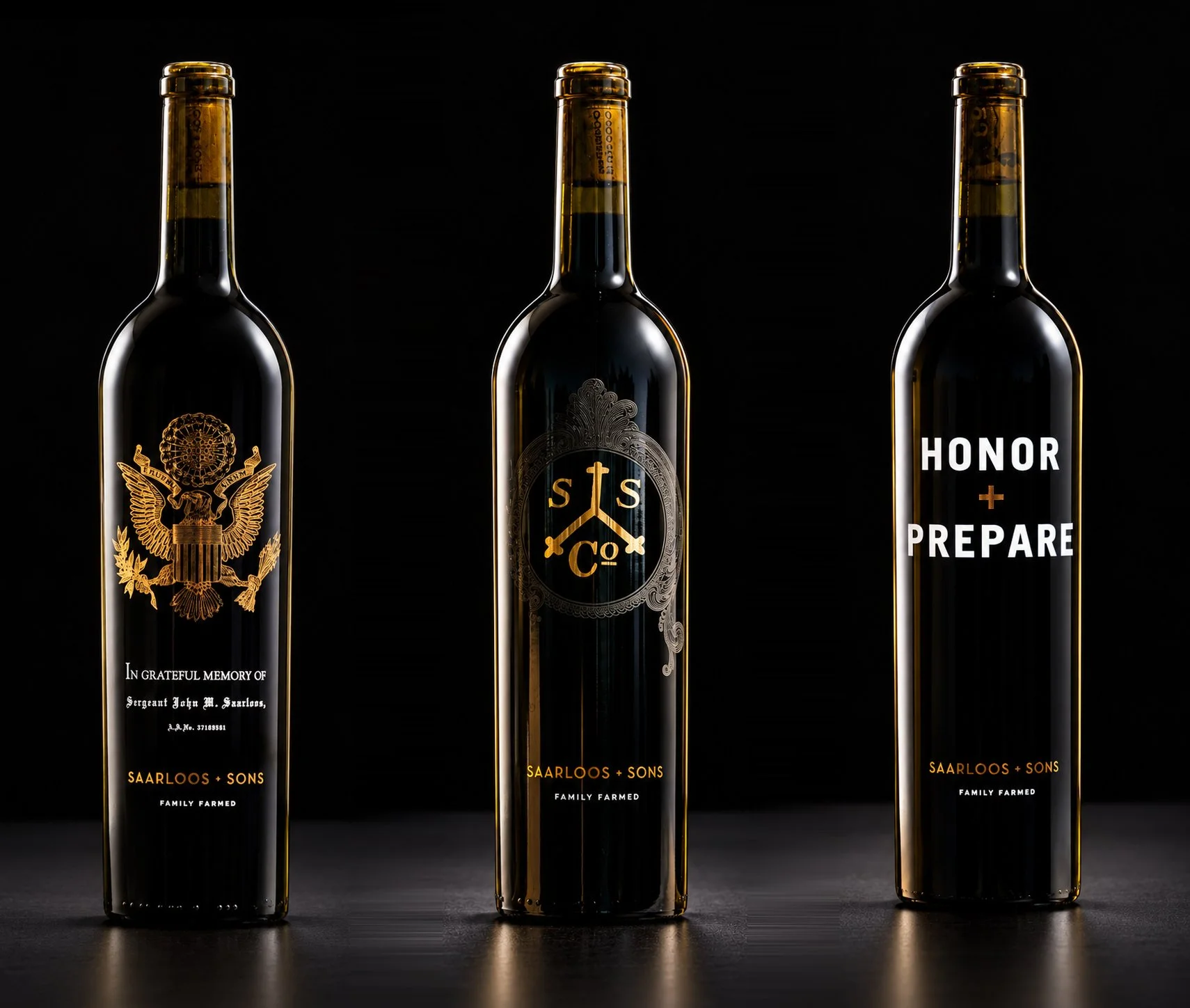
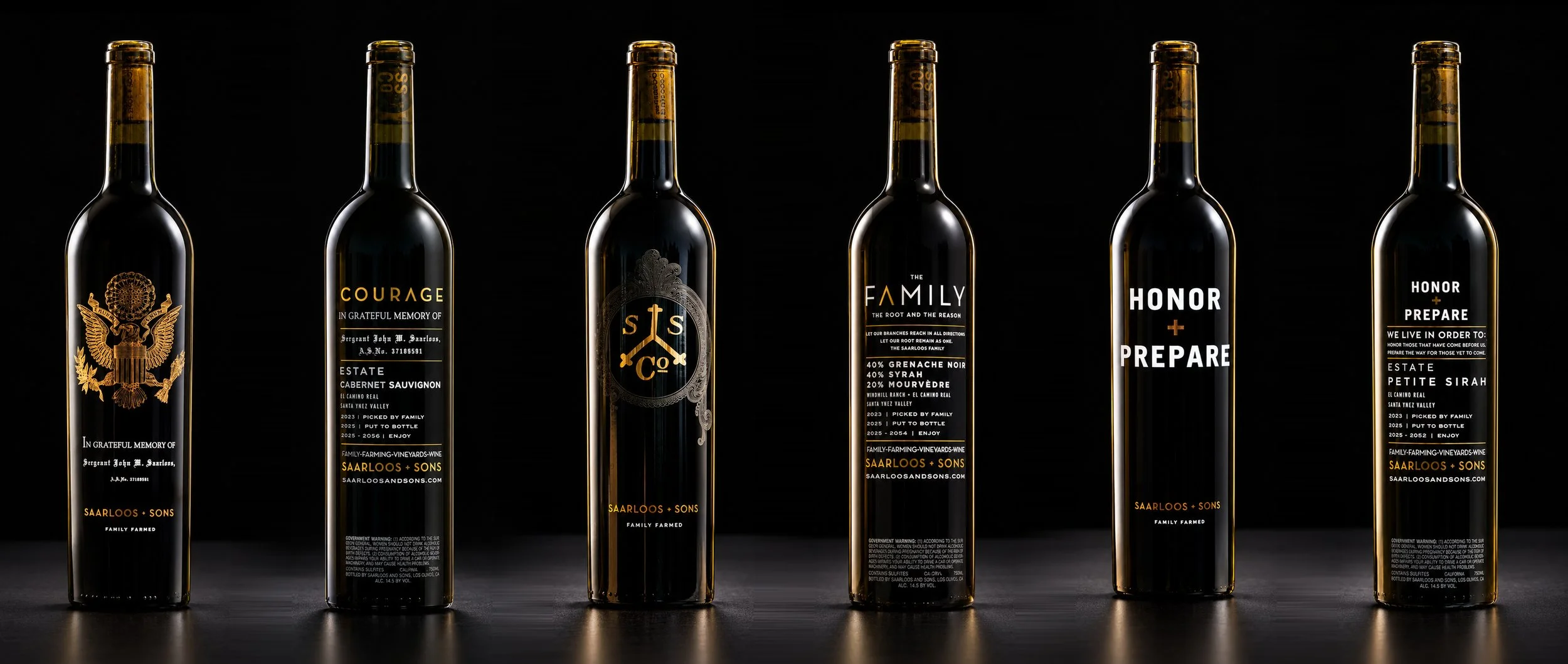
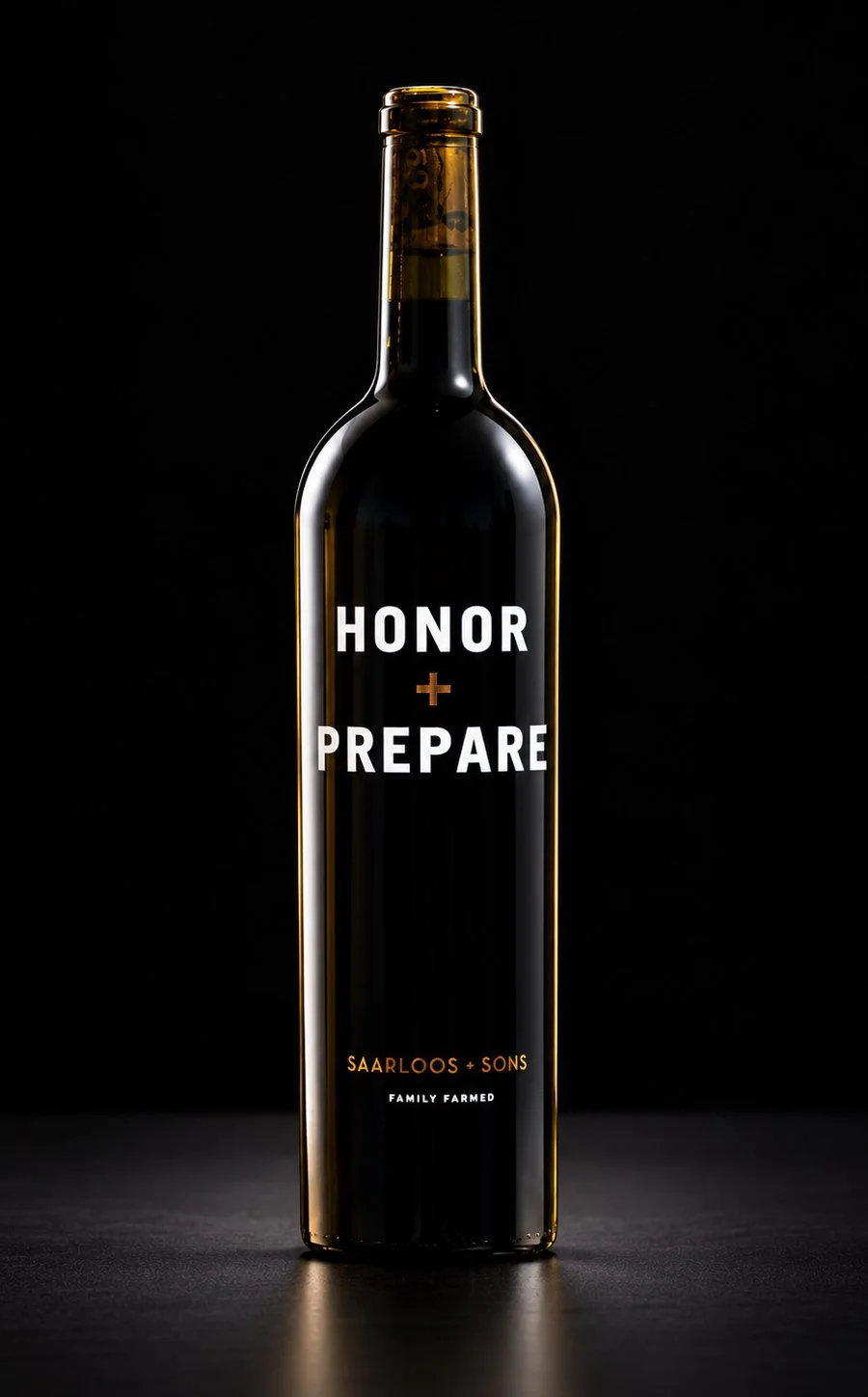
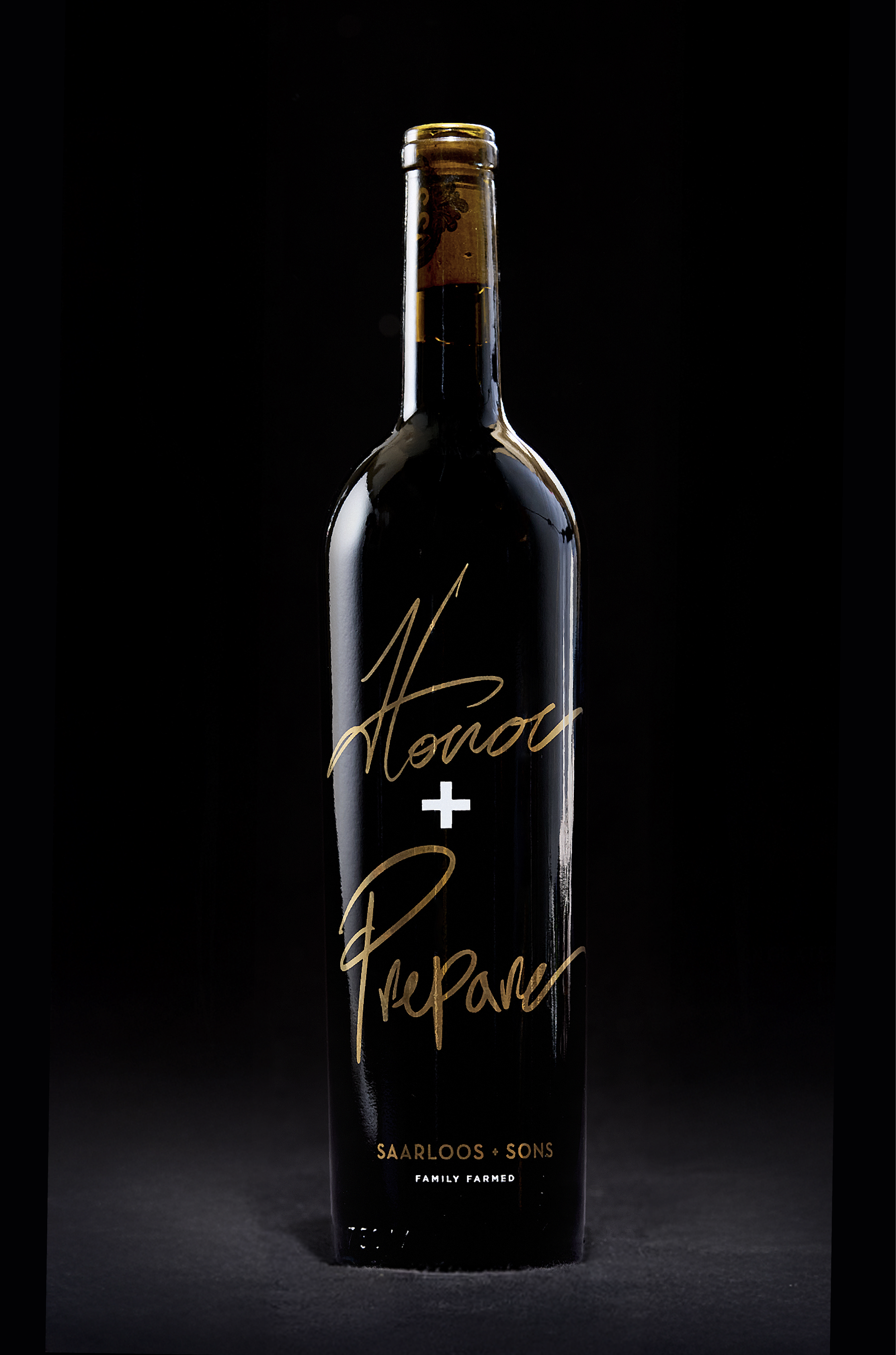
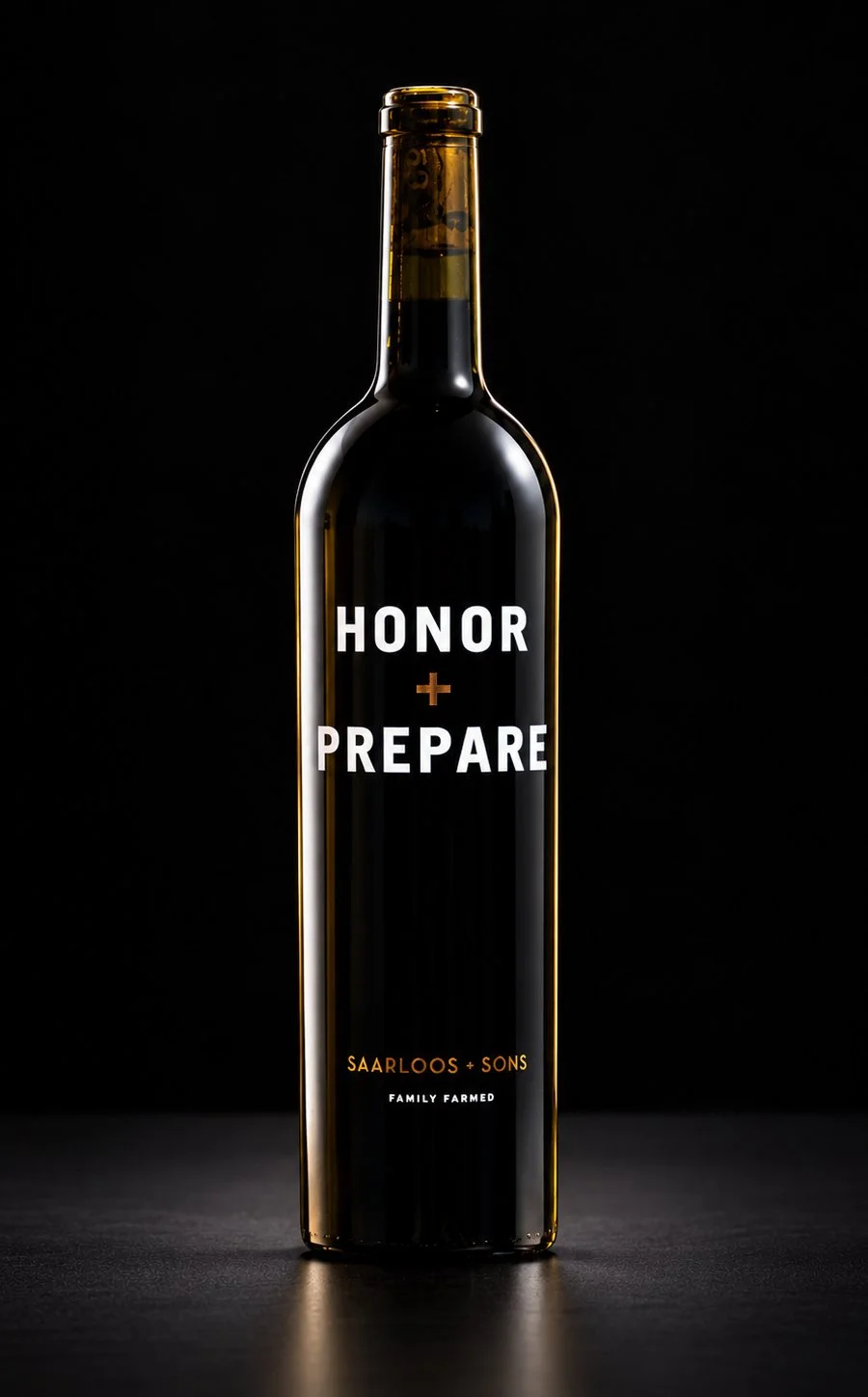
 Image 1 of 3
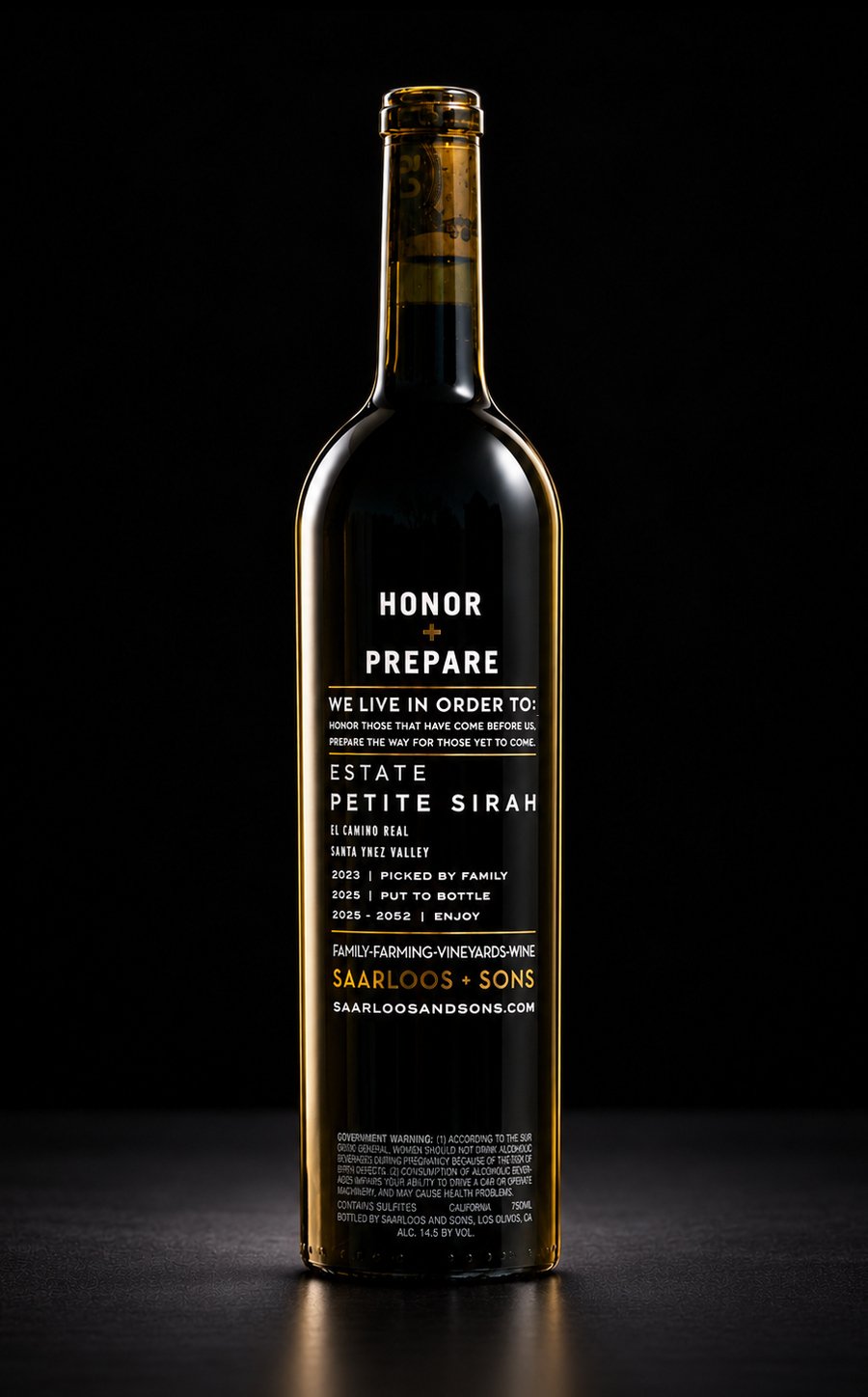 Image 2 of 3
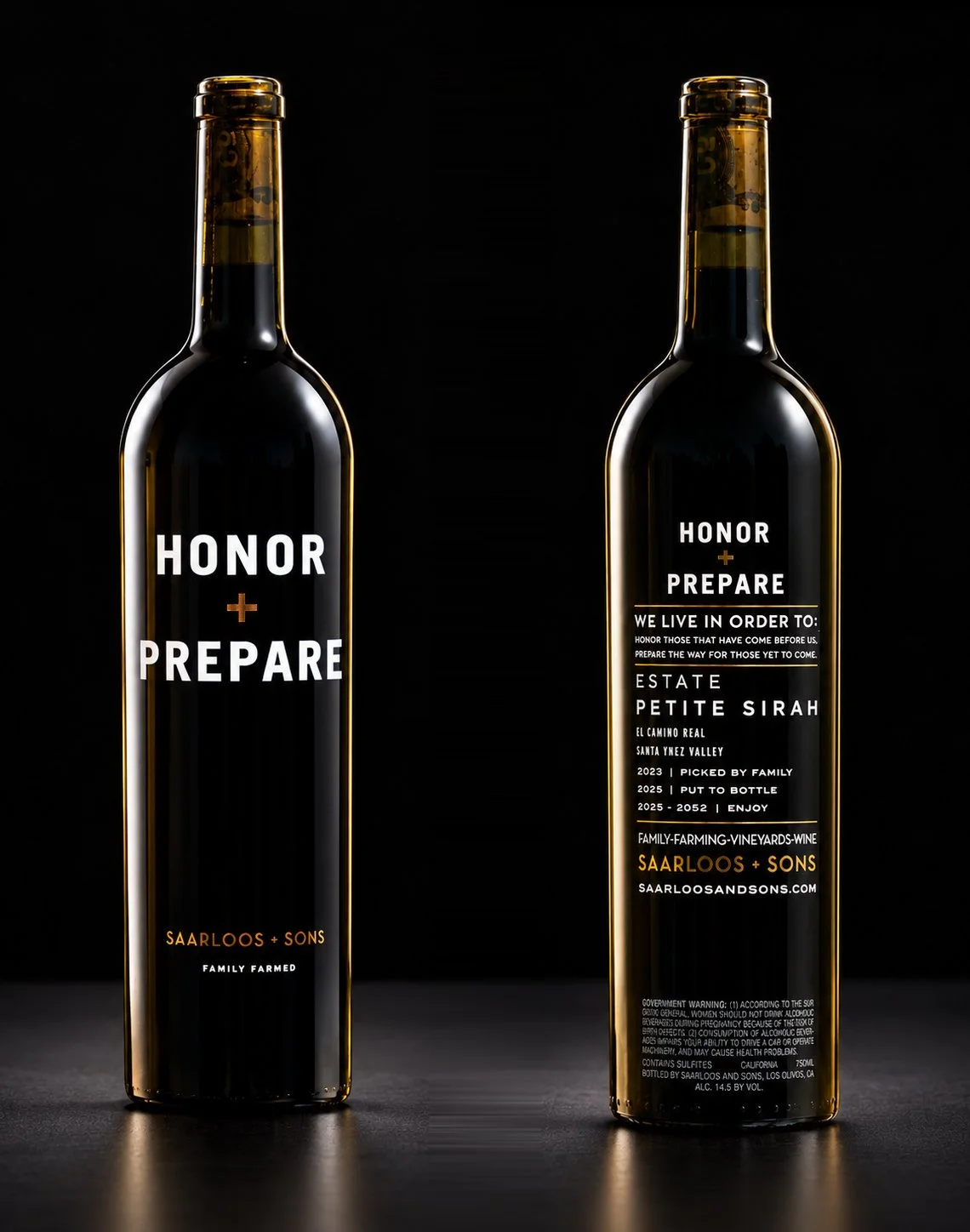 Image 3 of 3
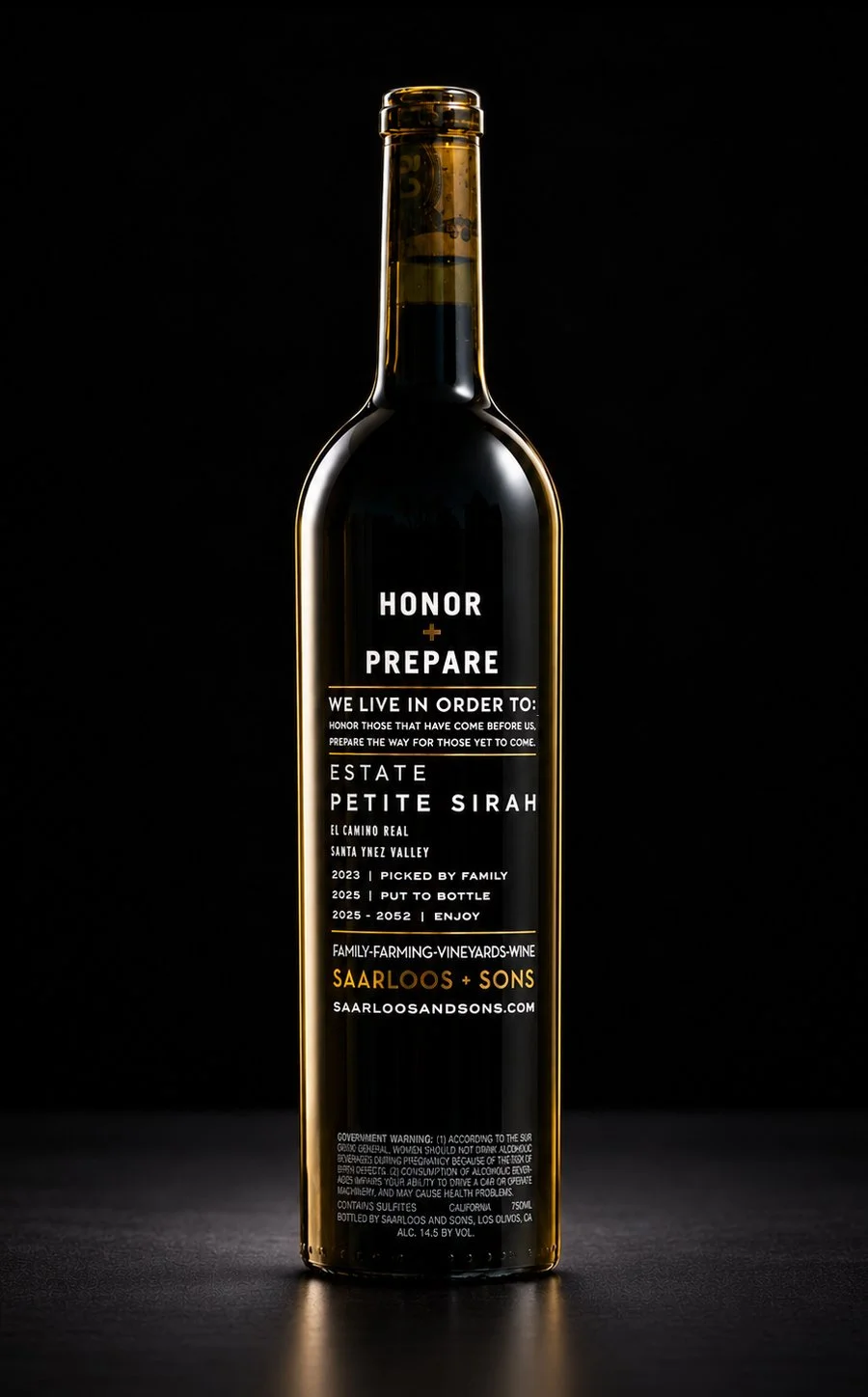
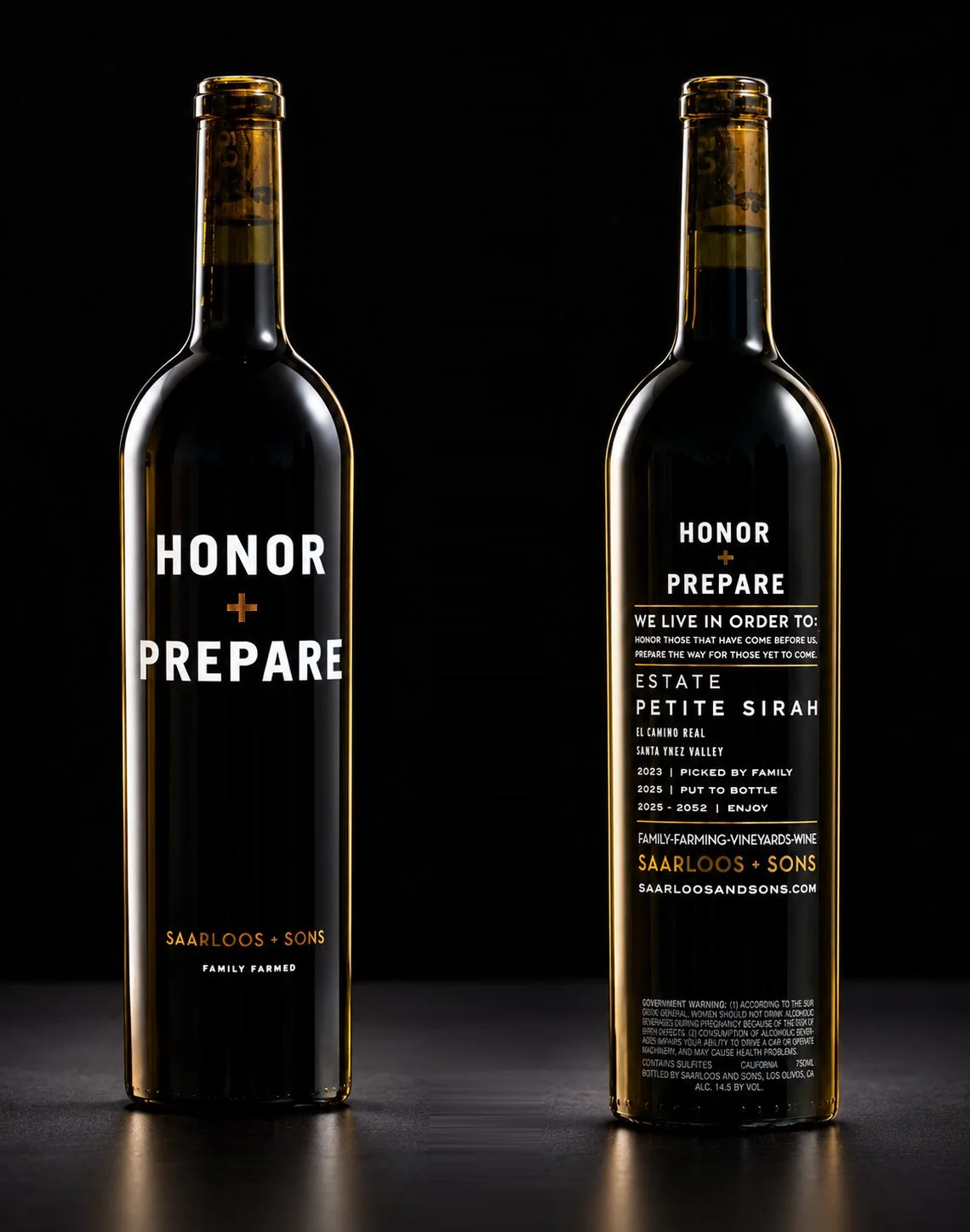
WE HAVE GIVEN OUR LIVES TO THIS STATEMENT - IT DRIVES EVERY ASPECT OF OUR LIVES.HONOR + PREPAREWE LIVE IN ORDER TO:HONOR THOSE THAT HAVE COME BEFORE US +PREPARE THE WAY FOR THOSE YET TO COME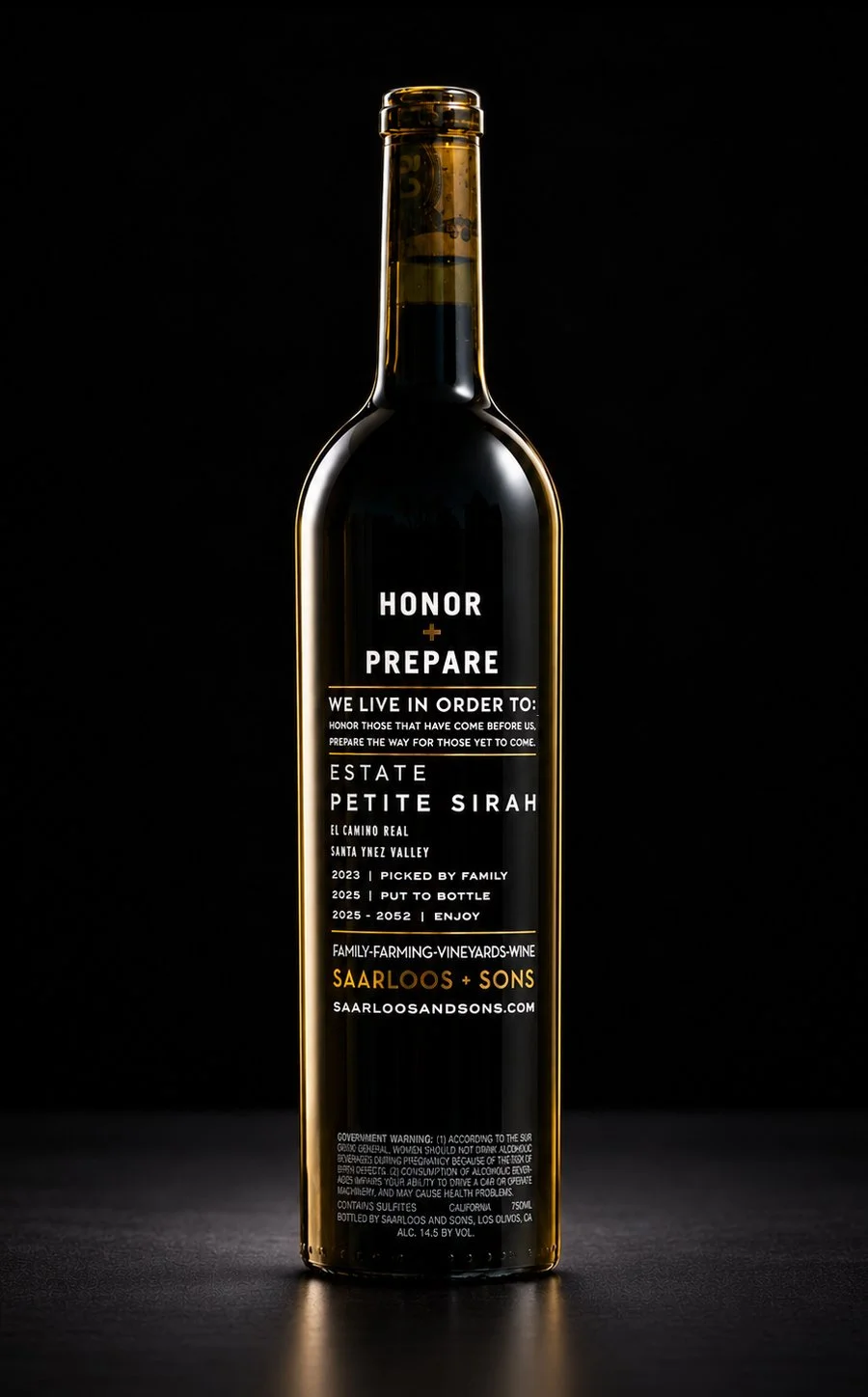
THE CREED IN ACTION
This is the creed our family lives by. It is the contract. To Honor and Prepare. There is nothing else.
“Honor those who have come before us. Prepare the way for those yet to come.” — The Saarloos Family
Another year of living has made those words heavier. Brielle turned twenty-two. Cash turned eighteen. We’re still farming, still making wine, still trying to build something worthy of the people who gave us the chance. But the children we were preparing for are becoming adults, and I’m beginning to see what they’ve been learning while we were busy working.
You spend years wondering whether any of it is getting through. Whether they understand why you get up early, why you keep your word when it becomes inconvenient, why we show up for each other, and why the work matters even when nobody is watching. Then your son comes to help. No phone call. No announcement. He just comes. And you realize you’ve spent years explaining something he has already begun to understand. Someone needs help. You show up. That is the creed taking shape in another person’s life.
This year, Cash wanted to spend his eighteenth birthday with his sister in Texas. Of all the things he could have asked for, he wanted us together. I can tell you about the work, the harvests, the early mornings before school, and the responsibilities he’s taken on. I’m proud of all of it. But that choice meant something to me. He was becoming an adult, and what he wanted was his family.
Brielle is building a life of her own. Texas. TCU. A summer in Washington, D.C. Places and opportunities beyond the world she grew up in. I am proud of her, and leaving Texas still hurts. Both things are true. I understand the assignment. We raised them to become capable people, to walk into unfamiliar rooms, find meaningful work, carry themselves with conviction, and treat people well. Now I have to give them room to do it.
Preparing the way includes learning when to step aside. That has been one of this year’s lessons. I can help build a foundation, but I cannot choose every road they take from it. I can tell them what I believe, but eventually they have to decide how they will live. What I can give them is an example, which means the assignment still belongs to me.
My father’s example continues to ask things of me, too. There are decisions I would give anything to talk through with him. Things I want to show him. Questions I didn’t know to ask when I had the chance. I still have the years I spent watching him work. I have what he taught me, including things I resisted learning at the time, and I have a responsibility to put those lessons to use. Remembering him should change the way I live today. It should make me more dependable, more willing to do the difficult thing, and more grateful for the opportunity to work beside my family.
Honor requires something of the person doing the remembering. So does preparation. In the vineyard, the consequences of our choices extend beyond the season we’re standing in. We work ground we intend to keep farming. We care for vines we want to remain healthy. We make decisions knowing someone else will eventually live with the results. I think about that more now. What condition will we leave this place in? What will our children understand about the work it took? Will they know they have the freedom to build their own lives and the responsibility to care for what has been entrusted to them?
Those questions reach past the vineyard. They belong in our home, in the way Heather and I raise our children, in the way we speak
Tasting Notes & Tie-Ins
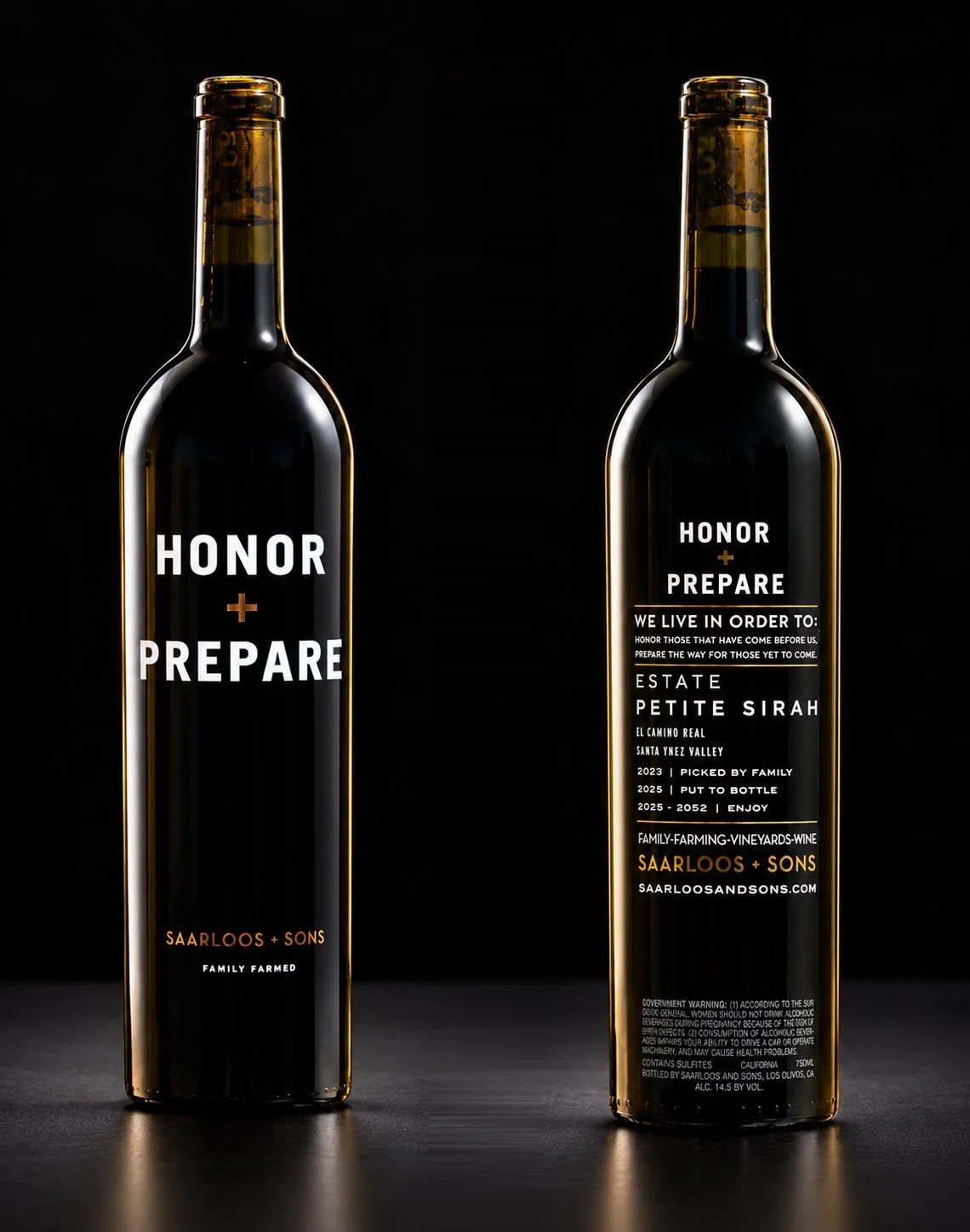
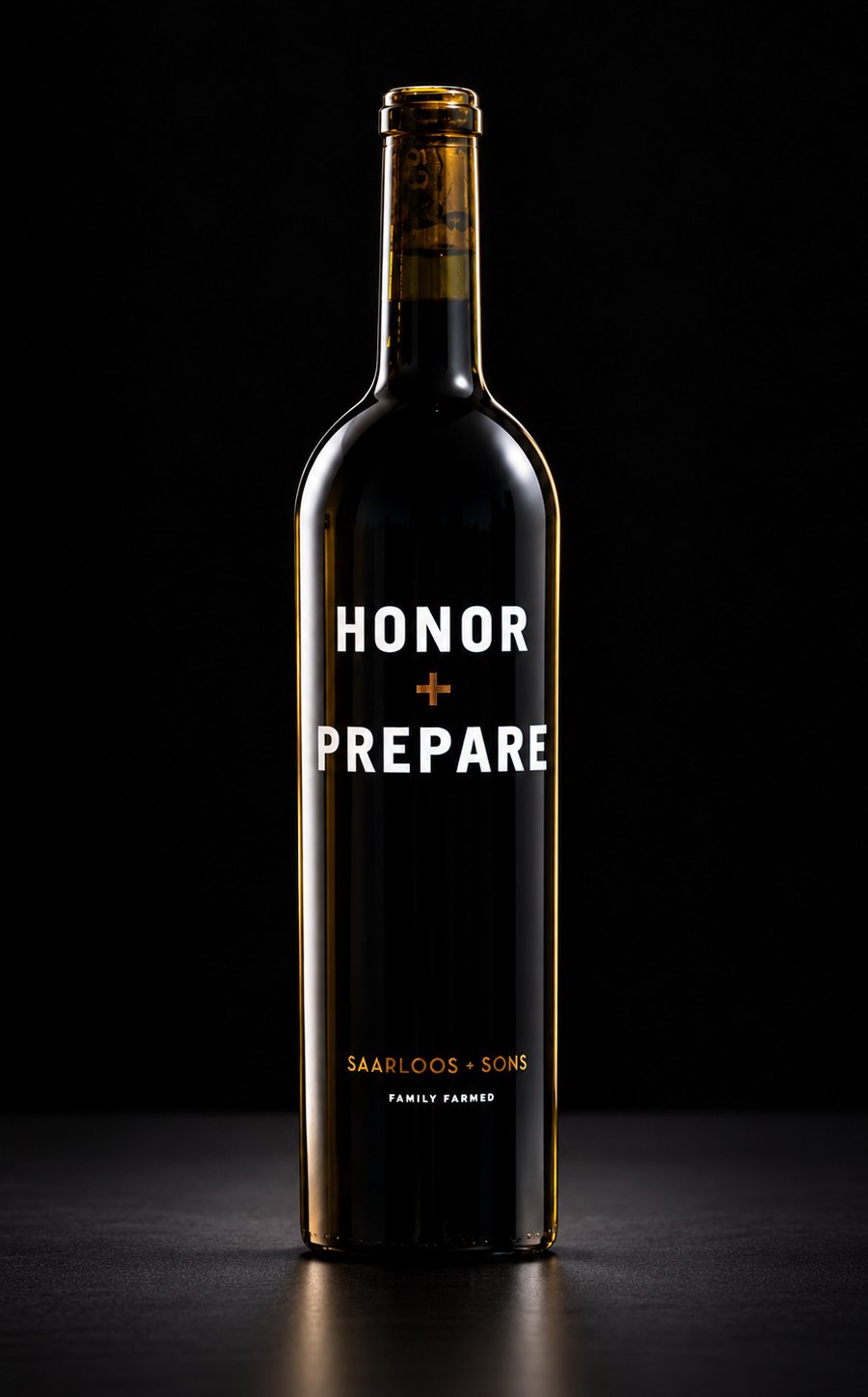
HONOR + PREPARE 2023
Estate Petite Sirah | El Camino Real Vineyard
This is a wine I want with dinner after a day outside. Something substantial. A plate you carry with two hands. Boots by the door, the work finished enough to leave it alone until morning, and people around the table who are glad you finally sat down.
Blackberry. Black plum. Dark cherry. Those are the flavors I’d build this description around, with the 2023 open beside us to make sure we get it right. Think of a blackberry picked ripe enough to stain your fingers. A plum you eat over the sink because you know what’s coming. Fruit with some weight to it. That is the language I want for this wine: something you can recognize without looking it up.
Then get into the pepper, cocoa, and savory side. The pepper should make you think about dinner. The cocoa is closer to the dark, slightly bitter end of chocolate than a candy bar. And if cedar belongs in the finished note, describe it simply: a dry wood aroma behind the fruit, giving it another layer. We farm grapes. We can explain what they became without making anybody feel like they need a degree to drink them.
For the table, give me a thick steak with a proper crust. Salt. Cracked pepper. Enough heat to brown the outside while the middle stays the way you like it. Let it rest, slice it, and keep those juices on the plate. I want a bite of beef, a sip of Petite Sirah, and another bite because the first two worked so well together.
Put some potatoes beside it. Roasted until the edges turn brown, with soft centers and enough salt that you notice. Or a baked potato split open while it’s still steaming, butter disappearing into the middle. This bottle can sit comfortably beside a meal that somebody was hungry enough to look forward to all afternoon.
There is something satisfying about a meal that takes time without needing your attention every second. You do the preparation, get it going, and let the hours finish their part. Farming teaches you to respect that arrangement. So does wine. You still have to pay attention. You just cannot hurry every stage because you are ready to eat.
I’d put tri-tip in this conversation, too. A browned outside, a juicy center, sliced across the grain. A cutting board that needs wiping down afterward. Beans beside it, bread to catch what’s left, and a table where nobody is taking a photograph before they take a bite. Start tasting the wine with that meal and see which part comes forward: the dark fruit, the pepper, or the savory finish.
The texture matters as much as the flavor. Petite Sirah has a reputation for tannin, but I want to describe what this particular bottle actually does. Does it grip? Does it soften with air? Does the fruit open up once there’s food on the table? That is useful information. “Firm” should tell you something you can feel when you take a sip.
Open it while you’re getting the meal ready. Have a taste. Give it some air and come back when the food is done. Let the bottle show you whether it needed that time. Some wines become easier to understand over dinner than they ever will standing at a counter trying to find the perfect adjective.
And then there are the leftovers. A steak sandwich the next day, sliced beef in a warm tortilla, potatoes reheated in a pan until they get their edges back. A good meal keeps giving you reasons to appreciate it. I like that. There is honest satisfaction in taking care of something well enough that you get to enjoy it again.
We grew this for a reason. I hope you open it for one.