 Image 1 of 4
 Image 2 of 4
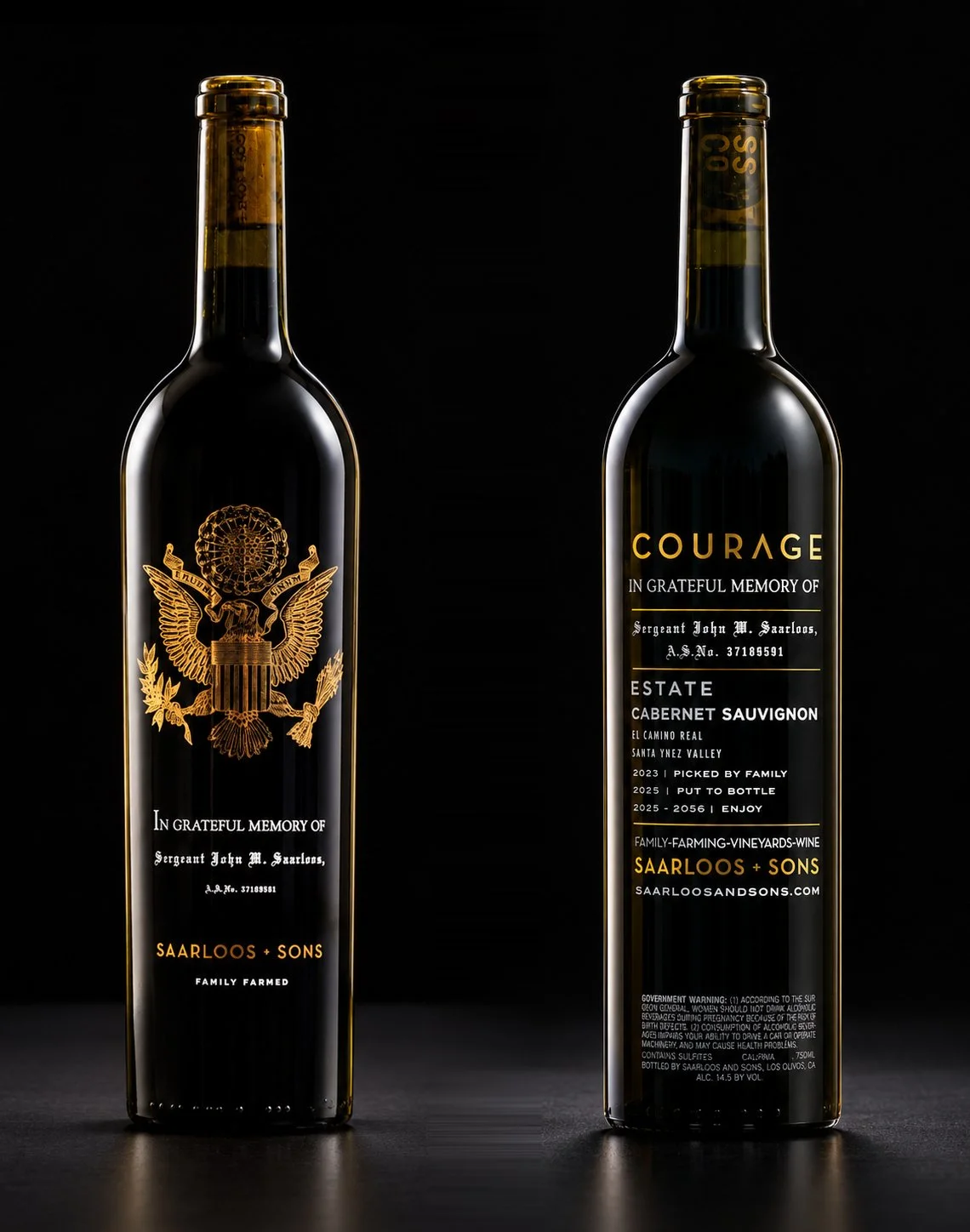 Image 3 of 4
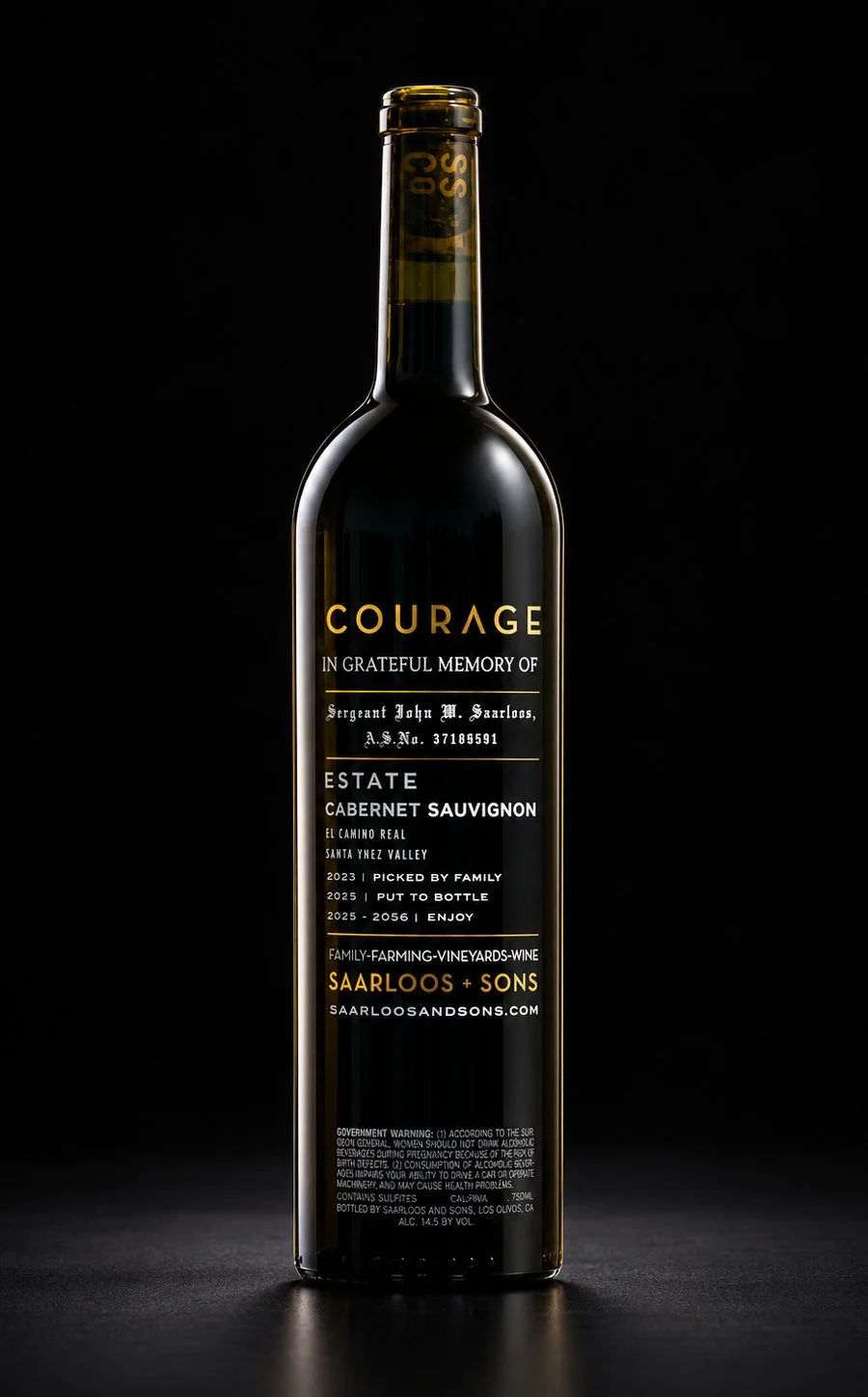 Image 4 of 4
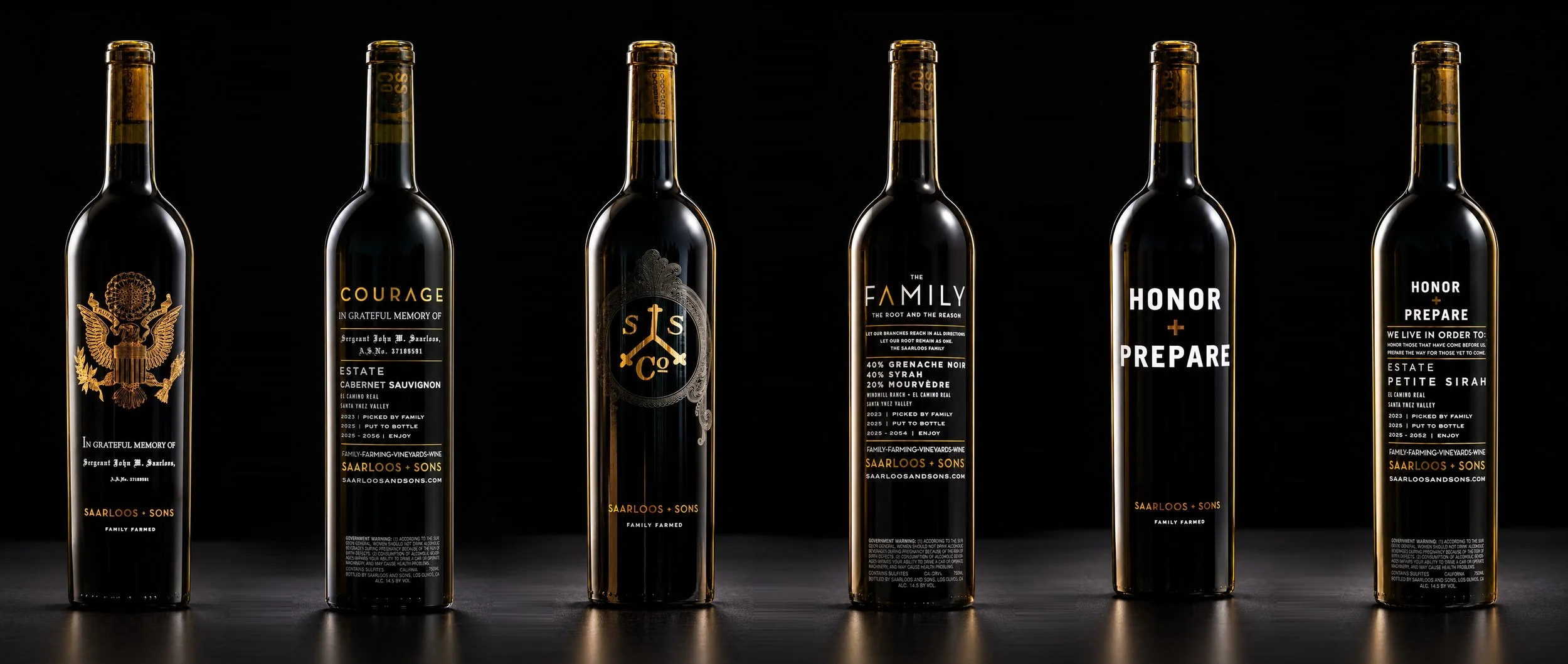
WE DON’T MAKE WINE. WE HONOR THOSE WHO CAME BEFORE US. WINE IS THE PROOF THAT THE LEGACY ENDURES.
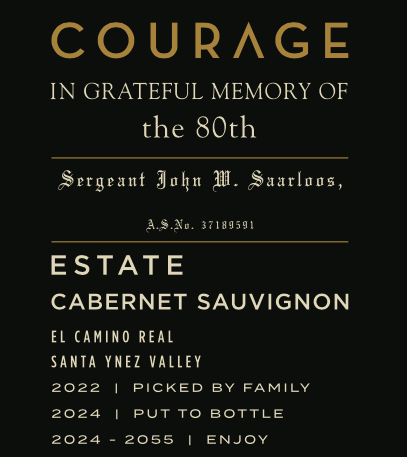
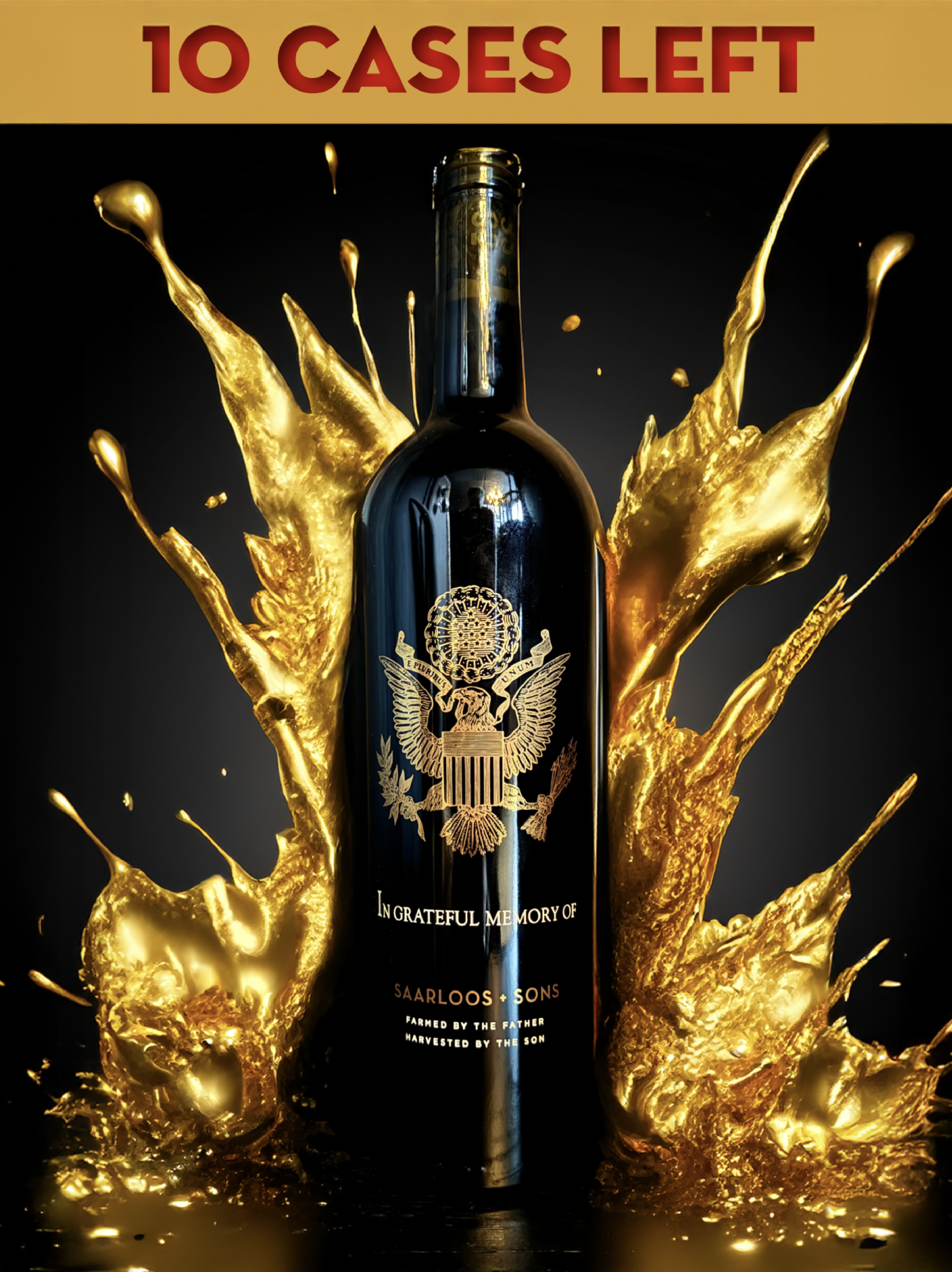
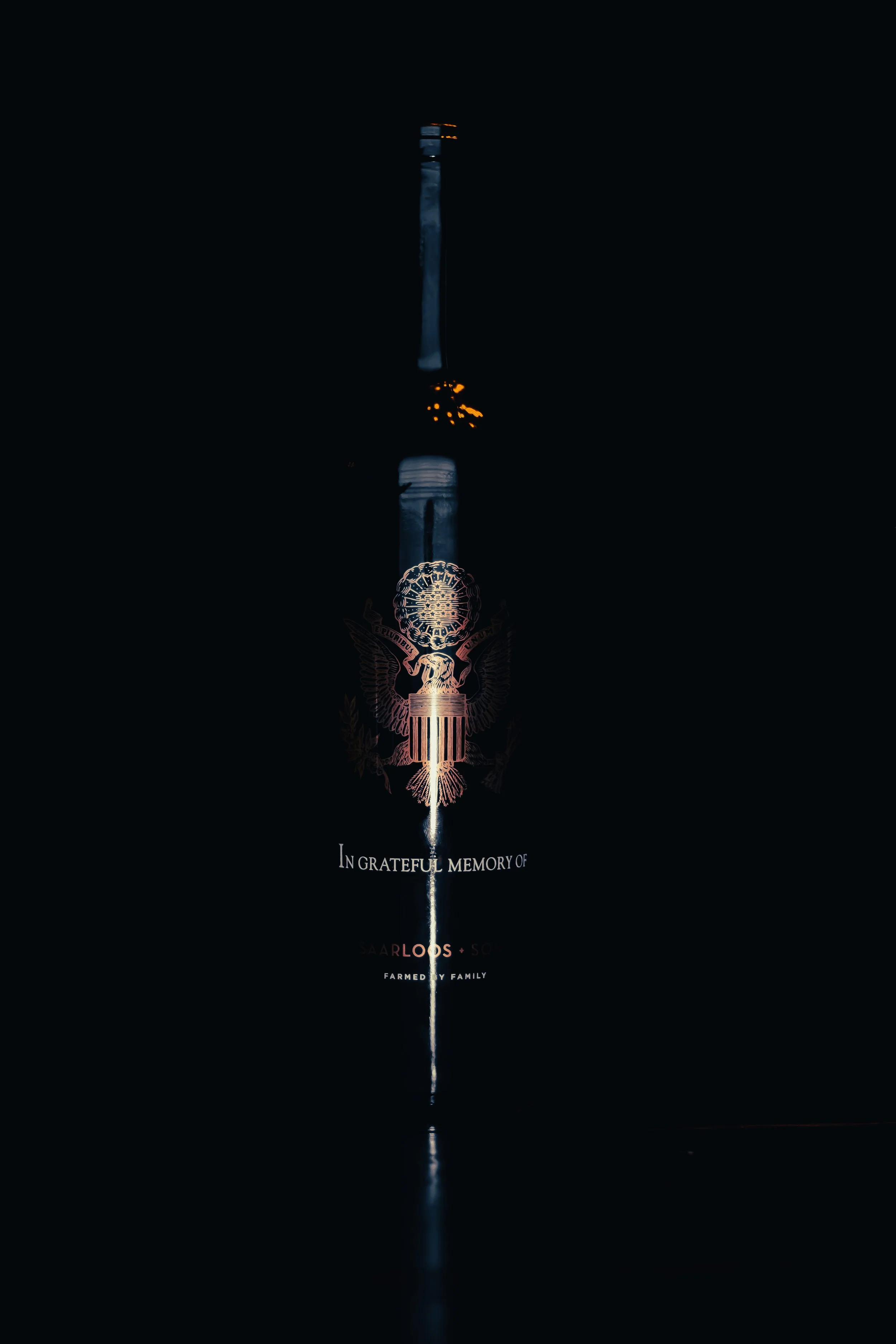
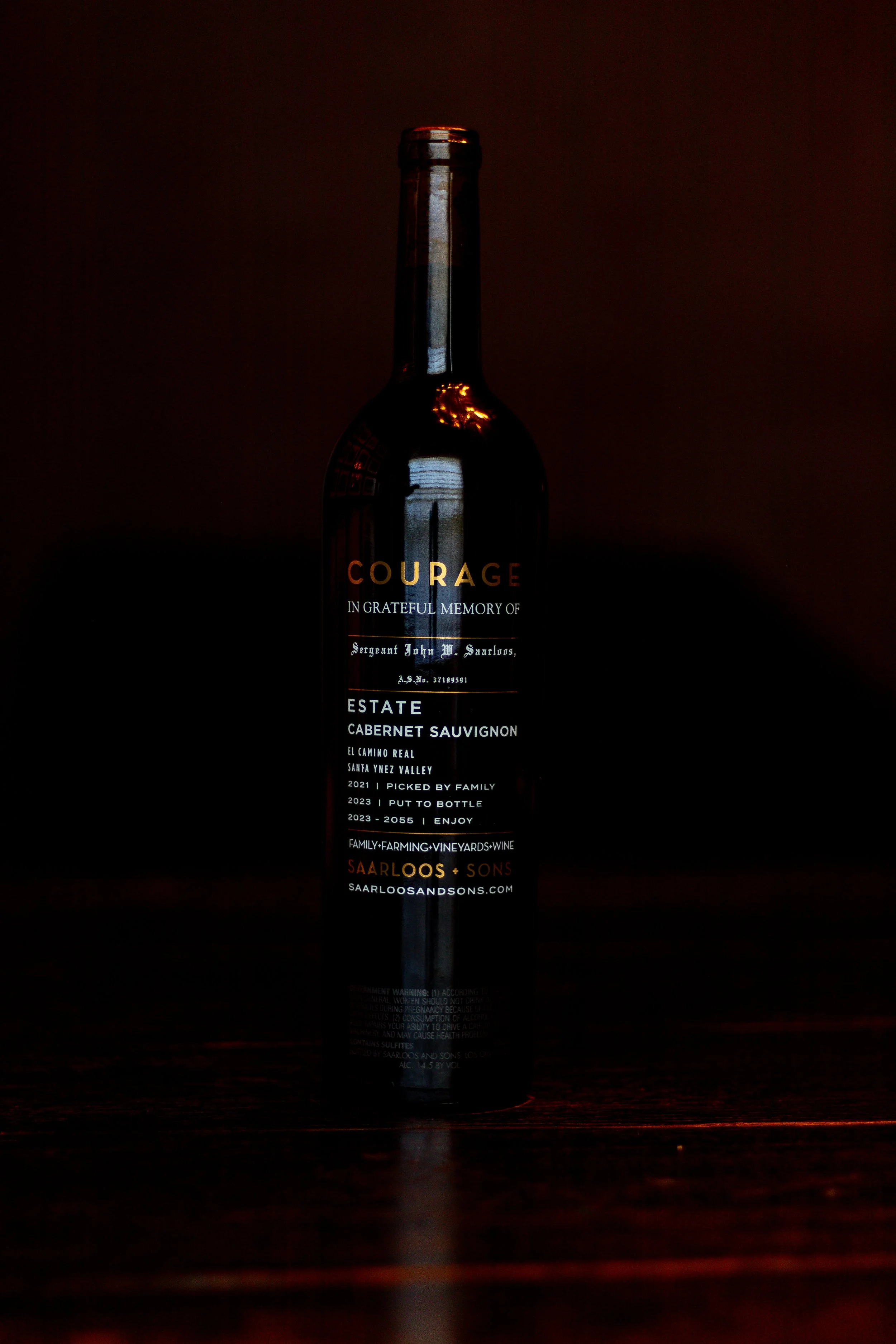
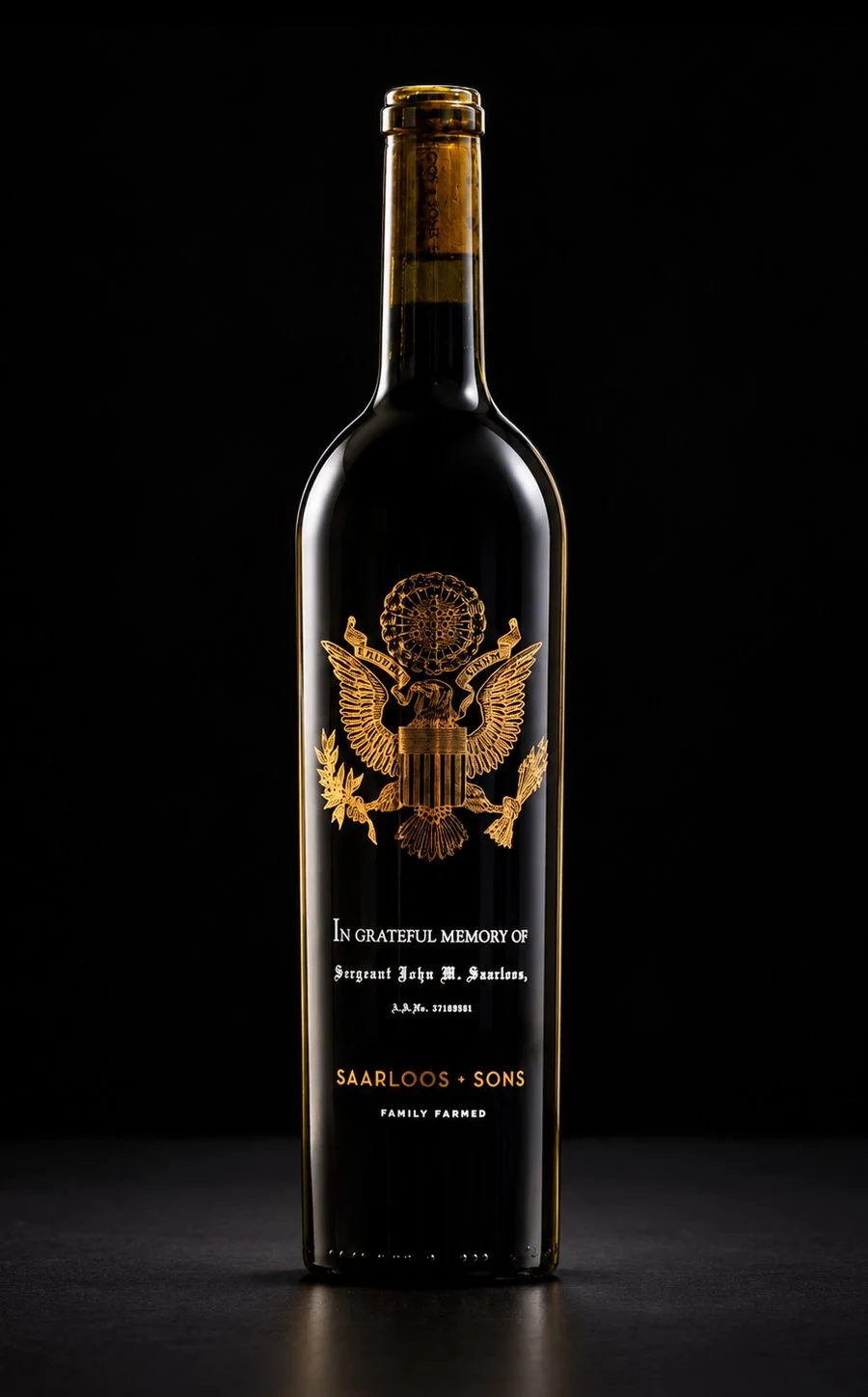
COURAGEIn Grateful Memory of The 80th
YOU DIE TWICE.
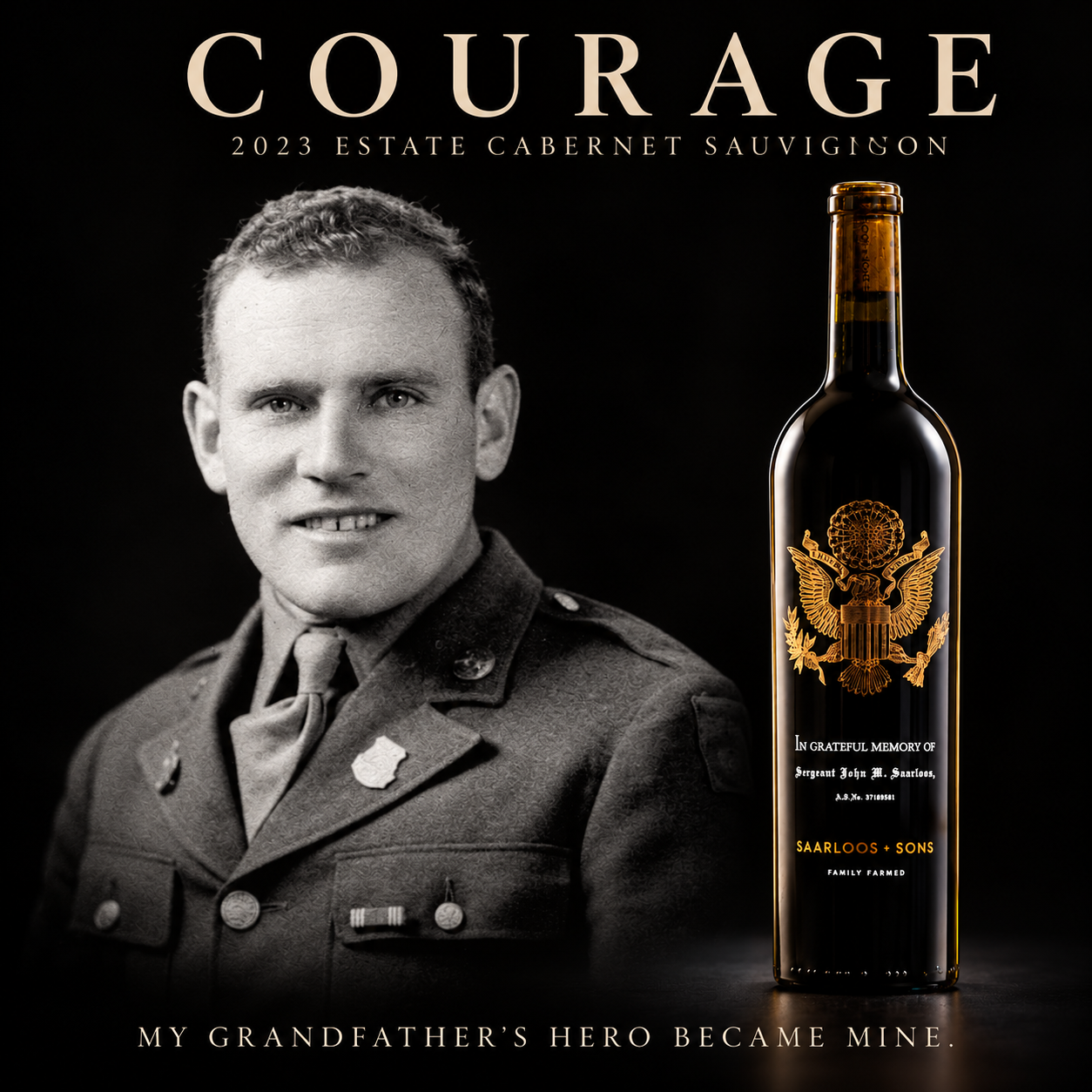
Sergeant John W. Saarloos
WILL NOT…
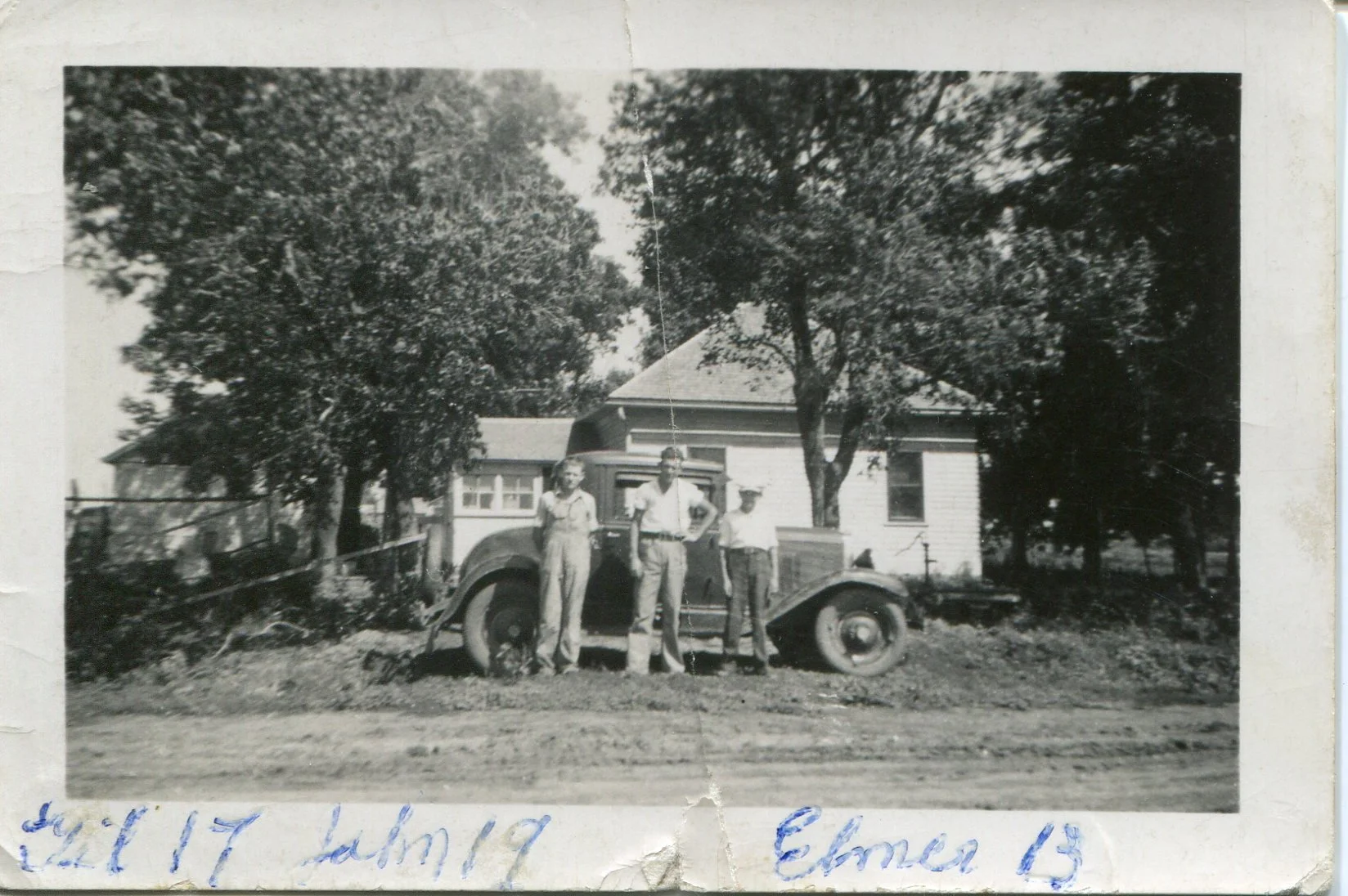
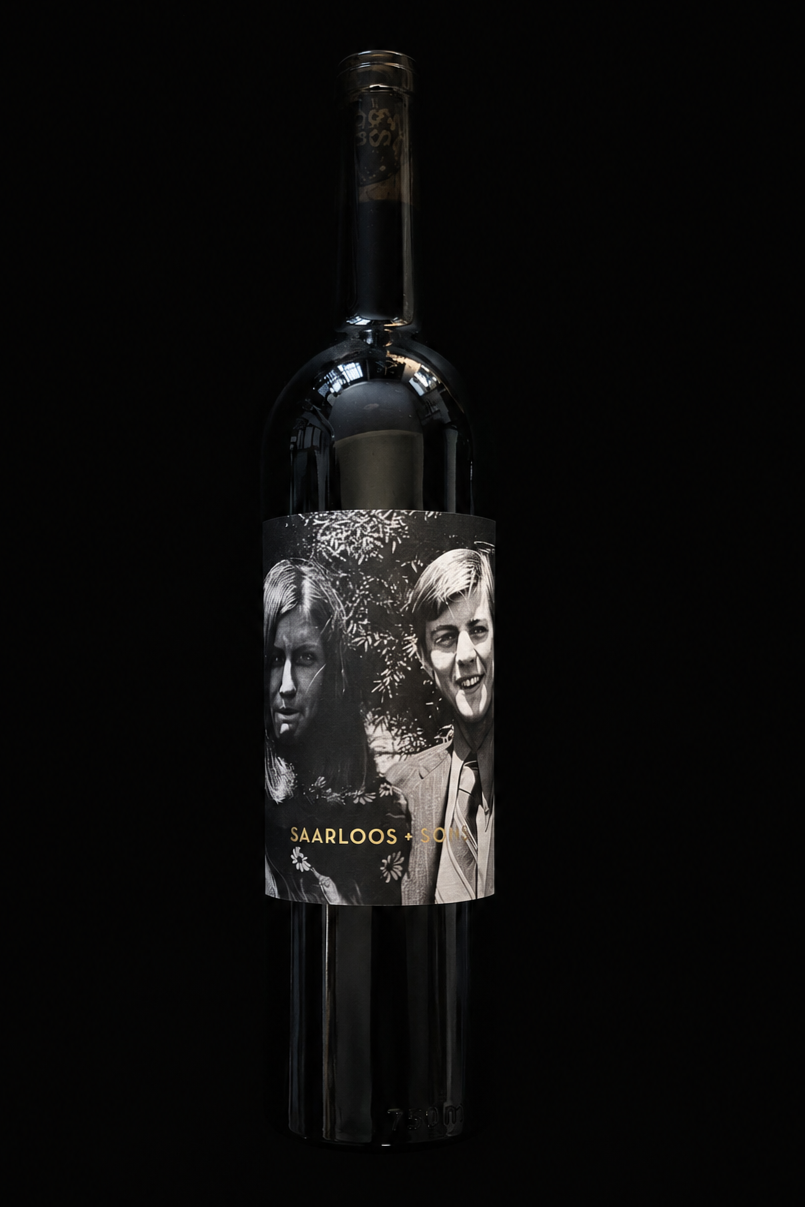
They say you die twice. Once when your body gives out, and again when someone says your name for the last time. I think about that second one. The day a name stops being spoken. When the people who knew you are gone, the photographs lose their names, and nobody is left to explain who you were or why you mattered. We make this wine to make sure that never happens to Sergeant John W. Saarloos. John was my grandfather’s older brother. A farmer’s son from Iowa who lost his father while he was still a boy and stepped into the work of keeping his family together. There was a farm to run, a mother who needed him, and younger brothers and a sister who were counting on him. Before he ever put on a uniform, before he went to war, he had already become my grandfather’s hero. He showed him what it meant to get up when you were hurting, to work when you were tired, and to take care of the people who depended on you. Then John went to war. He never came home. My grandfather lived the rest of his life missing his brother, but he kept him present in ours. Even years later, a strong man with a family and a lifetime of his own could still tear up talking about John. I remember being a boy and watching that happen. At first, I couldn’t understand how someone he had lost so long ago could still feel so close. As I got older, I began to understand. My grandfather was telling me about the person who had helped him become the man I knew. He wanted me to know his brother. He wanted me to understand what John had done for their family, what he had carried, and how much he had been loved. And because my grandfather kept saying his name, his hero became mine. After we lost Dad, I understood another part of that story. There was work waiting for me that I didn’t feel ready to carry. There were mornings when I missed him so much I didn’t know how to get moving, and a family counting on me whether I felt ready or not. I thought about John. I thought about a boy in Iowa who had lost his father and still had to get up and help keep everyone fed. I could ask myself how he had found the strength to do it, but I suspect there were plenty of mornings when he didn’t feel strong either. He just got up. That example helped me put my boots on. It still does. I cannot call John and thank him. I cannot sit across a table from him, introduce him to Heather and the kids, or tell him how much his younger brother loved him for the rest of his life. I wish I could. What I can do is keep saying his name. I can tell my children about him. I can put his name on something our family has grown, worked for, and made with our own hands. Every bottle of COURAGE gives us a chance to tell his story again. Someone picks it up, looks at the eagle, reads his name, and asks who he was. And I get to tell them. I get to talk about my grandfather’s brother, the farm boy who helped hold his family together, the man who went to war and never returned, and the example that still reaches us all these years later. For a moment, someone who never knew John remembers him with us. That matters to me. My children know his name now. They know why it is on this bottle and why I get emotional telling the story. Someday, I hope they will stand with their own children and explain it, the way my grandfather explained it to me. I hope they will understand that remembering someone takes a little work. You have to tell the story. You have to write the name on the back of the photograph. You have to answer the questions and make time for the conversation, even when you have told it before. Especially then. We make this wine to keep the memory of John Saarloos alive. We make it because my grandfather loved his brother enough to make sure I knew him, and I intend to carry that responsibility forward. Sergeant John W. Saarloos. My grandfather’s hero. My hero. They say you die twice, and I could do nothing about the first. But as long as I am alive, that second death will never happen to John Saarloos. We will keep saying his name. In Grateful Memory.
— Keith Saarloos
Each morning when I wake up, I have a reminder set — “For Here Am I, Send Me.” It’s from the Bible. God asks, “Whom shall I send?” and I think about that verse every single day of my life. When I wake up and it’s dark and cold, when my to-do list is longer than it was yesterday, when the dirt feels heavier and the day feels like a fight — that reminder is waiting. Because as a farmer, the day is waiting for you. The work is waiting for you. If you don’t do it, it won’t get done, and tomorrow it’ll still be there, staring you in the face. Some mornings, it’s hard to get up. It’s hard to pull on your boots. It’s hard to walk out that door and face it again. But that reminder — that call — it’s waiting. And my answer is waiting for me to summon the courage to say it: “For Here Am I, Send Me.” After we lost Dad, when his life and his work and his weight all fell onto my shoulders, I didn’t think I could do it. The weight was unbearable. I missed him. I wasn’t sure I could fill those shoes, keep it all together, carry the load. But I had a family counting on me to rise — to become stronger, to bear the weight, to not just keep it going, but to keep it alive. There wasn’t a choice. I had to summon the courage to move forward. And every time I questioned myself — every time I hit that wall — I thought of John Saarloos. How he lost his father as a boy. How he took the family farm on his back to support his mother, sister, and brothers. How my grandfather admired him for it — how even years later, a strong man in his own right, he would tear up at the mere thought of his brother. Because to him, John wasn’t just his brother. He was his hero. His example. The man who showed him what it meant to step up when the world fell apart. He was just a child when his father died, in the middle of the Great Depression in Iowa — but he looked around at what needed to be done, and he said, in his own way, “For Here Am I, Send Me.” That’s what gets me. He didn’t have a choice either. He just stood up. He became my inspiration. He became my hero. Because if he could do it, then so could I. When my great-grandmother remarried, the farm — the only thing he had ever known — went to the new family. So John and my grandfather both enlisted. Two brothers, ready to serve. But the military made the call — they would only take one. They didn’t want to risk losing both sons of the same mother. They took the older brother and sent the younger home. And so John went. “For Here Am I, Send Me.” From that moment on, those six words became a thread in our family’s fabric. They carried us through loss, through harvest, through heartbreak. Because that’s what courage really is — not the absence of fear, but the presence of purpose. It’s moving forward when your heart and your head tell you to stop. It’s being scared and doing it anyway. It’s standing up and saying, “Send me,” when you’d give anything to stay home. That’s why this wine carries his name. That’s why it’s called COURAGE. Because the least we can do — eighty years later — is to remember him, to honor him, to say, when it’s our turn: “For Here Am I, Send Me.”
I think about John Saarloos Each Day - My Grandfathers Hero has Become Mine.
He could have Let His Family Fall Apart. But He Did Not. He summoned the Courage and took 5 words, “For Here Am I, Send Me”
and Set the Example. One I live by to this day 80 Years Later.
Thank You John.
- Keith Saarloos
June 6, 1944
John Saarloos was a part of that invasion. When I stop to think about what the Weeks, Days, Hours, Minutes and the Final Seconds that led to that moment..... My mind seems to shut off.


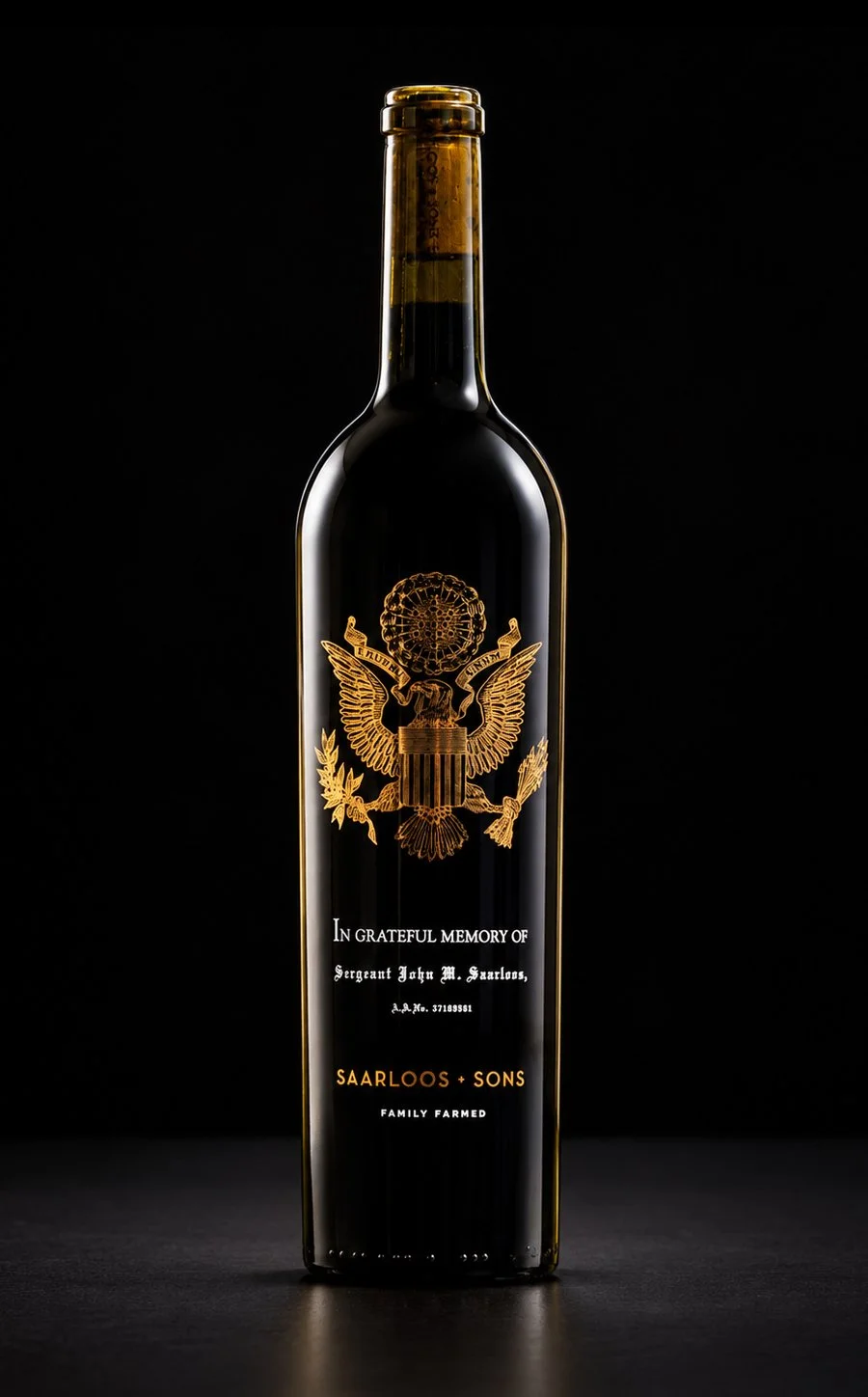

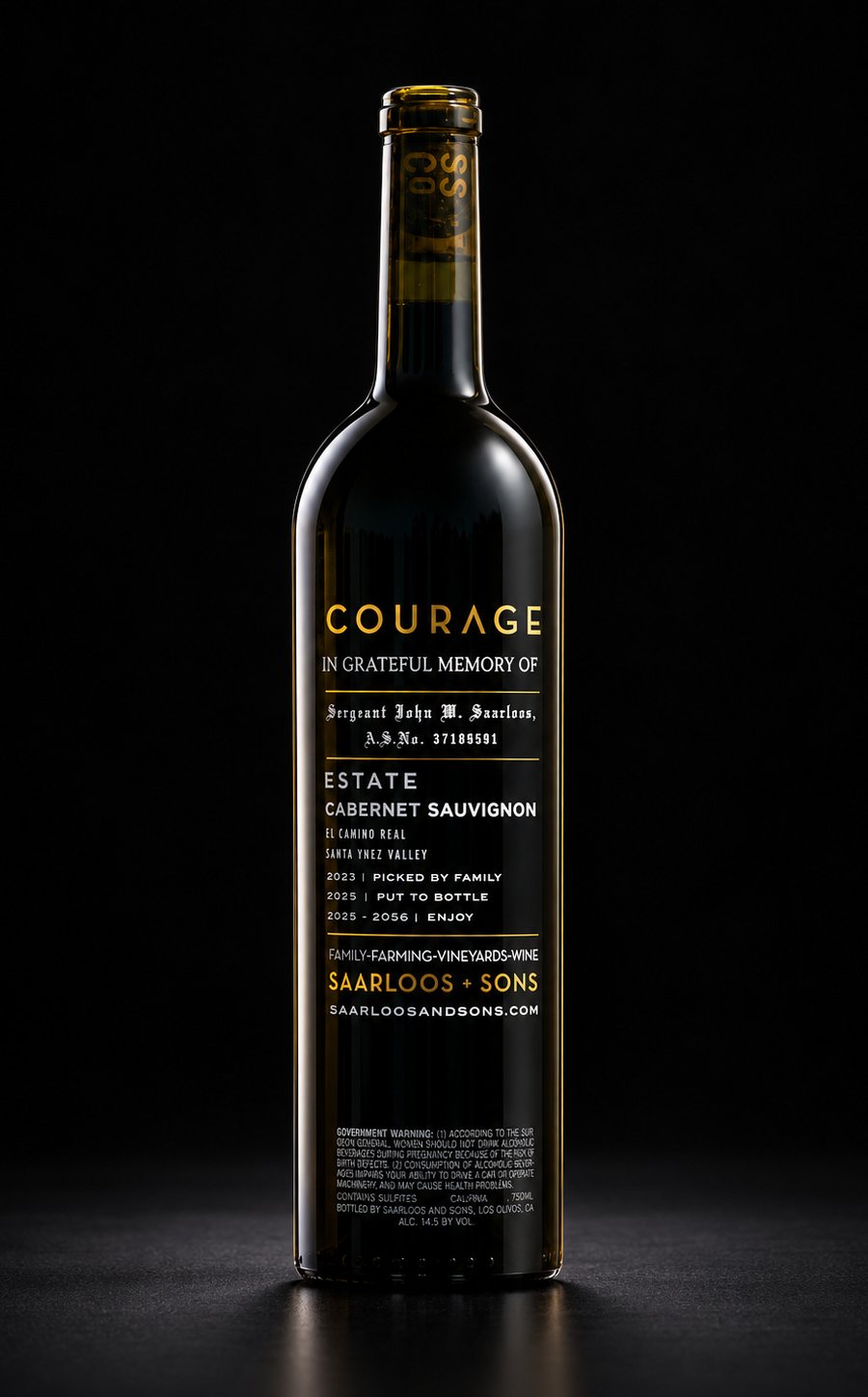

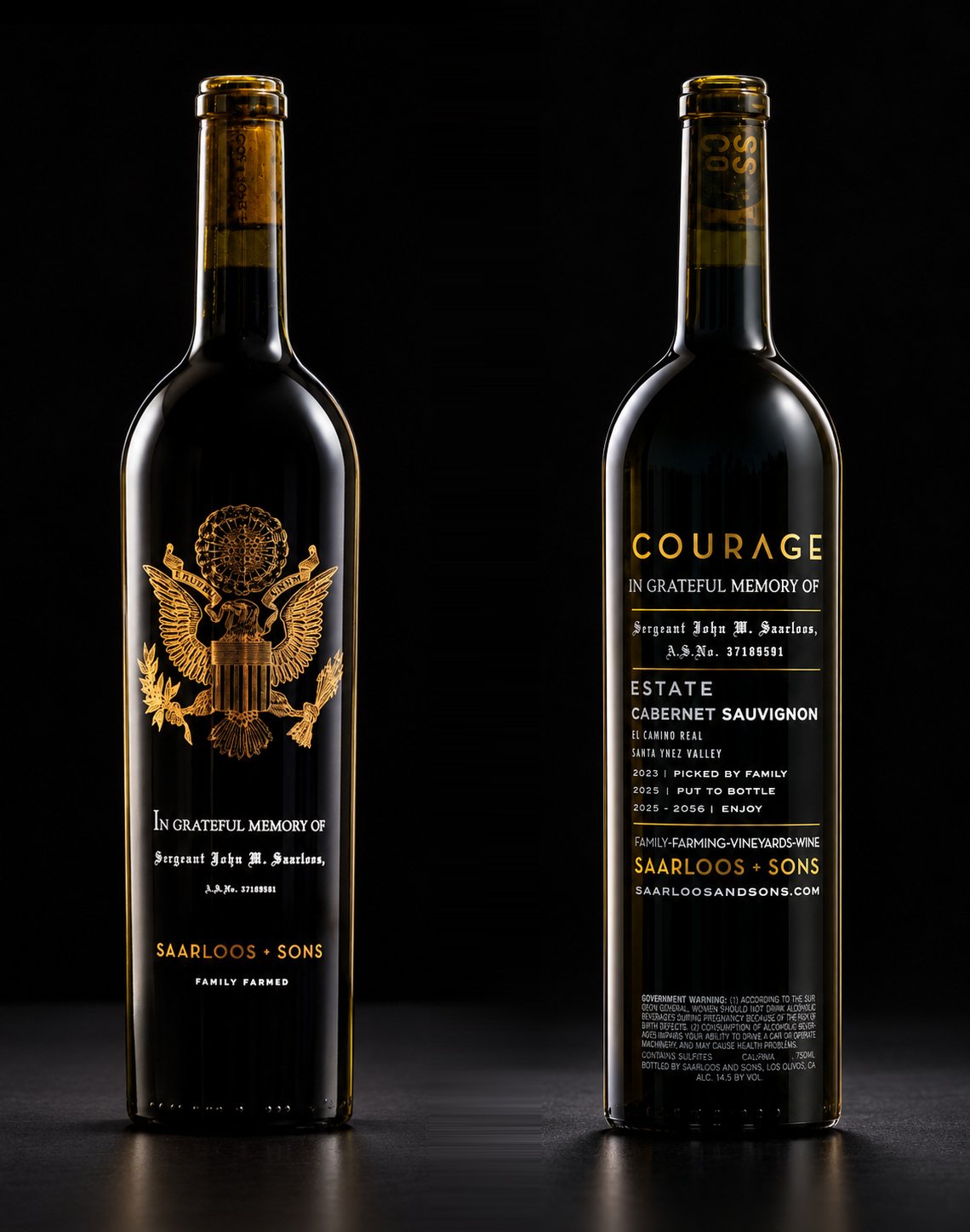
To be standing on a boat, crossing a channel, your Iowa farmboy face stinging with sea salt, every inch of you soaked as you shoulder up to strangers who’ve become brothers, staring out into a vastness that must have felt like an eternity away from home. There’s no sugarcoating it—this was hell. Every single second was like a strange mercy and a slow-burning terror all at once. You’d signed up for this, but nobody’s mind can really prepare for it. One second, gone. Another inch closer to what you feared most. The same hands that once held tools for bringing life from the soil now gripped a weapon, holding life and death in the balance.
John Saarloos was the son of a farmer, the eldest of three brothers and a sister. When his father passed young, John, just a boy, stepped into a role few could understand, let alone hold steady. He left school, took the reins, became the man of the house. They called it a “ten-horse farm”—ten horses needed just to work the land. It was a grind few of us today could imagine. John kept things moving. He fed his family, kept my grandfather in school. John held the family together, honoring his father and laying the path for those yet to come.
To my grandfather, that older brother—the one who picked up the pieces and held them all together—that brother was his hero. To a kid with no dad, John wasn’t just big brother; he was legend, the one who shouldered all the weight, who showed by example what it means to rise to an occasion you didn’t ask for. John honored and prepared.
But things changed. When my great-grandmother remarried, it was like a new captain taking over the ship. And John’s time as the anchor was over. The home he’d grown up in now had a new father, and for a young man who’d been “man of the house” for so long, stepping back into a role as someone else’s son wasn’t an option. So John and his younger brother, Gilbert, both enlisted. They wanted to stand as men, to protect and defend the land they loved, to honor their own family roots.
At enlistment, they took John and sent Gilbert home. The military’s logic—don’t risk losing both brothers to war.
One stays. The other goes. And sometimes I think, what if… What if John had stood behind my grandfather that day instead of in front? What if they had both gone? If that had happened, I wouldn’t be here. My children wouldn’t be here. And you wouldn’t be reading this now. Just that tiny shift of fate. Sometimes it’s those smallest moments that cast the longest shadows.
John went to war. He told my grandfather, “I probably won’t be back.” My grandfather, now rootless, headed west to California, a man on his own, without a father, without his older brother. He found his footing, found my grandmother, and built a life. And there’s a stack of photographs of them, my grandfather crossing the country every chance he got, finding his brother in Texas, California, and New York. No plane tickets, no easy calls—just raw love, pure loyalty. John meant the world to him, and in turn, he meant the world to us.
One day, when I was a kid, we sat at my grandparents' house watching TV. I saw a howitzer firing and thought it looked cool, the way a kid would. I couldn’t have been older than eight or nine. My grandfather, usually quiet and calm, looked at me and said, “There is nothing cool about that.” I didn’t understand. Later, under a tree, he told me about John. I felt then, for the first time, how much he loved his brother, missed him, and looked up to him. And from that moment, his hero became mine.
As I trace these red threads through our family’s story, I see moments knotted in time, bound to people who lived as they believed was right. They didn’t know they were creating a legacy; they just did what had to be done. John didn’t preach to his brother; he lived his life, and his brother watched. And that’s how it goes. My grandfather carried on in his brother’s honor; his sons watched him, and I watched them. And now I hope to do the same, to live in such a way that this message carries on, that someday my children will live in the light of it too.
Sergeant John W. Saarloos, A.S.No. 37189591, died on June 12, 1944, in Cherbourg, France, during Operation Overlord. A tank fired on a church tower, sheltering a sniper, and as the tower fell, it claimed John’s life.
In a letter signed by Franklin D. Roosevelt, it’s written:
“HE STANDS IN THE UNBROKEN LINE OF PATRIOTS WHO HAVE DARED TO DIE THAT FREEDOM MIGHT LIVE, AND GROW, AND INCREASE ITS BLESSINGS. FREEDOM LIVES, AND THROUGH IT, HE LIVES - IN A WAY THAT HUMBLES THE UNDERTAKINGS OF MOST MEN.”
I read this almost every day. And every time, I think, “God, grant me the strength to live up to that.” To make sure he would be proud. To make sure he is remembered and that his story doesn’t fade.
John never asked to be on a bottle of wine.
But nearly 80 years later, to not honor him would be a real injustice.
In Grateful Memory.
Drink it with Pride in Your Heart.
Here is to John.
Our Hero.
Keith Saarloos

Written on a letter signed by Franklin D. Rosevelt
HE STANDS IN THE UNBROKEN LINE OF PATRIOTS WHO HAVE DARED TO DIE
THAT FREEDOM MIGHT LIVE, AND GROW, AND INCREASE ITS BLESSINGS
FREEDOM LIVES, AND THROUGH IT, HE LIVES -
IN A WAY THAT HUMBLES THE UNDERTAKINGS OF MOST MEN
I read this almost every day,
I think to myself, God, grant me the strength to live up to this statement.
To make sure he would be proud of us,
To make sure that he is not forgotten,
That he doesn't die that second time.
John never wanted to be on a bottle of wine.
But 70 years later, it would be a travesty for him not to be.
In Grateful Memory