What Horses Know About You Before You Do | Inside Roundbarn Ranch | Episode 56

Chopping It Up with Keith Saarloos · Released July 31, 2026 · Santa Ynez Valley, California
About this conversation
What if a horse could show you something about yourself before you had the words to explain it?
In Episode 56 of Chopping It Up with Keith Saarloos, Keith sits down with Justine Schreyer Lewin, founder of Roundbarn Ranch and Co., and co-founder Victoria “Tori” Fertitta Mortensen for a powerful conversation about horses, human behavior, authenticity, loss, joy, and rediscovering who we really are.
Roundbarn Ranch and Co. is a Santa Ynez Valley nonprofit built around the horse-human connection. Through Equine-Guided Education, participants work alongside horses to develop greater self-awareness and practical tools for navigating personal and professional challenges.
This is not horseback riding—and it is not therapy.
It is a non-clinical, future-focused experience where horses provide immediate, honest, and completely nonjudgmental feedback. Because horses respond to body language, emotions, energy, and authenticity, they often recognize what we are carrying long before we are ready to admit it ourselves.
Keith, Justine, and Tori discuss:
- What horses can teach us about being human
- How horses mirror human emotions and behavior
- The difference between Equine-Guided Education and equine therapy
- Grief, loss, healing, and rediscovery
- Authenticity, trust, leadership, and self-awareness
- Why no previous horse experience is required
- Ground-based experiences involving grooming, groundwork, and problem-solving
- Creating corporate retreats and personal-growth experiences
- Making these opportunities financially accessible
- Why Roundbarn is “not for everyone, but for anyone”
- Learning to disconnect from the noise and reconnect with yourself
- Why joy can be one of the most practical tools we possess
This is a conversation about horses—but it is really a conversation about people, the things we carry, and what becomes possible when we finally become honest with ourselves.
Learn more about Roundbarn Ranch and Co.:
https://www.roundbarnranchandco.com/
Explore Roundbarn experiences:
https://www.roundbarnranchandco.com/enterthebarn
Follow Roundbarn on Instagram:
https://www.instagram.com/roundbarn_ranch/
Listen, follow, and share Chopping It Up with Keith Saarloos with someone who needs to hear this conversation.
From Keith’s original Valley archive
The following material is preserved from the original episode post. Existing transcript text is an archive copy and may contain transcription errors.
Episode 56: What Horses Know About You Before You Do | Inside Roundbarn Ranch
In Episode 56 of Chopping It Up with Keith Saarloos, Keith sits down with Justine Schreyer Lewin, founder of Roundbarn Ranch and Co., and co-founder Victoria “Tori” Fertitta Mortensen to explore what horses can teach us about being human. Located on a 70-acre horse ranch in California’s Santa Ynez Valley, Roundbarn Ranch and Co. is a nonprofit organization offering non-clinical Equine-Guided Education experiences designed to develop self-awareness, authenticity, confidence, communication, trust, leadership, and a deeper connection with ourselves and others.
Keith, Justine, and Tori discuss how horses perceive human emotions, body language, energy, intention, and the moments when what we show externally does not match what we feel inside. They explain the difference between Equine-Guided Education and equine therapy, what happens during Roundbarn’s ground-based horse experiences, and why no previous horse experience is required. The conversation also explores grief, personal loss, rediscovery, boundaries, leadership, corporate retreats, nonprofit accessibility, and the remarkable ability horses have to offer immediate, honest, and completely nonjudgmental feedback.
More than a conversation about horses, this episode examines the masks people wear, the stories we tell ourselves, and what can happen when we slow down, disconnect from the noise, and allow ourselves to be truly seen. It is a powerful look at the horse-human connection, the founding of Roundbarn Ranch and Co., and the lessons these extraordinary animals can teach us about authenticity, joy, healing, purpose, and being human.
Learn more about Roundbarn Ranch and Co.:
https://www.roundbarnranchandco.com/
HEARD ON KRAZY COUNTRY 105.9:
https://www.krazfm.com/
-
Who is ROUNDABARN RANCH
WHO IS ROUNDBARN RANCH AND CO.?
Roundbarn Ranch and Co. is a 501(c)(3) nonprofit organization in California’s Santa Ynez Valley that uses the horse-human connection to help people develop greater self-awareness, authenticity, confidence, communication skills, and practical tools for navigating life.
Founded by Justine Schreyer Lewin and co-founded by Victoria “Tori” Fertitta Mortensen, Roundbarn offers non-clinical Equine-Guided Education experiences at a 70-acre horse ranch on California’s Central Coast.
Roundbarn was born from Justine and Tori’s shared experiences with grief, loss, personal transformation, and the search for a different approach to self-discovery. Justine began her career as a clinical social worker before returning to her childhood connection with horses. Tori brought decades of experience in brand strategy, storytelling, and turning ideas into practical systems.
Together, they developed what has become known as The Roundbarn Way—a philosophy and experiential learning process inspired by horses, ranch values, the natural world, and the lessons people discover when they become fully present.
What Is Equine-Guided Education?
Equine-Guided Education, also called EGE, is an experiential learning approach that uses guided interaction with horses to help participants develop personal and professional skills.
Unlike traditional classroom education, Equine-Guided Education allows participants to learn through direct experience. Horses respond immediately to human body language, emotions, energy, intention, boundaries, and authenticity. Their responses can help people recognize patterns in the way they communicate, lead, build trust, manage emotions, make decisions, and relate to others.
As prey animals, horses are exceptionally aware of their surroundings. They notice subtle changes that humans often overlook—including the moments when a person’s outward behavior does not match what they are feeling internally.
A horse cannot be impressed by a résumé, job title, reputation, or carefully constructed story.
It responds to the person actually standing in front of it.
That honest and nonjudgmental response is what makes the horse-human connection such a powerful tool for self-awareness and personal growth.
Is Roundbarn Ranch Equine Therapy?
No. Roundbarn Ranch and Co. does not provide psychotherapy or clinical equine therapy.
Roundbarn provides non-clinical, future-focused Equine-Guided Education centered on self-discovery, experiential learning, and skill development. The experience may feel deeply meaningful or therapeutic to participants, but it is not presented as mental-health treatment and does not replace care from a licensed medical or mental-health professional.
Maintaining that distinction is an important part of Roundbarn’s work.
What Happens During a Roundbarn Experience?
Roundbarn experiences use guided, ground-based activities such as:
-
Connecting with and observing horses
-
Grooming and caring for horses
-
Groundwork and communication exercises
-
Boundary and trust-building activities
-
Collaborative problem-solving
-
Personal reflection and documentation
-
Exploring emotional and behavioral patterns
-
Developing practical tools for future situations
Participants do not ride the horses, and no previous horse or ranch experience is required.
The objective is not to become a better rider. It is to learn more about being human through the remarkably honest feedback horses provide.
Roundbarn experiences can support the development of:
-
Self-awareness
-
Authenticity
-
Emotional awareness
-
Confidence
-
Trust
-
Communication
-
Personal boundaries
-
Leadership skills
-
Teamwork
-
Decision-making
-
Resilience
-
Greater connection with oneself and others
Who Can Attend Roundbarn Ranch?
Roundbarn’s guiding principle is:
“Not for everyone, but for anyone.”
Not everyone is interested in horses, ranch life, dirt, or personal self-exploration. But Roundbarn believes the experience should be accessible to anyone who feels called to explore what horses can teach people about being human.
As a nonprofit organization, Roundbarn offers partial and full financial sponsorships to qualified participants who might otherwise be unable to attend. Revenue from ranch experiences and tax-deductible donations helps provide access to people regardless of their ability to pay.
Who Is Justine Schreyer Lewin?
Justine Schreyer Lewin is the founder of Roundbarn Ranch and Co.
A mother, wife, philanthropist, former clinical social worker, and lifelong horsewoman, Justine returned to her childhood passion for horses while searching for greater purpose and direction in her own life. Transformative experiences involving horses renewed her belief in the power of the horse-human connection.
Justine and her family eventually relocated to a 70-acre equine ranch in the Santa Ynez Valley. That property became Roundbarn Ranch—a place where horses, humans, land, and learning come together.
Who Is Victoria “Tori” Fertitta Mortensen?
Victoria “Tori” Fertitta Mortensen is the co-founder of Roundbarn Ranch and Co.
Following the sudden loss of her mother in 2022, Tori began searching for a different way to understand grief and move forward. Her search eventually led her to Justine, and their shared experiences became part of the foundation for Roundbarn.
With a professional background in brand strategy, storytelling, language, and systems development, Tori helped transform their ideas into a practical educational model designed to help people turn personal discoveries into meaningful action.
What Is The Roundbarn Way?
The Roundbarn Way is Roundbarn Ranch and Co.’s philosophy for navigating human emotions and experiences through lessons inspired by horses, ranch life, the land, and authentic connection.
It combines the horses, humans, environment, experiences, and practical lessons of Roundbarn into a process participants can use beyond the ranch. The goal is not simply to have a memorable encounter with a horse. It is to leave with insights and tools that can be applied to relationships, leadership, communication, grief, change, personal growth, and everyday life.
In Episode 56 of Chopping It Up with Keith Saarloos, Justine and Tori join Keith Saarloos to discuss the founding of Roundbarn Ranch and Co., the difference between Equine-Guided Education and equine therapy, how horses interpret human behavior, and what these remarkable animals can teach us about authenticity, trust, grief, joy, leadership, and being human.
Learn more about Roundbarn Ranch and Co.:
https://www.roundbarnranchandco.com/Explore Equine-Guided Education and Roundbarn experiences:
https://www.roundbarnranchandco.com/enterthebarnRead the story of Roundbarn Ranch:
https://www.roundbarnranchandco.com/our-storyFollow Roundbarn Ranch and Co. on Instagram:
https://www.instagram.com/roundbarn_ranch/ -
-
THE Transcript
Hey, everybody. You are listening to Crazy Country 105.9, and it is 10:00 AM on a Saturday morning, and that means it is time for Chopping it Up with Keith Saarloos of Saarloos and Sons in Los Olivos, California. Yep, we're the winery that sells cupcakes, so bring your kids on by and hang out on the porch anytime you wanna go. Uh, today, we talk about a lot of things on this show, but specifically, we talk about the people who found this, uh, found the valley, people who love living here, and what they do. Because as you drive on 246, 154, 101, uh, you are passing unbelievable stories going the other direction, and this is where we stop and spend about a half hour on a Saturday morning and tell everyone's little story So today we have a very special group of people, two to be exact. Uh, state your names for the record. I am Justine Schreyer Lewin, and I'm the founder of Round Barn Ranch and Company. And I am Victoria Fertitta Mortensen, also known as Tori around these parts. Yep. And I am a co-founder of Round Barn Ranch and Company. So let's get right into it. Let's chop it up. Tell us about Round Barn and what you guys do. So Round Barn is actually, uh, the result of the ultimate equine guided journey that I went on myself. Okay. Uh, I lost my mom in, uh, February of 2023- Sorry ... after. Thank you. It is a terrible club. Mm. It is a terrible club. Yep. Um, one that, yes, I hope fewer and fewer have to be members of. But, um, it was a, a pretty difficult, uh, four years. Her last four years of life, I stopped working to care for her and, um, I had to make all the medical and final decisions- Mm ... about ending her life. And, uh, I tend to be a very upbeat and positive, uh, person, and that, that put me in a hard place. Yeah. Uh, I went through my own process of trying to rediscover, reconnect with myself- Mm-hmm after that time, and that led me, uh, to horses- Mm ... of all things. There's a longer story to it, of course, but- There always is, right? But i- in short, it led me, um, back to reconnect with horses as a way of reconnecting with myself. And of course, there's no better place to find horses and horse life than here in Santa Ynez and in the valley. Absolutely. It is the root of this valley. I mean, people talk about grapes and wine and things like that, but really what this place began as was cattle, horses, race horses, and people on the back of a horse. I mean, Ronald Reagan, top of the hill. Yep. Absolutely. He found that place because it was the perfect place to go ride a horse. Yeah. Definitely. Speaking of Reagan real quick- ... and then we- we'll get to the point, but we did actually, we're right down the hill from- Yeah ... from the old Western White House, right? Yep. And we did actually, from the people that we purchased our ranch from, when they were remodeling in 2021 and 2022, found the old switchboard is the story for the Western White House- Let's- Oh my gosh on the property of- Really? ... Round Barn Ranch. Do you have it? No. Oh. Yeah, it was before, it was before our time. Got it. Our time's pretty new. Yes, that's true. Um, anyways, back to Round Barn. So, so that's- Sorry. This is what we do. I mean, no, this is amazing. There's a million little stories. A million little stories- There are so many tucked into Round Barn. That's actually what the whole, the whole point- That's right ... of the show is I wanna hear everything. Yeah. Yeah. So in 30 minutes. Right. Right, exactly. You know, tell me everything you can in 30 minutes. Exactly, and that's the danger is- Yeah ... because we can go tangent with you for hours. Oh, yeah. For sure. Right? And we love it. Uh, yeah, we feel really lucky to get to do what we do. When Justine came to this area, uh, we had been here, my husband and I, and my, and our family, we had been here for, um, about six years, and we had followed the horses as well, which is kind of interesting. My husband, um, is in sort of the business of equine medicine. So we found ourselves in this valley, um, following the equine industry- Yeah. ... just like, uh, Justine had done as well. And, um, when we found one another, when I found Justine, um, I had just lost my mother as well. Mm. In very different circumstances, different relationships, a different, um- You know, sort of a different story, but we were in a similar place, and Justine and I say we were, we were operating at the same, uh, frequency- Mm-hmm but with very different skill sets. Yeah. And we found ourselves in the same place. And she had a beautiful property and had a vision for being able to share what had worked for her to process the challenge of loss. Yep. Um, and the way that she had transformed her life by coming up to the valley, uh, she had a vision for sharing that in a, in a nonprofit setting so that it... Something that, equine-guided anything- Mm-hmm ... can be incredibly cost prohibitive, but it had been so powerful and transformative in her life and, and in mine as well, in, in a, in different ways. Um, she wanted to share it with everyone. And I said- Yeah ... "The things that you're thinking, the, the things that you're saying, the vision you have, is, those, that's the answers to a lot of the questions that I ha- I mean, I'd dropped out of therapy three times. I was a quitter. I'd failed at therapy. It wasn't working for me. Um, and I said, "I think the things that you're saying- No, you need a different type of therapy. Well, that's what I- Mm-hmm. Yeah. And I had someone challenge that the other day and say, "What, how does that make you a failure, Tori? 'Cause you- Sure. Mm-hmm ... quit therapy." And I was like, "Well, okay, clearly maybe I need to find therapy if I say I'm a qui- No, you, you quit talking and started riding. That's, that's right. I did. I quit. There's nothing wrong with that. Exactly. We quit talking and we started to... Uh, and the minute we started to put Justine's vision, like putting her thoughts into things and share what we were each experiencing in our loss and challenges, um, things came together and our thoughts became things, and those things replaced therapy for me personally. So, uh, me, me being the person who's sitting o- uh, uh, listening to this on the radio right now. Mm-hmm. What, what does Round Barn... I mean, Round Barn's a great name. I like it. Thanks. I love it. But w- like- All one word. All one word. All one word. Thank you. Mm-hmm. Um, w- what does Round Barn do? Yeah. So, I, so I came, like Tori said, with that vision to open the doors wider to equine-guided learning. And so what we, we call it equine-guided education. We talk about, um, helping people. Uh, we invite them to come for, in a m- number of different ways, experiences, which are multi-day, um, experiences where they get to stay at the ranch. Kind of a retreat style that- Yep ... you typically see. Yep. So we offer retreats. We offer one-day workshops. Um, and that all of those are centered around the horse-human connection. Mm-hmm. And what can horses teach us about being human. Hmm. Which is an awful lot. Yeah. And the way horses teach, it's, once you see it happen, you can't un- you can't forget it. So what's the difference between- a dude ranch- Mm-hmm where people are just coming out to go ride a horse- Mm-hmm ... and what you guys do. So we've written a proprietary curriculum. Mm. Right? Yeah. And we, that's part of, that's part of our creative journey and our story. Uh, we- We, we, we knew that when we, when we came together and wanted to share how horses had been impactful in our lives, we had certain skills that were working really well for us, right? Okay. Um, a dude ranch, you're gonna learn a lot of skills. Sure. They will help you approach challenge in a different way. Yeah. We're also teaching a lot of those same sort of, it's more like the values of the ranch is kind of- Sure ... what we teach instead of maybe the chores and the skills that you might get to experience at a t- typical dude ranch. But we use the horse-human connection as a teacher to help sort of reinforce lessons that we've learned based on our own values, based on ranch values. Uh, and you know, a lot of people have, have gone through different experiences to try to work through, uh, challenges or, uh, put words around their emotions. But- Yeah ... the minute you add a horse, you're, it changes everything. What... So Tory made a joking reference to her being a three-time therapy dropout. Yeah. Um, I am a therapist by training, right? Really? So my professional background is as a clinical social worker. The plot thickens. Right. Right. Which is why we work so well. Okay. So it's, so- You didn't drop out. You just got, like, personalized therapy. That's right. There you go. I just chose the best best friend possible. And I also, right, came here to the Valley wanting to, uh, use those skills but in a different way. Yeah. Um, it, one of our, one of the main principles is that sometimes therapy is about looking back, and when you're at Round Barn, of course things from the past may come up when we're talking about what's happening now. But we're really about where are you now and where do you wanna be- Yeah ... going forward? And so we've established the curriculum around that future focus idea. Now, what does a session look like or a lesson look like? We call them lessons. Uh, what do lessons look like? It's all groundwork, so you don't need to have any horse experience, or you can have a ton of horse experience, and we've had a great opportunity to have guests of both, you know, of all ends of the spectrum, right? Yeah. And we've heard both, "Wow, I never knew horses had this ability"- And we've also heard, uh, "Wow, I've been with horses my entire life, and I never knew that they could connect with humans and teach us in this way." So n- as you've been talking about it, I'm kind of painting a picture in my head. Mm-hmm. And maybe we've glossed over it. Mm-hmm. But, you know, no one's ever thought I was the smartest person in town. Um- I think that might not be true. Hey, specifically, um, your outreach is to people that have gone through some sort of trauma in their life. Mm-mm. Nah. No? Okay. No. We don't think- Is this just- Yeah, so- So it's for anybody. This is for- It's for anybody in fact, that's our mo- Did you read ahead, Keith? No. Uh-huh. I'm asking questions- Yeah ... 'cause I am interested. Because w- Yeah. Yeah ... when I, when I heard therapy, when I heard loss- Yeah, uh-huh ... when I heard those things, and then what you're doing in response to it. Yeah. Right? So I think it was a g- the loss was a tool that inspired us- Ah, yes to create something powerful. Okay. Got it. Right? Yep. We, there were certain things that were working for us in our life, uh, in our lives, and then certain things that were not, just were not coming together. And we had the skills independently, like, "We should be able to process this a little maybe," you know? Yeah. Why can't I do this? Quote, unquote- Yeah ... "better." Right. Mm-hmm. You know? Right. Like, we had the skills and tools, we thought. Um, but we weren't necessarily using what was working- Yeah ... in order to improve what wasn't. Understood. And that's what Round Barn, w- the, the, it's a set of interchangeable tools. It is not therapy, but it's therapeutic, right? Great way to put it. Yeah. And, uh- Great way to put it, because- And our motto is, "We're not, this is not for everybody." Everybody doesn't wanna, you know, get in the dirt, g- go to a ranch, play with an 1,100 pound animal, talk about the things they're challenged, I mean- Who doesn't wanna do this? I know. Some people don't. This sounds like the dream, right? Boots and jeans- Yep ... is not for everybody. It's my dream- I know ... but it's not for everyone. So it's n- we say it's not for everyone. Perfect. But we're for anyone. So- Anyone who wants to do this- Mm-hmm ... regardless of w- uh, particularly if financial barriers- Sure ... is what's your hang up. Yeah. We wanna remove those. Yep. Well, that's amazing. Yeah. So someone gets in contact with you. Mm-hmm. Hears this on the radio and says, "Hey, this sounds... I wanna, I wanna touch horses. I wanna, you know, get dirty. I wanna be a part of this." Yeah. Learn about myself and- Y- ... and learn about horses and be part of a, a community. Yeah. And I think what you're really saying is, people that have a desire to make a connection with an animal- Mm-hmm ... and say, um, "I've never done this before- Mm-hmm ... but I've watched it, I've watched Yellowstone," or, "I've- ... I've always like, I've read Louis L'Amour novels," or just, you know, those kind of things- Mm but never really been on the back of a horse. Mm-hmm. What does the first day look like? Yeah. So, um, a, of a, a multi-day experience? Sure. So real quick, we'll break it down. Yeah. Uh, I wanna give an outline, and then we'll go into the de- details. But so our multi-day experiences, uh, you can sign up for on our website, right? And those we call our seasonal experiences. And the website is... RoundBarnRanchandCo.com Yeah. It's a- Continue ... it's a long one. All the- ... all the words writ- all the letters of the words written out. Okay. Um, so yeah, you can go to our website and you can book what we call one of our seasonal experiences. Okay? Uh, or We also offer at least four times a year a one-day workshop that's completely fee-free for a local, uh, nonprofit organization. Mm-hmm. So they bring- We recently, we were lucky enough to recently have out the senior center in Solvang. Oh, they're the best. They're so awesome. They're the best. They're the best. What a group. We had the absolute best day. Yeah. And that's the perfect example of a, we really wanna cross cultural barriers, cross socioeconomic barriers, and invite people to experience the horse-human connection. You know, I'd even challenge, you said people who wanna connect with animals, but, uh, it's also people who wanna connect with themselves. Yeah. Yeah. Right? That's all the things. And we use the animal as a conduit for you to connect with you, right? Yeah, you guys are a n- well, I think one of the barriers always to... And not to step on, I wanna hear the rest of it. Yeah. But a lot of people it's like, where do I even start? Yeah. Yeah. Right? And it sounds like you're answering that question. We're the, yes. We're the perfect place to start. Yes, we're trying to answer that question. So, so for nonprofits, right, they can bring their group- Which is awesome. Thank you ... out for a day, completely fee-free, right? We do at least four of those a year. Then there are also others who might wanna book, maybe it's a corporate, uh, experience. You know, they can book- Yep ... for one day. Um, and our multi-night retreats experiences, which are pretty special because we're gr- blessed with an incredible property and amazing accommodations that we've taken a lot of care and thought into cultivating as a beautiful place for people to come and rest and restore. It, it really is a beautiful place. Thank you. And we're, it's, so the, the ranch comes alive when we're hosting people. Sure. Uh, we love our team. We call them our humans. Like, our team is the best, right? We love our humans. Mm. Um, but when we have visit, like- That is, by the way, that is the most horse girl thing I've ever heard in my life. Right? Right. The humans are over there. Yeah, yeah. Yeah. We love our humans, but, but we, this ra- the ranch, the land, you know, the land in this valley- Absolutely ... is, you know, Round Barn Ranch isn't anything if, uh, we, i- if it's not the horses, the humans, the land, and the lessons- Yeah ... that we're telling you about, right? Um, but when we're h- when the land is hosting guests, overnight in particular, it is so s- we can have, you know, up to, you know, probably about 10 people. We can s- Yep ... butts in beds, we call it, you know, um, overnight. And it, it's a really special way to disconnect- Yeah ... and reconnect. I'm always so surprised by how many people, like when we give vineyard tours on Saturday mornings and things like that- Mm-hmm where you point up at a hawk, right? Mm-hmm. Yeah. Because they have- Oh my gosh, yeah ... maybe never seen a hawk or a, a, a turkey vulture or whatever, right? We- 'Cause we get spoiled in this valley just by looking around and we're like, "Of course it's a hawk." Other people, they come and they're like, "Is, is, where does that live?" And you're like, "Here." Right. Right? Exactly. We love to tell the story. Tori and I are, yeah, Tori and I are both, um, super, uh, pretty driven, you know, uh, c- people, right? And I also say, "Hey, listen, remember, we don't even have to be that good because just being here on this land with these animals gives us such a pr- Yes such an assist." Sure. Keith, you'll love this. Do you- However, we, we also- Yeah ... obviously strive to be- Of course ... incredible at what we do and, and really thoughtful about it. We had a group, and, um- Oh, oh, t- you'll love this, Keith. She, one of the, one of our guests who, uh, phenomenal, all... We're, we're so lucky to have just the coolest, most interesting people, um, come stay with us and visit, and she said, uh, they... She asked, "Um, do you guys pipe the frog sounds in at night?" Of course. Thought we had added it to, like, the Bose- Right ... surround sound outdoors. We were like, "No, ma'am, those came with the land." Yes. And sometimes they're so loud that Tori- Yeah ... has a hard time falling asleep. They're like, "Shut up" That's amazing. Yeah. Thought we piped in the sounds. That's the kind of disconnect people have right now from the land, and animals, and themselves- Mm-hmm ... and other humans, and, you know, and, and learning, right? We're so disconnected that you think we must have piped in the sounds. Right. Well, you guys come at the perfect time. I mean, if you think six years ago when people were locking their houses for two years- Mm. Mm-hmm ... right? And people more, and more, and more have taken, uh, convenience over community, right? Mm-hmm. Yeah. And h- live in a neighborhood- Mm-hmm ... over the hill, LA, whatever- Mm-hmm ... and they, you know, have, drive by a park- Mm-hmm and maybe that's the biggest slab of grass that they see- Mm-hmm ... all week. And then they come up here to the beautiful valley- Mm-hmm ... and there's a difference between being a tourist and being a traveler, and then they- Mm-hmm ... travel to your property, get out of the car, you know, um, probably still lock their car- Mm-hmm which we always think is funny, right? Mm-hmm. It's always funny. And, and walk out, and greeted by you, see a horse. Mm-hmm. What's... Like, again, what's day- Mm-hmm ... like, day one, what does it feel like? Yeah, absolutely. So, so I wanna say it's also our home. So it's where my family and I live. Um, so they are welcomed to our home. Mm-hmm. Every person that comes, we really take that seriously. They are a member of our, of our family, right? Of our broader family, especially, of course, the incredible team we have that works with us, and all the people who come and visit. So when they arrive, we get them settled in. It's, it's, it's pretty much a five-star luxury resort type of vibe, to be honest. We call it rustic luxury. It's still a working ranch. There's gonna be a spider or two here or there. Right. Right? But- And frogs. Perfect ... and, and frogs. Right. We don't mind at all. And we have these sensational people on our team, our h- our sensational humans that greet our guests and, you know, get them a stack, get them settled in their accommodation where they're gonna be staying. Uh, shortly thereafter, we introduce them to the land of the ranch, right? We lead them on a tour and tell them a little bit about how we got here, and show them around so that they can get their bearings, so that they can feel safe, they can feel welcomed, and, and home, right? Mm-hmm. Um, the, what we do in session, our first session starts right after a r- after that tour. Yeah. And- I can i- I can imagine people being eager to get going. Yeah. Yeah. It, it's great. It's a lot of fun. So, uh, again, it starts from, it starts with us, right? It starts with us sharing vulnerably about, about our experiences and where we are so that others feel safe to share about where they are. We generally, depends on who's coming, but we have several different tools, as Tori said, that are interchangeable. Yeah, it, basically we built a, a sort of a, a, a filing cabinet of lessons. Yeah. And if you stay for a multi-night experience, we've got seven lessons over four days, right? And in each lesson, you learn a tool and how to use that tool to navigate challenge. And we give the f- Can you give us an example? Yeah, absolutely. Mm-hmm. So for instance, um, authenticity. You, that's a kind of a buzzword sometimes now. You're like, "Just be authentic. Be yourself," right? Right. Well, but how many of us know what that even really means, right? So we, um, using the horses sort of as teachers who are really the ultimate mirrors, right? We start to ask people to ask questions of themselves. Like, what is it that makes you feel like, um, you're the one people come to for that thing, right? Like, we start asking really s- subtle questions that help people get to the heart of who they are, right? Mm. Well, people usually come to me f- because they know there's gonna be laughter. People usually come to me because they know there's gonna be, uh, you know, insight or... And you start to sort of whittle away at what it is that you w- is authentic to you. And then we use the horses to sort of help you, help mirror that and how to use it, um, how to use what is authentic to you to live a life that feels authentic. Hmm. We offer equine education in, as part of every tool and every lesson. So in authenticity, we talk about how horses really are, as prey animals- Immediately present oriented. So they're not thinking about the past and they're not thinking about the future, and they're not judging you, right? They're just there and showing up, and they respond based on what you bring to them. Sure. Right? So if you're there, it, it's not that you can't have fear or you can't be nervous around them. That's fine. Just own it. Yeah. Right? If you just acknowledge that you're, you know, you're feeling a little nervous, whatever, the horse will respond and will actually kind of settle themselves- Totally in order to come and greet you. But if you're there holding your fear and containing it, and having it all wrapped up and trying to put on a happy face, the horse will be antsy, 'cause they're, they'll, they notice. You, you brought up a very interesting point. Like, one of the first lessons, you know, anybody gets on a horse is, the horse will just become whatever you are. Mm-hmm. And if you get on the horse, and you settle in, and you real- you're relaxed, you take these deep breaths- Mm-hmm ... and then all of a sudden you'll feel the horse start taking these deep breaths. Mm-hmm. And it becomes like you're saying, this horse-human connection, which I, I wanna talk even more about- Mm because I think it's so glossed over. Mm-hmm. Mm-hmm. Like, people are usually so goal-oriented- Mm-hmm ... that they m- they miss the, the connection of, like, getting on top of a horse, and I think the people who really love to ride and, and, and are, uh, just enjoy it as a p- not, I won't say it as a pastime, but as a tool- Mm-hmm of their life. When they're, however they are, the horse is. Yeah. Yeah. And when you get on and you're just riding, and you kinda settle into it, you, you, you're not thinking about the future, and like you're saying, you're not thinking about the past. You're just kind of in the moment going- Mm ... "Hey, isn't this great?" And that sometimes becomes what's so addictive about it. Yeah. Yeah, for sure. And I do, I wanna clarify one thing- Mm ... 'cause when you say get on a horse- Yeah ... that's an amazing experience. And we do offer an optional trail ride, um, for everyone who comes. Got it. It does. And we, we intentionally try to take that w- take the barrier down even another level- Hmm where you don't have to be ready to get on a horse. Yeah. You k- honestly- Just be around the horse ... just have to be in their presence. I can, a good example is what Johnny taught me. So we have our, sort of our mascot horse, sort of our- Mm-hmm ... our, what do you call him? You call it- He's the boss of the ranch He's the boss. He's the boss of the ranch, right? There's always one. Mm-hmm. He's aloof. He, uh, g- he s- kinda reminds me of Johnny Castle, like- Sure ... from Dirty Dancing. When, when you're in with him, you are his, you know, his heart and soul, and he will romance you till the end. But until he's ready, Johnny's gonna teach you a lot about yourself, right? Mm. We talk about what do the horses teach us about being human. Uh, when we were writing our program, we put ourselves through the paces. Uh, we, we went through each lesson, each tool, with each horse, trying to figure out the best way to help use the horses to teach these lessons. And Justine sent me, we call it take it to the inner circle, right? Take it to the corral. Justine sent me to the inner circle with Johnny, and Johnny didn't wanna be there. Truth is, maybe I didn't wanna be there, right? Sure. Johnny didn't wanna be there. And I said, "Can we just let Johnny go and just go through the session without..." And she was like, "Absolutely not. No way." You know? Yeah. Uh, 'cause I felt like Johnny wasn't in it. He wasn't in. Um, and she said, "What is bothering you so bad?" And I said, "Well, I just hate to see him in here," w- what I was perceiving- Yeah ... as him being controlled. Yep. And she said Well, does that come up in your... Do you try to control other things in your life? Hmm. What, what would, what do you wish Johnny was doing right now? And I was like, "Just let him run." And she goes, "Huh. Would that be a helpful tool for you to use in your own life, is just let them run?" Mm. And I was like, right? Yeah. And sure, how many people had tried to teach me that my issues w- or my, my tendency to want to control things, um, is, could be problematic and could be holding people back. It took Johnny- Hmm ... to teach me, and that's groundwork. I didn't get on him. Yeah. Yeah. He's just standing in the room with me. Johnny. And then we got to, and then we got to have you have an opportunity to take his halter off- That's right ... and see how he responded. Hmm. And, which was altogether different. Right. Yeah. Right? So it's, and everything is truly customized because it's whatever each individual brings. And we say, some people may come with something, right? They might be grieving, right? Or they might be, um, anticipating a change, uh, in job or a move. They might be. But then other people come and they say, "Oh, no, I'm just coming," right? "Just to learn and to-" Someone just told me to come. Right? "I'm coming as a, I'm coming with a friend." Right. Everybody has something that they're going to be able to learn, and that the horses are gonna show you and reflect to you, even if it's- Giving people a little more love and compassion, or even if it's just slowing down. Slowing down. Mm. Just taking the time. It sounds like exactly what you're talking about with the mirroring and the, the human-horse connection, where you might not even know what you're bringing in. No. 100%. Most people don't. 100- We've had, we had... This is a super powerful statement. Uh, we had three friends come, had been friends for 15 years, came together. Their session had a total of six people in their, in their, in their retreat group, right? Mm-hmm. But the three of them had known each other for 15 years, sat next to each other every day at sports, and they said, "These last three days are the most impactful s- days in the last 15 years. We learned more in the last three days about each other than we learned in the first 15 years combined." And one of the women had an fantastic experience with a horse, and she said, "I had no idea I was gonna talk about this." Mm. " I had no idea I was gonna talk about this." Her two friends knew what she was coming for, 'cause so-and-so is dealing with such-and-such, and that's really tricky. Mm-hmm. Didn't even come up. Mm. It's a really fascinating way for people to connect with themselves, when you put a horse in their presence who is mirroring their energy and asking them to be present. You know, it's like when you white-knuckle a ride with your kid. Your kid wants to ride the rollercoaster- Yeah. ... and you're like, "Oh, it's g- this is great." "Follow me." "This is great. This is great. Yeah." Eh, but your, and your kid's like, "Cool, this is great," and they buy it. Yeah. Forget it. A horse doesn't buy it. Mm. A horse won't buy it, so it won't let you white-knuckle your way through a conversation about yourself, especially if Justine is there facilitating the energy a little bit betw- or maybe not. Recognizing. I won't say facilitating. Sure. She's there recognizing the energy a little bit, and I'm there recognizing what words are coming up for people, and noting those for them so that they can hear them back after they've walked out of this connection experience, where we really want them to be present. We don't want them to be thinking about, "What, what did I just say?" Or... We really want them to be present. This is very sneaky therapy. It is. Mm, super sneaky. So sneaky. Therapeutic. Therapeutic. Therapeutic. Excuse me. Yeah. Yeah. And we do... And honestly, listen, I, I do say, I would, I... Training is a therapist. But this is why I wanted to have you guys. Training. Yeah. Right? But, and so it doesn't have to be a dirty word. Mm-hmm. And for s- a lot of people, the only reason, you know, we really don't want people to have come with these preconceived notions of, what is therapy, what has it meant to them, what are all the attachments- Mm ... because this is not what it is. Yeah. So that's why we, we steer away from that word. Well, therapy has a goal, right? Right. Oh, absolutely. And what you guys are providing is an opportunity. Absolutely. We say this is not about... You know, you're gonna... We want it to be very future-focused. We want, we really wanted people to be able to document- Mm-hmm the things that they discover, right? But also, we repeat time and time again- We're not etching this on your tombstone you don't have to write down a list of three values that you're gonna, you know, that are, they're gonna tattoo on your arm it's about the process of asking yourself Mm. Have I thought about what I value in the last five years, in the last 10 years, ever? Yeah. Right? At this point in my life, have I thought about, um, what guiding questions are really important to me? Mm. It's, it's about the process of asking yourself the question and then adding an element that is not easily found everywhere, a horse And letting that horse be the teacher. So we have about five minutes left. Okay. And one of the things I wanna know from you guys, 'cause it sounds like a lot of people will show up for a, a specific reason. Maybe, maybe they're dealing with something, maybe they're not. Maybe they're just coming for a great time. Yeah. Right? Mm-hmm. A- and you guys are welcoming to everyone. 100%. Absolutely. Perfect. But your goal, if you will- Mm-hmm ... or maybe a goal or a unintend- unintended consequence or an un- unintended, uh, benefit- Mm ... of the Round Barn experience- Mm-hmm ... is you guys are coming into this from a slightly different way, which is most people it's like, "Okay, we're gonna get you, put your, your foot over here. We're gonna get you to go through this." Mm-hmm. "We're gonna get you to da, da, da, da, da." Mm-hmm. And it's goal-oriented. Mm. Right. And it sounds so much more, and that's why I wanted to have you guys on, 'cause I know what you guys are doing is very, very unique and very, very special, and it's ... And in some ways somewhat hard to explain. Very hard to explain. It's so hard to explain. We just ask people to trust. And, and lots of people- ... have come to us because their friend said, "Just trust me." Yeah. Yeah. " Just trust me." Yes. That's honestly been- "Pack your boots and jeans and just trust me." Or they sent... We've got an organization from, coming from a school. Their leadership team, right, is coming and we're gonna, they're gonna spend the day with us in preparation for their, um, strategic planning meetings and stuff- Yeah ... going into the year. Um, so like they'll just t- somebody will tell the team, "Just take your team." Yeah. " Take your team to Round Barn. Don't ask a lot of questions. Just wear your boots and jeans and show up." Yeah. And that, and, you know, one of the, you said there's something... We come from a place of joy. Yeah. We want, we knew that was one of our, uh, the primary things, and when Justine shared with me her vision for it being a joyful experience, not one of these beat you up, tear you down to build you back up kinda things, right? Yeah. Not a sweat lodge. Nope. S- not a sweat lodge, right? Got it. W- she knew, and her vision for joy stuck out to me, and we made it part of the brand, so much so that it's, it's one of our tools, right? Yeah. Using joy as a tool. Mm-hmm. What's your favorite, quote-unquote, "breakthrough"- Hmm ... that comes to mind when you- Oh think about somebody coming and just experiencing Round Barn and everything you guys have to offer? That's like asking, "Who's your favorite child?" Mm-hmm. Well, my oldest. Yeah. Right, right, right. She is real awesome. Although, no, I know your younger one. Yeah. He's pretty cool, too. No, no, no, no. I like the, I like the- It depends on the day. Yeah, exactly. Yeah. Totally. We have so many. Uh, I'll, I'll say one of my ultimate favorites, uh, was seeing somebody who came, uh, actually to process some, some grief, uh, that was unexpected. And in the time that she started sharing, she kept saying, "I feel" you know, she kept touching her throat. Mm-hmm. And I said, "Is there, is there something there?" You know, "It's just stuck, right? It's just stuck." And the horse that was with her started audibly moaning- Mm ... and moo- you know, making noise. Um- Mm ... and I said, "I know this is crazy. I know it sounds a little weird." Mm-hmm. "But can, what, can we try to mimic what the horse is doing?" And we we both sat in the dirt and started making those sounds. Mm-hmm. Simultaneously, all the other horses who were in, um, the corral with us- Mm-hmm ... started making the exact same- Mm ... sound. Uh, and it was just this incredible moment of seeing this person release something that was so deep and profound that they had been carrying around, and the, the entire chorus of horses, um, kind of carrying that through and lifting her up. Mm. Um, and then after that happened, the horse who was right next to her with her laid down, which is pretty unusual- Very, very odd ... for horses- Yes ... to lay down when a human is present. That's a lot of trust. Laid down and, and honestly nearly went to sleep, right? Mm. It was like, "And now you can rest." Mm. That was a powerful one. Yeah. But there are so many different- So many, yeah ... uh, you can- I mean, I, you know, I can use myself as an example. Yeah. Because I, a- and that's my one with Johnny, right? Yeah. That was huge for me. And, and recognizing that what I thought was a value was actually a limiting belief. Um, another, uh, fantastic one I've seen is, uh, in fact, it happened in the last 24 hours. Mm. Seeing a horse lick the boot of someone who needed to get moving. Hmm. Right? It, um, and that was her pers- you know, we don't say, "If a horse licks your shoe, it's because he wants you to." Sure. You know, Justine is real careful to say, "What's that mean to you?" Right? Yeah. "We're noticing this." Sometimes, you know, um, but for someone to know they need to get moving, right? Mm-hmm. I think- It's fascinating ... I wanted to have you guys on for a bunch of different reasons, but, uh, you know, Round Barn is, is doing something very unique and special. And I think you, I know both of you and, and I know how m- how deeply your hearts are in this. And one of the things that has, has been a A throughput, I think throughout human history is there's a big difference between, you know, some people love their car and some people love this and things like that. But the connection that people get with a horse is, is otherworldly. Mm-hmm. And it is the, the horse is so perceive- perceptible. Mm-hmm. Right? And just being around them, I've seen people, I've seen little kids, right, uh, with the therapeutic- Mm-hmm ... riding, uh, center. Yep. Where- Right across the street. Yeah. Right across the street. Yeah. Where, um, you know, kids that have been dealing with really specific things have- Oh, yeah ... just getting, you know, f- feeling a horse has, has brought them healing. Mm-hmm. I mean, that's ... It, it does sound woo woo to a certain extent. Mm-hmm, right. But I don't know many tough, nasty cowboys- Right ... that just- Mm-hmm will miss a car payment so that their cow- ... their horse can eat. Yeah. You know what I mean? No, it's true. There is a deep, deep love, um, that establishes itself incredibly quickly. And the fact that you guys are giving some structure- Mm-hmm ... right? Mm-hmm. And some guidance to some of these amazing feelings that people are unexpectedly feeling, and you're like, "Oh, hey," pointing it out, just pointing it out. Mm-hmm. Yeah. And, and watching people grow in such a beautiful way. I mean, what you guys are doing, I, I... If you're listening to this and you, y- don't be afraid- Absolutely ... I guess is a great way to put it. Absolutely. Absolutely. My husband says, "If you think you have a question, you have a question." Yeah. Right? If you think you're curious about Round Barn, about horses- Reach out ... or about exploring yourself- Reach out to us ... reach out. Yeah. S- We'd love to. Yeah. And don't let, again, that... We founded Round Barn Ranch and Co. as a 501[c][3] for a reason. Great. Do not let a financial limitation be your barrier to entry to this experience. Tell everybody how, their phone number, website- Yeah ... Instagram, all of it. This is your- Our Instagram is- ... show ... round_barn_ranch. You can find us online at roundbarnranchandco.com. You can Google us and get our, our phone number at the ranch. Um, we would love to just talk to you more about the horse-human connection and the best way for whether it's you as an individual, you and your bridesmaids, you and your team at work, um, you and your wine room staff. Sure. No pressure, Keith. Yes. Uh, we would love to customize an experience for you, because each and every time we do this, we look at the group that's coming, and we make sure that the c- that we're connecting with the group in order to connect them with the horses and with themselves. So it's a curated experience every single time. Yep. What you guys are doing is incredibly special, and if you're a person listening to this on the radio, uh, reach out to Round Barn. I mean, find them. It's pretty easy to Google. It's right down the road. It is. And quite honestly, I think you guys are doing something that, uh, in 10, 15, 20 years, people are gonna finally catch up to- what you guys are doing out there, and you guys are setting the standard. Thank you. Yeah. Yeah. Well, we, we are honored to be among others who do this work, and we try to have, uh, created something that's really unique and special. And, and we welcome everyone to come. Please come. It's, it's, it's my home, so please come. Like I said, it's not for everyone, but it is for anyone. I love it. Perfect. So you've been listening to Round Barn Ranch and Co.- ... on Crazy Country 105.9. If you heard this, reach out, get your friends together, go find out something about you by being around a horse. There you go. The horse-human connection. You've been listening to Crazy Country 105.9. Back to your regularly scheduled program.
-
Topics Covered
Topics Covered in Episode 56
-
Justine Schreyer Lewin
-
Victoria “Tori” Fertitta Mortensen
-
What Is Equine-Guided Education?
-
Equine-Guided Education vs. Equine Therapy
-
Non-Clinical Equine Experiences
-
The Horse-Human Connection
-
What Horses Teach Us About Being Human
-
How Horses Read Human Emotions
-
How Horses Interpret Body Language
-
Horses as Prey Animals
-
Horses and Human Energy
-
Horses and Authenticity
-
Horses as Mirrors of Human Behavior
-
Immediate and Nonjudgmental Feedback
-
Emotional Congruence
-
Self-Awareness Through Horses
-
Experiential Learning
-
Personal Growth Through Horses
-
Ground-Based Horse Experiences
-
Grooming and Groundwork
-
Trust-Building Exercises
-
Personal Boundaries
-
Authentic Communication
-
Confidence and Self-Discovery
-
Emotional Awareness
-
Leadership Development
-
Team Building With Horses
-
Corporate Retreats
-
Professional Development
-
Collaborative Problem-Solving
-
Navigating Change and Uncertainty
-
Grief, Loss, and Rediscovery
-
Turning Personal Loss Into Purpose
-
Finding Joy After Grief
-
Joy as a Practical Tool
-
Disconnecting From Technology
-
Reconnecting With Yourself
-
Reconnecting With Nature
-
Ranch Values
-
Animal Husbandry
-
Santa Ynez Valley Horse Culture
-
Santa Ynez Valley Ranch Life
-
California Central Coast Ranches
-
A 70-Acre Equine Ranch
-
Women-Founded Nonprofit Organizations
-
California 501(c)(3) Nonprofit Organizations
-
Financial Sponsorships and Accessibility
-
Making Equine Experiences Available Regardless of Income
-
“Not for Everyone, but for Anyone”
-
No Previous Horse Experience Required
-
Community, Philanthropy, and Purpose
-
Building a Mission-Driven Organization
-
Santa Ynez Valley Community Leaders
-
Santa Barbara County Nonprofits
-
California Horse Ranches
-
Chopping It Up with Keith Saarloos
-
Santa Ynez Valley Podcast
-
Independent Local Radio
-
Preserving the Stories of the Santa Ynez Valley
Direct Links
Roundbarn Ranch and Co.
https://www.roundbarnranchandco.com/Equine-Guided Education and Roundbarn Experiences
https://www.roundbarnranchandco.com/enterthebarnThe Roundbarn Story
https://www.roundbarnranchandco.com/our-storyMeet the Humans of Roundbarn
https://www.roundbarnranchandco.com/humansMeet the Horses of Roundbarn
https://www.roundbarnranchandco.com/horsesSee Roundbarn Ranch
https://www.roundbarnranchandco.com/see-the-ranchRoundbarn on Instagram
https://www.instagram.com/roundbarn_ranch/Heard on Krazy Country 105.9
https://www.krazfm.com/ -
FAQ
Frequently Asked Questions About Roundbarn Ranch and Co.
What is Roundbarn Ranch and Co.?
Roundbarn Ranch and Co. is a nonprofit organization in California’s Santa Ynez Valley offering non-clinical Equine-Guided Education. Through guided, ground-based interactions with horses, Roundbarn helps participants explore self-awareness, authenticity, trust, communication, confidence, leadership, and personal growth.
Where is Roundbarn Ranch located?
Roundbarn Ranch is located on a 70-acre equine property in the Santa Ynez Valley on California’s Central Coast. The ranch provides a natural setting where people can disconnect from everyday distractions, interact with horses, and become more present.
Who founded Roundbarn Ranch and Co.?
Roundbarn Ranch and Co. was founded by Justine Schreyer Lewin and co-founded by Victoria “Tori” Fertitta Mortensen. Their personal experiences with horses, grief, rediscovery, and transformation helped inspire Roundbarn’s mission and educational approach.
What is Equine-Guided Education?
Equine-Guided Education, sometimes abbreviated as EGE, is an experiential learning method that uses guided interaction with horses to help people recognize and develop personal and professional skills.
Horses respond immediately to body language, emotional state, intention, boundaries, confidence, and authenticity. Their responses can help participants better understand how they communicate, build trust, lead, relate to others, and respond to uncertainty.
Is Equine-Guided Education the same as equine therapy?
No. Roundbarn Ranch does not provide psychotherapy or clinical equine therapy.
Roundbarn offers non-clinical, future-focused Equine-Guided Education centered on experiential learning, self-discovery, and practical skill development. Participants may find the experience personally meaningful or therapeutic, but it is not mental-health treatment and does not replace professional medical or psychological care.
Why are horses effective teachers?
Horses are prey animals with an extraordinary awareness of their environment. They notice subtle changes in human posture, movement, breathing, emotion, energy, intention, and behavior.
A horse does not care about someone’s résumé, reputation, job title, or social status. It responds to the person standing in front of it. This immediate and nonjudgmental feedback can reveal when a person’s outward actions do not align with what they are feeling internally.
Can horses sense human emotions?
Horses are highly responsive to human body language, movement, breathing, tension, focus, and emotional state. They may react differently when someone is calm, anxious, distracted, confident, uncertain, guarded, or fully present.
Roundbarn uses those responses to help participants recognize emotional and behavioral patterns that may otherwise be difficult to see.
What happens during a Roundbarn Ranch experience?
Participants take part in professionally guided, ground-based activities with horses. Depending on the program, these experiences may include:
-
Observing and connecting with horses
-
Grooming and caring for horses
-
Groundwork and communication exercises
-
Trust and boundary activities
-
Collaborative problem-solving
-
Personal reflection
-
Leadership and team-development exercises
-
Turning discoveries into practical tools
-
Your next listen
Explore the episode archive · Return to the listening room
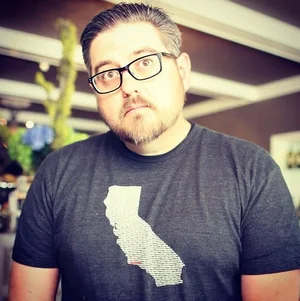
Photograph reused from the original Saarloos + Sons episode post.